


📰 Alice Cooper Holograph – Article: Feb. 1973
- Alice Cooper Group
- Mar 3, 1973
- 2 min read
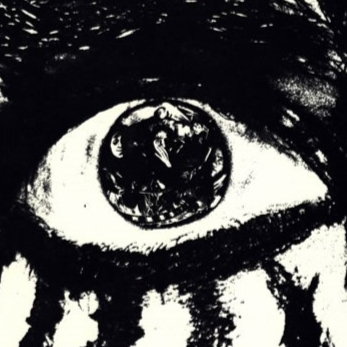
A surreal collaboration between Alice Cooper and Salvador Dalí, captured in a rare holographic portrait created in New York on February 3, 1973.
A groundbreaking fusion of rock theatrics and avant‑garde art: Dalí’s holographic portrait of Alice Cooper stands as one of the most unusual intersections of glam rock and surrealism.
📰 Key Highlights
• Created February 3, 1973
• Collaboration between Alice Cooper and Salvador Dalí
• One of the earliest high‑profile uses of holography in pop culture
• Produced during Cooper’s Billion Dollar Babies era
• Blends surrealist visual language with rock iconography
• Considered a landmark in cross‑disciplinary art and music
📰 Overview
In early 1973, Alice Cooper was at the height of his shock‑rock fame, preparing to release Billion Dollar Babies. At the same time, Salvador Dalí — the world’s most famous surrealist — was exploring new technologies, including holography. Their meeting resulted in one of the most unusual and culturally significant portraits of the decade: a holographic image of Cooper, created on February 3, 1973.
📰 Source Details
Publication / Venue: Melody Maker (contextual reference)
Date: February 3, 1973
Issue / Format: Holographic artwork / portrait
Provenance Notes: Based on Cooper–Dalí collaboration records and contemporary press references.
📰 The Story
The collaboration between Alice Cooper and Salvador Dalí was born from mutual admiration. Dalí, fascinated by Cooper’s theatricality, saw him as a modern embodiment of surrealist performance. Cooper, in turn, was drawn to Dalí’s eccentricity and artistic daring.
On February 3, 1973, Dalí created a holographic portrait of Cooper — a pioneering use of the medium. The session involved Cooper posing with symbolic props, including a brain suspended on a stand and a crown‑like headpiece, elements that Dalí used to merge rock iconography with surrealist symbolism.
The resulting holograph was a multi‑layered, rainbow‑lit image that shifted as the viewer moved, giving Cooper an otherworldly presence. The lighting — red to blue spectrum — enhanced the dreamlike quality, echoing Dalí’s fascination with perception, illusion, and the boundaries of reality.
This artwork became part of Dalí’s Holos! series and remains one of the most iconic intersections of rock music and fine art. It also reinforced Cooper’s reputation as a performer who blurred the lines between stagecraft, visual art, and cultural spectacle.
📰 Visual Archive

Alice Cooper holograph created by Salvador Dalí on February 3, 1973 — a landmark fusion of surrealism and rock theatrics.
📰 Related Material
Explore the tags below for connected posts and themes.
📰 Closing Notes
Dalí’s holograph of Alice Cooper stands as a testament to the artistic experimentation of the early ’70s — a moment when rock stars and avant‑garde artists collided to create something genuinely new.
📰 Sources
• Contemporary Cooper–Dalí collaboration accounts
• Art historical commentary on Dalí’s holography experiments
• Early‑’70s rock press references
📝 Copyright Notice
All artwork, photographs, and original text excerpts referenced in this entry remain the property of their respective copyright holders. This Chronicle entry is a transformative, non‑commercial archival summary created for historical documentation and educational reference. No ownership of the original material is claimed or implied.📰 Alice Cooper Holograph – Article: Feb. 1973

Comments