


🔘 Do Anything You Say – Single: Apr. 1966
- David Bowie
- Apr 1, 1966
- 3 min read
In the spring of 1966, David Bowie continued his early solo career with “Do Anything You Say” — a bright, upbeat mod-pop track with a strong beat-group energy and catchy chorus.
Released on April 1, 1966, the single appeared on Pye Records under catalogue number 7N 17079. Backed with “Good Morning Girl,” this 7-inch release featured Bowie performing with his backing band The Buzz and was produced by Tony Hatch.
Label: Pye Records
Catalogue Number: 7N 17079
Format: 7" Vinyl Single (Push-Out/Solid Centre)
Released: April 1, 1966 (UK)
🔘 Track List
UK 7" Single — Pye – 7N 17079 — 1966
A. Do Anything You Say
B. Good Morning Girl
Written by: David Bowie (both tracks)
Produced by: Tony Hatch
Recorded: 1966
🔘 Key Highlights
• Released April 1, 1966
• David Bowie’s third solo single on Pye Records
• Upbeat mod-pop track with strong beat-group energy
• Featured his backing band The Buzz
• Did not chart in the UK
🔘 The Story
“Do Anything You Say” was a lively, commercial pop song with a strong rhythmic drive and catchy vocal hooks, reflecting the mid-1960s beat and mod scene. Produced by Tony Hatch, the track showed Bowie’s continued effort to find a successful pop formula during his early career.
The B-side “Good Morning Girl” was a gentler, melodic number. Although the single did not achieve chart success, it remains an interesting snapshot of Bowie’s pre-fame period as he experimented with different styles before his breakthrough in 1969.
🔘 Variants (UK)
• 7", 45 RPM, Push-Out Centre — Pye – 7N 17079 — UK — 1966
• 7", 45 RPM, Solid Centre — Pye – 7N 17079 — UK — 1966
• Issued in standard Pye company sleeve
🔘 Chart Performance
UK — Official Singles Chart
Did not chart.
Total Weeks: 0
🔘 Context & Notes
• A-side: “Do Anything You Say” – upbeat, rhythmic mod-pop track with strong vocal hooks.
• B-side: “Good Morning Girl” – gentler, melodic pop number.
• Production: Tony Hatch – polished production typical of mid-1960s Pye pop singles.
• Sleeve notes: Standard Pye company sleeve.
• Historical placement: Released during Bowie’s early pop/beat phase, several years before his artistic leap into glam rock with *The Rise and Fall of Ziggy Stardust*.
• Reissues / compilation appearances: Features on David Bowie early career rarities compilations and box sets.
🔘 Related Material
• Can't Help Thinking About Me (1966)
• Rubber Band (1966)
• The Laughing Gnome (1967)
• Space Oddity (1969)
🔘 Discography
Can't Help Thinking About Me – Single: 1966
Do Anything You Say – Single: 1966
Rubber Band – Single: 1966
The Laughing Gnome – Single: 1967
🔘 Mini‑Timeline
✦ 1966 — Recorded with producer Tony Hatch and The Buzz
✦ April 1, 1966 — UK single released
✦ Did not enter UK Singles Chart
🔘 Glam Flashback
Long before the lightning bolt and Ziggy Stardust, a young David Bowie was already trying to conquer the charts with catchy mod-pop like “Do Anything You Say” in April 1966 — early steps on the long road to stardom.
🔘 Sources
Primary reference sources: Pye Records, Discogs, Official Charts Company, contemporary music-press documentation, archival references.
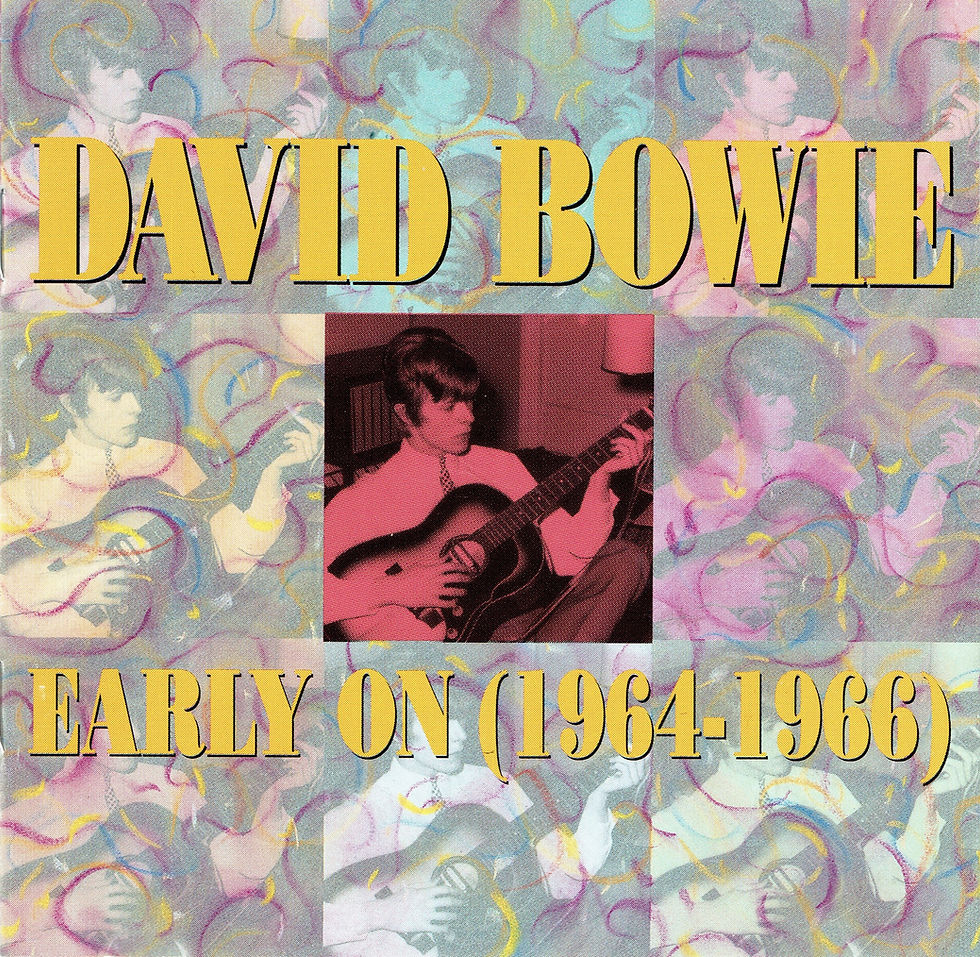
It was the first single solely credited to 'David Bowie', and was a smash hit worldwide, giving Bowie his first number one in 5 countries. A review published in Melody Maker by singer Dusty Springfield read: "I haven't got a clue who this is either, but I can see the effort that has gone into this record. It's nice. The sound is a bit messy." The song would later be included in the 1991 compilation Early On (1964–1966) and the 1999 reissue I Dig Everything: The 1966 Pye Singles. In a 2016 list ranking every Bowie single from worst to best, Ultimate Classic Rock placed "Do Anything You Say" at number 111 (out of 119).


Comments