


📰 Long Lost John‑Article : Aug. 1971
- Rod Stewart
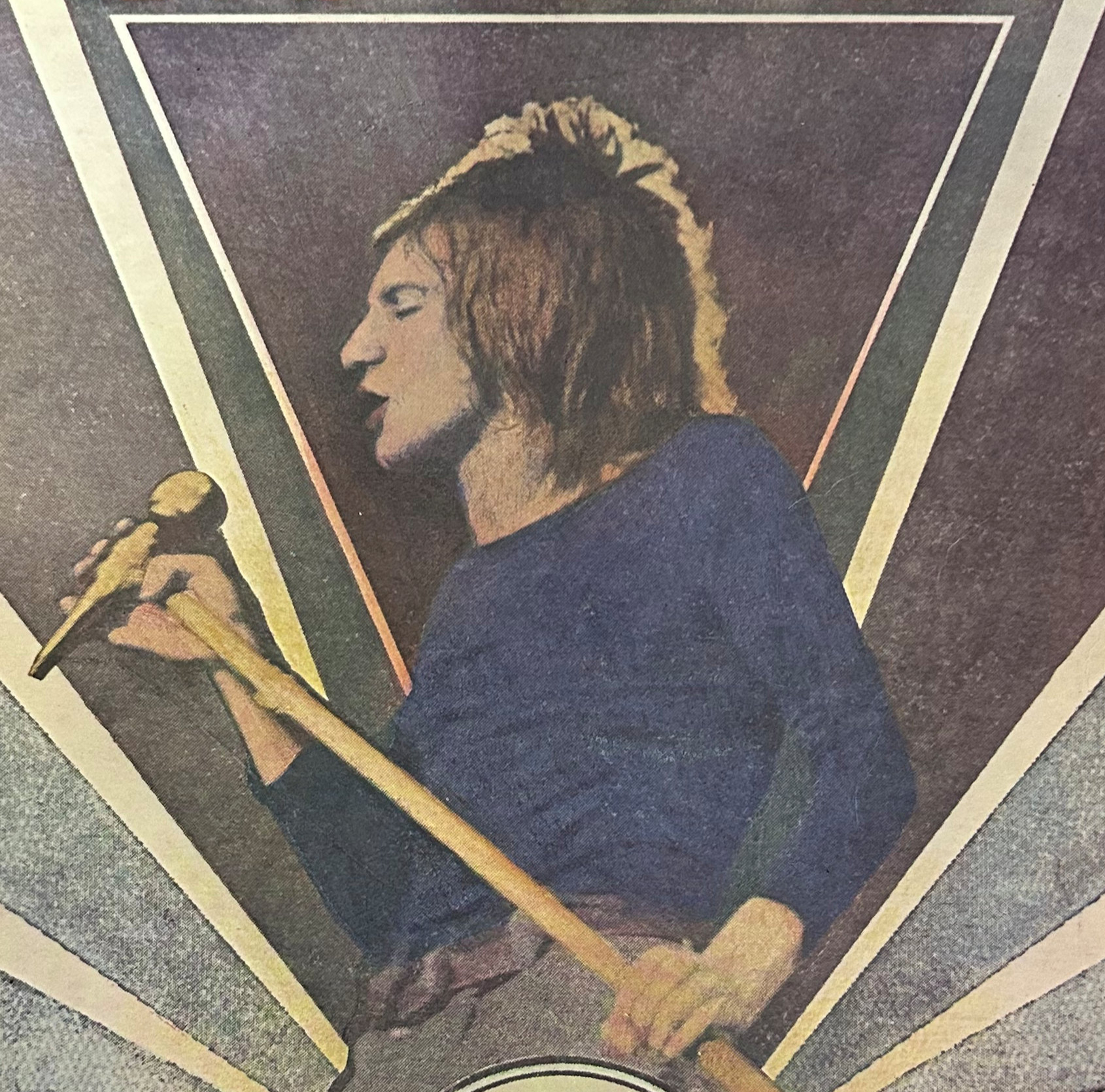
- Aug 28, 1971
- 3 min read
A warm, wry Disc profile catching Long John Baldry in a reflective, good‑humoured mood — looking back on the wild ride of the ’60s, the friends who became superstars, and the strange business of starting over again.
Disc and Music Echo
Date: August 28, 1971
Length: 6 min read (two‑page feature)
A moment of honesty, reinvention, and blues‑soaked resilience.
📰 Key Highlights
• Baldry reflects on fame, failure, and the meaning of “making it”
• Talks candidly about Rod Stewart, Elton John, and the old blues circuit
• Discusses his shift from “Long John” to a more grounded identity
• Shares plans for new recordings and a refreshed musical direction
• Disc frames him as a survivor of multiple eras of British R&B
📰 Overview
This *Disc* feature from August 28, 1971 finds John Baldry at a crossroads — no longer the towering R&B bandleader of the mid‑’60s, but not yet the chart‑returning artist he would soon become. The article blends biography, humour, and industry insight, presenting Baldry as a man who has lived several musical lives and is now ready to begin another. Disc positions him as a link between generations: the mentor who helped launch Rod Stewart and Elton John, and the veteran still carving out his own path.
📰 Source Details
Publication / Venue: Disc and Music Echo
Date: August 28, 1971
Format: Two‑page feature
Provenance Notes: Based on the original Disc profile exploring Baldry’s career, influences, and future plans.
📰 The Story
The article opens with Baldry’s dry, unforgettable line about fame — a reminder that he has seen the top, fallen from it, and learned not to take any of it too seriously. Disc traces his journey from the Alexis Korner days through Steampacket, the blues boom, and the shifting fashions that left many early R&B pioneers behind.
Baldry speaks openly about the musicians who passed through his bands: Rod Stewart, whom he praises with affectionate teasing; Elton John, whose early days he remembers vividly; and Julie Driscoll and Brian Auger, with whom he shared the London club circuit. The feature highlights how deeply integrated Baldry was in the roots of British blues and how much of that history he carries with him.
The second page turns toward the present. Baldry discusses his renewed focus on recording, his evolving vocal style, and his desire to make music that reflects who he is now rather than who he was in the mid‑’60s. There is a sense of calm confidence — a man who has weathered the industry’s storms and come out wiser, funnier, and still unmistakably himself.
📰 Visual Archive

• Large black‑and‑white portrait of Baldry in wide‑brimmed hat and jacket
• Pull‑quote: “After the first time, getting to the top doesn’t mean a thing…”
• Classic early‑’70s Disc layout with multi‑column text and inset sub‑headings
• Warm, intimate photography matching the article’s reflective tone
John Baldry in ’71 — seasoned, soulful, and ready for the next chapter.
📰 Check out the tags at the bottom of the post.
📰 Closing Notes
This Disc feature stands as one of the most revealing portraits of Baldry’s early‑’70s reinvention — a reminder that behind every superstar is someone who helped light the way, and behind every survivor is a story worth hearing.
📝 Copyright Notice
All magazine scans, photographs, and original text excerpts referenced in this entry remain the property of their respective copyright holders. This Chronicle entry is a transformative, non‑commercial archival summary created for historical documentation and educational reference. No ownership of the original material is claimed or implied.


Comments