


📰 David Essex: The Boy Behind the Stardust – 1 Page: Mar. 1975
- David Essex
- Mar 1, 1975
- 3 min read
Writer: 16 Magazine Staff
Date: March 1975
Length: ~4 min read
A warm, star‑struck profile of David Essex at the height of his mid‑’70s transatlantic fame, capturing his East End beginnings, his rise through theatre and film, and the charm that made him a teen‑magnet in both the UK and the US.
From bell‑ringer to box‑office heart‑throb — the making of a star.
David Essex’s story reads like a pop‑fairytale: a working‑class kid from London’s East End who traded football dreams for a drum kit, then leapt from waltz halls to West End stages before conquering American screens. By 1975, he was no longer just a rising star — he was a phenomenon.
📰 Key Highlights
• Early life in London’s East End
• First musical job: bell‑ringer for an iron‑monger
• Breakthrough role in Godspell
• Film success with That’ll Be The Day and Stardust
• New Columbia Records single: “Gonna Make You A Star”
📰 Overview
The March 1975 issue of 16 Magazine spotlights David Essex at a pivotal moment in his career. Already a household name in Britain, Essex was crossing over into American teen culture thanks to his film roles and charismatic musical persona. The article positions him as both a relatable East End lad and a glamorous rising idol, blending biography with promotional energy.
This profile arrives just after the success of Stardust and at the moment Columbia Records was pushing Essex to a broader U.S. audience. 16 Magazine, known for shaping American teen fandom, frames him as a multi‑talented performer with a grounded past and a star‑bound future.
📰 Source Details
Publication / Venue: 16 Magazine
Date: March 1975
Format: Teen‑magazine artist profile
Provenance Notes: Verified via original 1975 print scan; promotional tie‑ins with Columbia Pictures and Columbia Records noted in the text.
📰 The Story
The article opens by revealing that David Essex was born David Cook — a name he changed to avoid confusion with another English entertainer. Raised in London’s East End, Essex’s first job was far from glamorous: ringing bells for an iron‑monger. The piece emphasizes his academic success and athletic ability, painting him as a well‑rounded, grounded young man.
His musical awakening came at age thirteen, when he saw Georgie Fame’s band perform. Inspired, he took up drumming and soon answered a newspaper ad that landed him in a waltz orchestra. From there, he joined the Everons, a rock group that gave him his first taste of the stage. When the band dissolved, journalist‑manager Derek Bowman encouraged Essex to pursue acting and a solo career.
His breakthrough came with the starring role in Godspell in London’s West End, which led to film roles — most notably That’ll Be The Day alongside Ringo Starr. The film’s success in the U.S. helped Essex gain a foothold in American pop culture, which 16 Magazine capitalizes on here. The article closes by promoting his new Columbia Records single “Gonna Make You A Star” and his self‑titled LP.
📰 Visual Archive

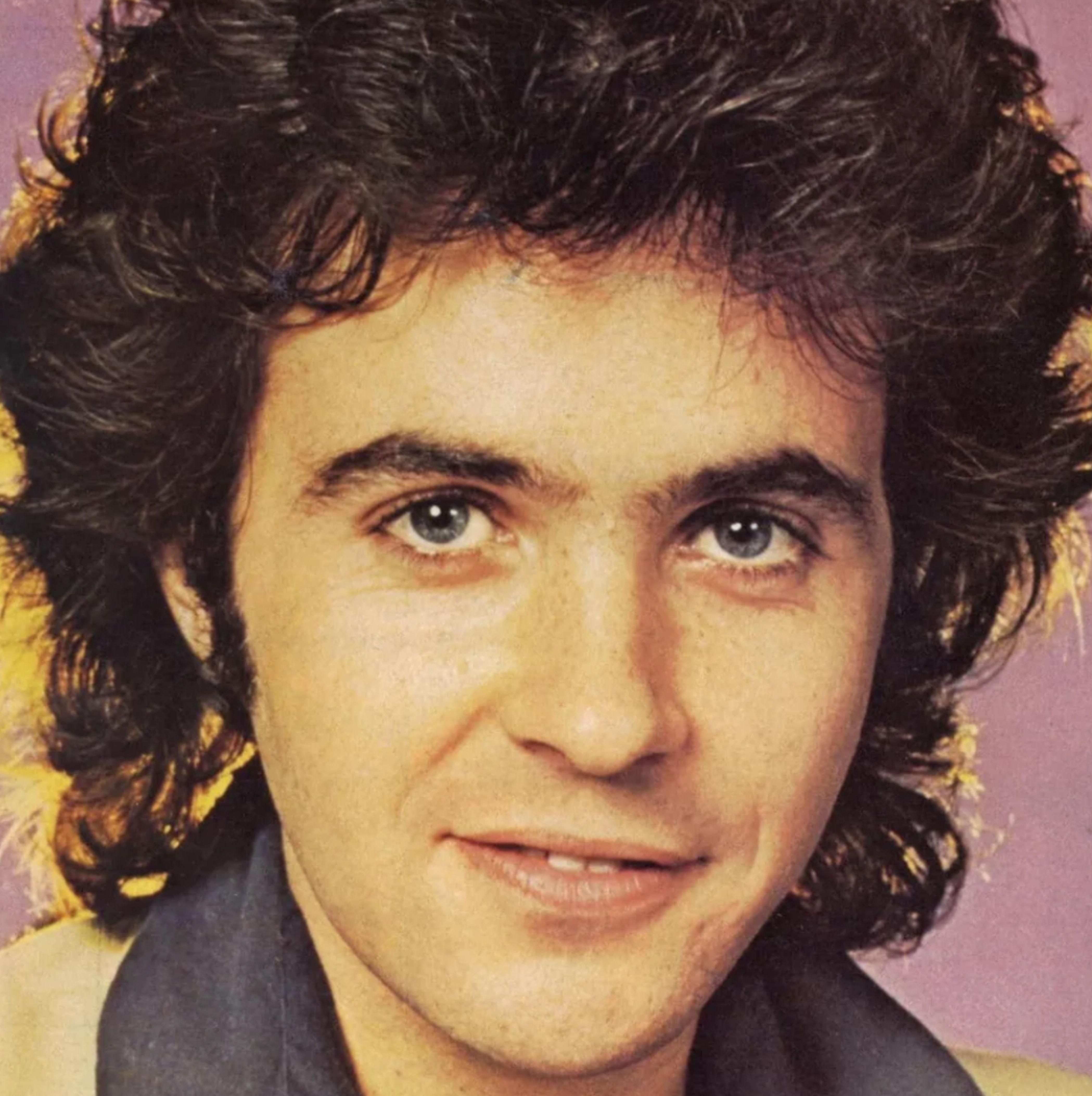
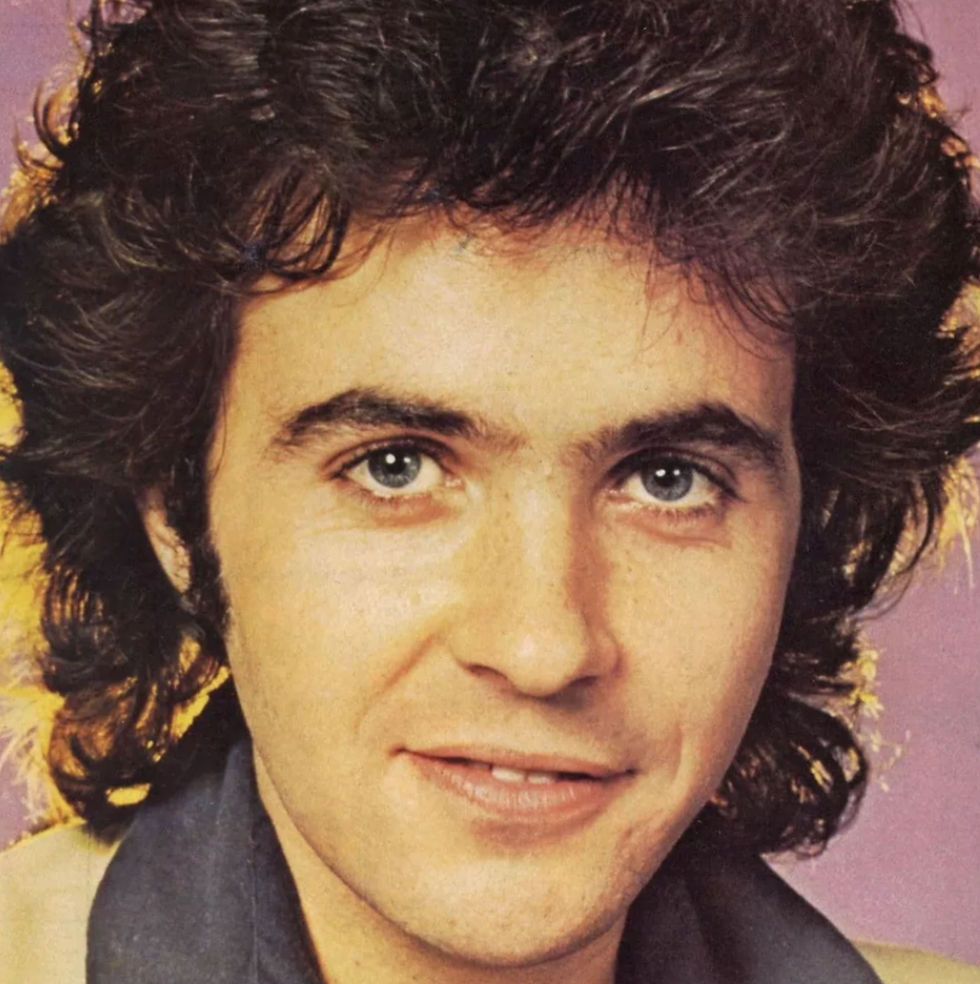
David Essex in 16 Magazine, March 1975 — rising star of stage, screen, and stereo.
📰 Related Material
• That’ll Be The Day (Film, 1973)
• Stardust (Film, 1974)
• “Gonna Make You A Star” (Single, 1974)
📰 Closing Notes
This 1975 profile captures David Essex at the moment his career was expanding beyond Britain, offering American readers a glimpse of the charming, multi‑talented performer behind the hits. It stands as a snapshot of teen‑magazine culture and the transatlantic rise of a uniquely charismatic star.
📰 Sources
• 16 Magazine, March 1975 (primary source)
• Columbia Pictures promotional materials (contextual)
• Columbia Records discography (contextual)
📝 Copyright Notice
All magazine scans, photographs, and original text excerpts referenced in this entry remain the property of their respective copyright holders. This Chronicle entry is a transformative, non‑commercial archival summary created for historical documentation and educational reference. No ownership of the original material is claimed or implied.

Comments