


💿 ELO 2 – Album 2CD: 2003
- Wizzard
- Mar 2, 2003
- 5 min read
(Original vinyl release: 2 March 1973)
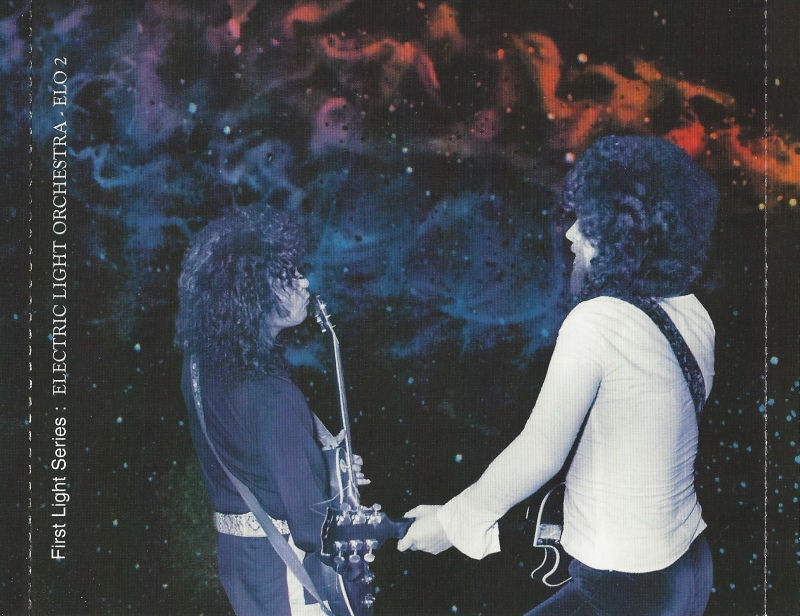
ELO 2 is the second studio album by Electric Light Orchestra, released in 1973. In the United States, it appeared as Electric Light Orchestra II. It was the band’s final album on the Harvest label, the last UK release to use the definite article “The” in their name, and the first to introduce the abbreviated name “ELO.”

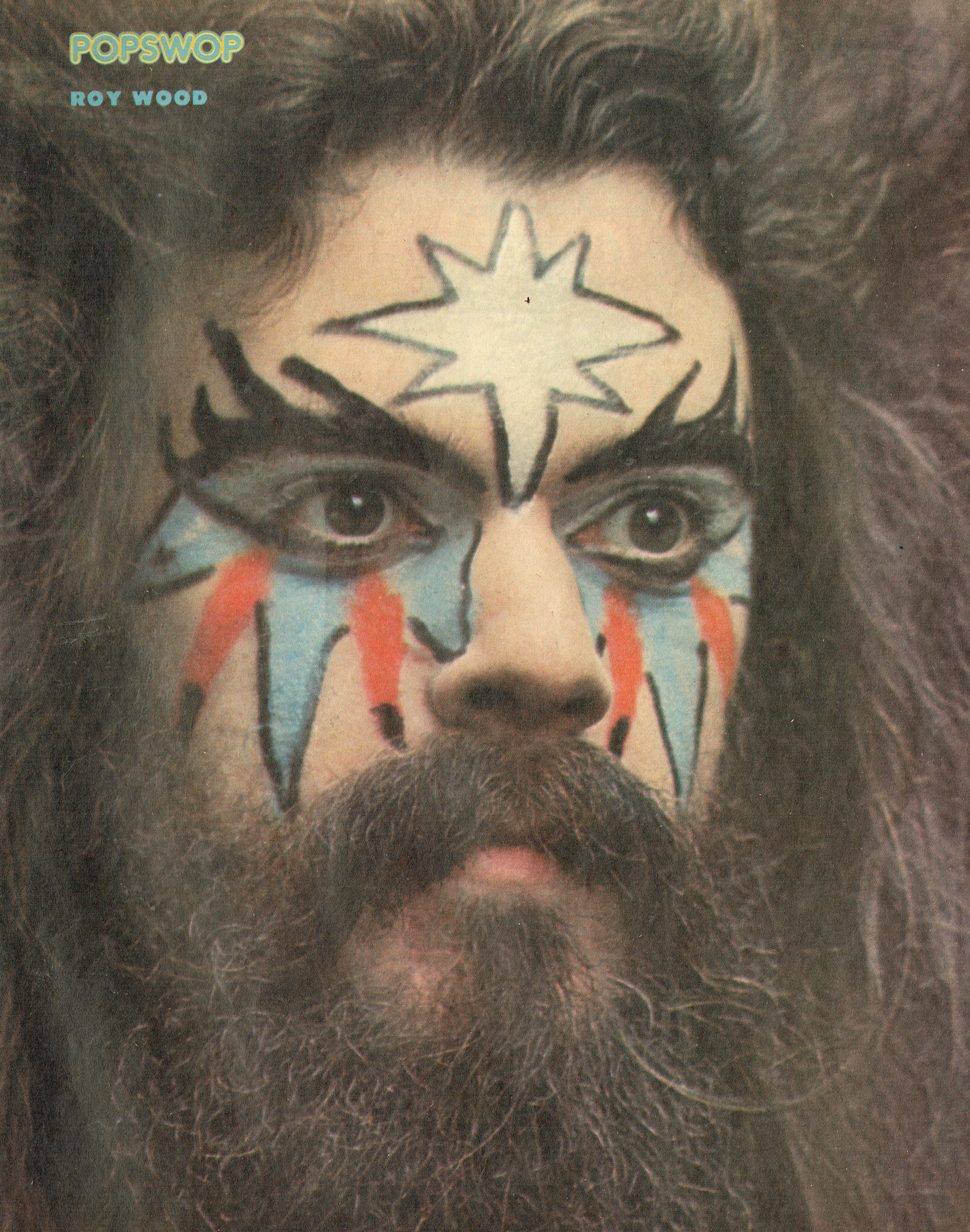
The album was originally planned under the title The Lost Planet, a concept later abandoned. During the early recording sessions, Roy Wood left the band in June 1972 to form Wizzard, taking Bill Hunt and touring cellist Hugh McDowell with him. Although uncredited at the time, Wood performed on two tracks, contributing cello and bass to “In Old England Town” and “From the Sun to the World.” Colin Walker replaced Wood on cello, Wilfred Gibson played violin, and Richard Tandy made his ELO studio debut on keyboards. Bassist and vocalist Mike de Albuquerque also made his studio debut. All five pieces on the album are longer than standard rock songs and feature multi‑layered orchestral instrumentation, creating a dense, complex sound.
💿 Personnel
• Roy Wood – bass guitar, cello
(1‑1, 1‑4)
• Michael De Albuquerque – bass, harmony vocals
(1‑1 to 1‑5, 2‑1 to 2‑10)
• Colin Walker – cello
(1‑1 to 1‑5, 2‑1 to 2‑10)
• Mike Edwards – cello
(1‑1 to 1‑5, 2‑1 to 2‑10)
• Nigel Reeve – project coordinator (EMI)
• Rob Owen – project coordinator (EMI)
• Jeff Lynne – design concept
(1‑1 to 1‑5), lead vocals, guitar, Moog, harmonium
(1‑1 to 1‑5), lead vocals, guitar, synthesizer [Moog], harmonium
(2‑1 to 2‑10), producer (1‑1 to 1‑5), producer/director (2‑1 to 2‑10)
• Richard Tandy – design concept
(1‑1 to 1‑5), synthesizer [Moog], piano, guitar, harmonium, harmony vocals
(1‑1 to 1‑5, 2‑1 to 2‑10)
• Hipgnosis – original cover design
(1‑1 to 1‑5)
• Bev Bevan – drums, percussion
(1‑1 to 1‑5, 2‑1 to 2‑10)
• Bill Price – engineer
(2‑5 to 2‑7)
• Denny Bridges – engineer
(2‑1 to 2‑4, 2‑8 to 2‑10), original album engineer (1‑1 to 1‑5)
• John Middleton – engineer
(2‑1 to 2‑4, 2‑8 to 2‑10), original album engineer (1‑1 to 1‑5)
• Marc Bolan – twin lead guitar
(1‑10 to 1‑12)
• Carl Wayne – lead vocals, harmony vocals
(2‑5 to 2‑7)
• Peter Mew – digital remastering
• Cary Anning – tape research
• Ian Pickavance – tape research
• Rob Caiger – research, compilation, reissue producer
• Bev Bevan – sleeve notes
(2‑1 to 2‑10)
• Jeff Lynne – sleeve notes
• Rob Caiger – sleeve notes
• Chris Bolster – tape transfers
• Alex Scannell – tape transfers
(1‑1 to 1‑13)
• Paul Hicks – tape transfers
• Rob Caiger – tape transfers
• Wilf Gibson – violin
(1‑1 to 1‑5, 2‑1 to 2‑10)
💿 Key Highlights
• 2‑CD limited edition remastered reissue
• Includes The Lost Planet — rare and previously unreleased material
• Features Marc Bolan on twin lead guitar (three tracks)
• Includes BBC sessions, early takes, and single versions
💿 The Story
The recording of ELO 2 took place during a period of transition within the band. Roy Wood’s departure reshaped the group’s musical direction, leaving Jeff Lynne to guide the project’s creative core. The album’s extended compositions reflect this shift, blending rock structures with orchestral arrangements in a more ambitious and expansive form.
Critical reception was mixed. AllMusic noted that the album “holds up well” and helped the band begin building an audience in America. The Daily Vault praised the album’s ability to encourage rock listeners to reconsider classical music through ELO’s hybrid approach. Other reviews ranged from moderate to positive, with publications such as Classic Rock, The Rolling Stone Album Guide, and Encyclopedia of Popular Music offering varied ratings.
Despite the divided critical response, ELO 2 established several foundations for the band’s future: the adoption of the “ELO” name, the introduction of Richard Tandy’s studio presence, and the development of the long‑form orchestral rock style that would define their early identity.
Label: Harvest
Format: 2 × CD, Album, Limited Edition, Reissue, Remastered
Released: 2003

💿 Track List – Disc 1
1. In Old England Town (Boogie No. 2)
— Roy Wood (bass, cello)
— 6:51
2. Momma...
— 6:58
3. Roll Over Beethoven
— Chuck Berry
— 7:01
4. From The Sun To The World (Boogie No. 1)
— Roy Wood (bass, cello)
— 8:17
5. Kuiama
— 11:13
6. Showdown
— 4:09
7. In Old England Town (Instrumental)
— 2:42
8. Baby I Apologise
— 3:41
9. “Auntie” (Ma‑Ma‑Ma Belle Take 1)
— 1:19
10. “Auntie” (Ma‑Ma‑Ma Belle Take 2)
— Marc Bolan (twin lead guitar)
— 4:03
11. “Mambo” (Dreaming Of 4000 Take 1)
— Marc Bolan (twin lead guitar)
— 5:00
12. Everyone’s Born To Die
— Marc Bolan (twin lead guitar)
— 4:37
13. Roll Over Beethoven (Take 1)
— 8:15
[IMAGES HERE]
💿 Track List – Disc 2 (The Lost Planet)
1. Brian Matthew Introduces ELO
— 0:21
2. From The Sun To The World (Boogie No. 1) (BBC Session)
— 7:23
3. Momma (BBC Session)
— 6:56
4. Roll Over Beethoven (Single Version)
— Chuck Berry
— 4:32
5. Showdown (Take 1)
— 4:14
6. Your World (Take 2)
— Carl Wayne (lead vocals)
— 4:51
7. Get A Hold Of Myself (Take 2)
— Carl Wayne (lead vocals)
— 4:38
8. Mama (Take 1)
— Carl Wayne (lead vocals)
— 4:55
9. Wilf’s Solo (Instrumental)
— Wilf Gibson (composer)
— 3:04
10. Roll Over Beethoven (BBC Session)
— Chuck Berry
— 7:14
💿 Variants
• Harvest – 7423 5 43329 2 0 / 543 3292 — CD, Album, Reissue, Remastered (Europe, 2003)
• Harvest – TOCP‑67162.63 — Japan 2CD Limited Edition, Reissue, Remastered (2003)
💿 Context & Notes
• Original catalogue no: EMI Harvest SHVL 806
• Original release date: 2 March 1973
• Track 1‑6 first released 14 September 1973
• Track 1‑7 B‑side of “Showdown”
• Track 1‑8 session outtake (1 June 1973)
• Tracks 1‑9 to 1‑13 recorded 1–3 April 1973 (“Elizabeth Lister Observatory Sessions”)
• Tracks 2‑2, 2‑3 recorded 1 November 1972
• Track 2‑4 UK edited single version
• Track 2‑5 previously unreleased session master
• Tracks 2‑6 to 2‑8 recorded February 1973 (“ELO Meet The Move!”)
💿 Glam Flashback
A symphonic storm of wires, wood, and wild electricity — ELO’s early universe expanding at light speed.
💿 Sources
Discogs, MusicBrainz, Label Archives, Official Charts Company, Billboard, Wikipedia, Artist Interviews.
💿 Copyright Notice
All magazine scans, photographs, and original text excerpts referenced in this entry remain the property of their respective copyright holders. This Chronicle entry is a transformative, non‑commercial archival summary created for historical documentation and educational reference. No ownership of the original material is claimed or implied.


Comments