


📰 Alice, Has He Gone Mad? - Disc Feb. 1974
- Alice Cooper Group
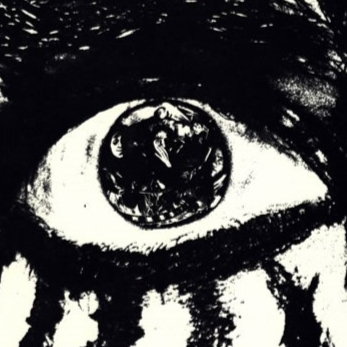
- Feb 16, 1974
- 3 min read
Updated: Feb 16
A cover splash, a one‑page feature, and a full‑page advert celebrating Alice Cooper Group’s Poll Awards triumph and theatrical chaos in early 1974.
📰 Excerpt
A three‑part Disc presentation: Alice Cooper on the cover, a chaotic and humorous feature inside, and a full‑page Warner Bros. advert crowning the group as “Top International Group.”
📰 Key Highlights
• Cover feature: Alice Cooper front‑and‑centre on the Disc Poll Awards Special • One‑page article: “Alice, Has He Gone Mad?” by Caroline Boucher • One‑page advert: Warner Bros. promo celebrating the group’s Poll Awards win • Published February 16, 1974 • Captures Alice Cooper Group at their theatrical, chaotic peak • Blends humour, illness, exhaustion, and rock‑star mythology
📰 Overview
Disc devoted significant space to Alice Cooper in its 1974 Poll Awards issue — a cover splash, a full feature, and a celebratory advert. Together, they form a portrait of the Alice Cooper Group at a moment of global success, controversy, and physical strain, framed through the band’s trademark theatricality.
📰 Source Details
Publication: Disc Date: February 16, 1974 Issue: Cover + one‑page feature + one‑page advert Provenance Notes: Feature written by Caroline Boucher; advert placed by Warner Bros.
📰 The Story
The cover of the Poll Awards Special places Alice Cooper front and centre — leather jacket, glitter trousers, and the headline tease: “Alice — Has he gone mad?” It’s classic Disc: sensational, playful, and perfectly attuned to the theatrical persona that made Alice Cooper one of the most recognisable figures of the early ’70s.
Inside, the one‑page feature by Caroline Boucher leans into the chaos. The article opens with Alice declaring: “My nose is bleeding and I’ve got the runs… I must be mad.” It’s a line that captures the physical toll of the band’s relentless touring and the absurdity of their public image. The piece follows Alice through illness, travel mishaps, and a surreal trip to Mexico, all delivered with the dry humour that defined Boucher’s writing.
The article situates Alice Cooper Group at a moment of transition: still riding the success of Billion Dollar Babies, promoting Muscle of Love, and navigating the pressures of fame, exhaustion, and expectation. The tone is affectionate but unflinching — a portrait of a band whose theatrical madness sometimes bled into real life.
Opposite the feature sits the full‑page Warner Bros. advert, declaring the Alice Cooper Group the “Top International Group” and showcasing five key albums: • Muscle of Love • School Days • Billion Dollar Babies • School’s Out • Love It to Death
The advert’s bold typography and album‑grid layout reinforce the group’s commercial dominance. It functions as both celebration and catalogue — a reminder of the band’s rapid ascent and the breadth of their early‑’70s output.
Taken together, the cover, article, and advert form a triptych: Alice Cooper as icon, Alice Cooper as human, and Alice Cooper as industry powerhouse. It’s a perfect snapshot of the group’s 1974 identity — theatrical, chaotic, humorous, and undeniably successful.
📰 Visual Archive


Alice Cooper Group cover, feature, and advert, Disc, February 16, 1974.
📰 Related Material
Explore the tags below for connected posts and themes.
📰 Closing Notes
This three‑part presentation captures the Alice Cooper Group at their most iconic — theatrical, exhausted, triumphant, and fully embedded in the cultural fabric of 1974.
📰 Sources
• Disc magazine, February 16, 1974
• Warner Bros. Records promotional materials
• Contemporary Alice Cooper Group press coverage
📝 Copyright Notice
All magazine scans, photographs, and original text excerpts referenced in this entry remain the property of their respective copyright holders. This Chronicle entry is a transformative, non‑commercial archival summary created for historical documentation and educational reference. No ownership of the original material is claimed or implied.


Comments