


📰 Dirty Little Ditties - Article: Feb. 1973
- Sparks
- Feb 1, 1973
- 3 min read
Sparks — “Dirty Little Ditties” (Circus Magazine, February 1973)
A vivid early‑’70s profile capturing Sparks’ theatrical chaos at Max’s Kansas City.
Circus Magazine’s February 1973 feature paints Sparks as a strange, brilliant, theatrical anomaly—part Betty Boop, part hard‑rock cabaret—documenting their explosive Max’s Kansas City performance and the eccentric personalities behind the band.
📰 Key Highlights
• One‑page Circus Magazine feature by Janis Schacht
• Focus on Sparks’ Max’s Kansas City performance
• Russell Mael’s theatrical stage persona described in detail
• Ron Mael and the Mankey brothers profiled
• Early critical framing of Sparks as psychedelic, perverse, and cinematic
📰 Overview
In early 1973, Sparks were still a cult Los Angeles oddity trying to break through the New York underground. Circus Magazine’s February issue captured the band at a formative moment, performing at Max’s Kansas City with a mixture of glam‑rock energy, cartoonish theatrics, and razor‑sharp musicianship. The article, titled “Betty Boop Sings Dirty Little Ditties,” became one of the earliest national features to articulate Sparks’ peculiar blend of innocence, perversity, and avant‑pop intelligence.
📰 Source Details
Publication / Venue: Circus Magazine
Date: February 1973
Issue / Format: One‑page feature
Provenance Notes: Sourced from original Circus print; transcription verified from surviving scans.
📰 The Story
Circus Magazine’s February 1973 profile of Sparks opens with a scene at Max’s Kansas City, where the band squeeze onto the tiny stage, their equipment nearly overwhelming the space. Russell Mael, described as “Betty Boop sneaking into the night,” paces in tiny, animated steps before unleashing the piercing opening cry of “This Town Ain’t Big Enough for Both of Us.” His performance is framed as a surreal fusion of Disney innocence, Mick Jagger swagger, and Joe Cocker physicality.
The article emphasises Russell’s theatricality: high‑kneed movements, mincing steps, exaggerated poses, and a stage presence that feels more like a cartoon character than a rock frontman. His “physical innocence,” the writer notes, is constantly undercut by sharp wit and comic timing—highlighted by an anecdote in which his microphone collapses mid‑song, prompting him to crawl across the stage to fix it before theatrically rejecting it with a silent, exasperated gesture.
Ron Mael is portrayed as the band’s cerebral anchor, the songwriter whose deadpan presence contrasts sharply with Russell’s kinetic energy. The Mankey brothers—Earle on guitar and Jim on bass—are described as eccentric intellectuals, one a science teacher with a degree in electrical engineering, the other a French‑horn‑playing, Belmondo‑styled figure in a blue suit and white tie. Drummer Harley Feinstein is depicted as the most “real,” a cigarette‑dangling punk whose cool detachment grounds the band’s theatrical swirl.
Musically, the article situates Sparks within the lineage of early psychedelic pop—Tomorrow, early Pink Floyd, and the whimsical perversity of late‑’60s British art‑rock. Their songs are described as “little movie themes,” filled with melodic hooks, minor‑key twists, and lyrical narratives that blend innocence with deviance. Circus frames Sparks as a band unafraid to be strange, melodic, theatrical, or perverse—an identity that would soon define their cult legacy.
This feature stands as one of the earliest national attempts to articulate Sparks’ unique aesthetic, capturing them just before their breakthrough in the UK with Kimono My House.
📰 Visual Archive

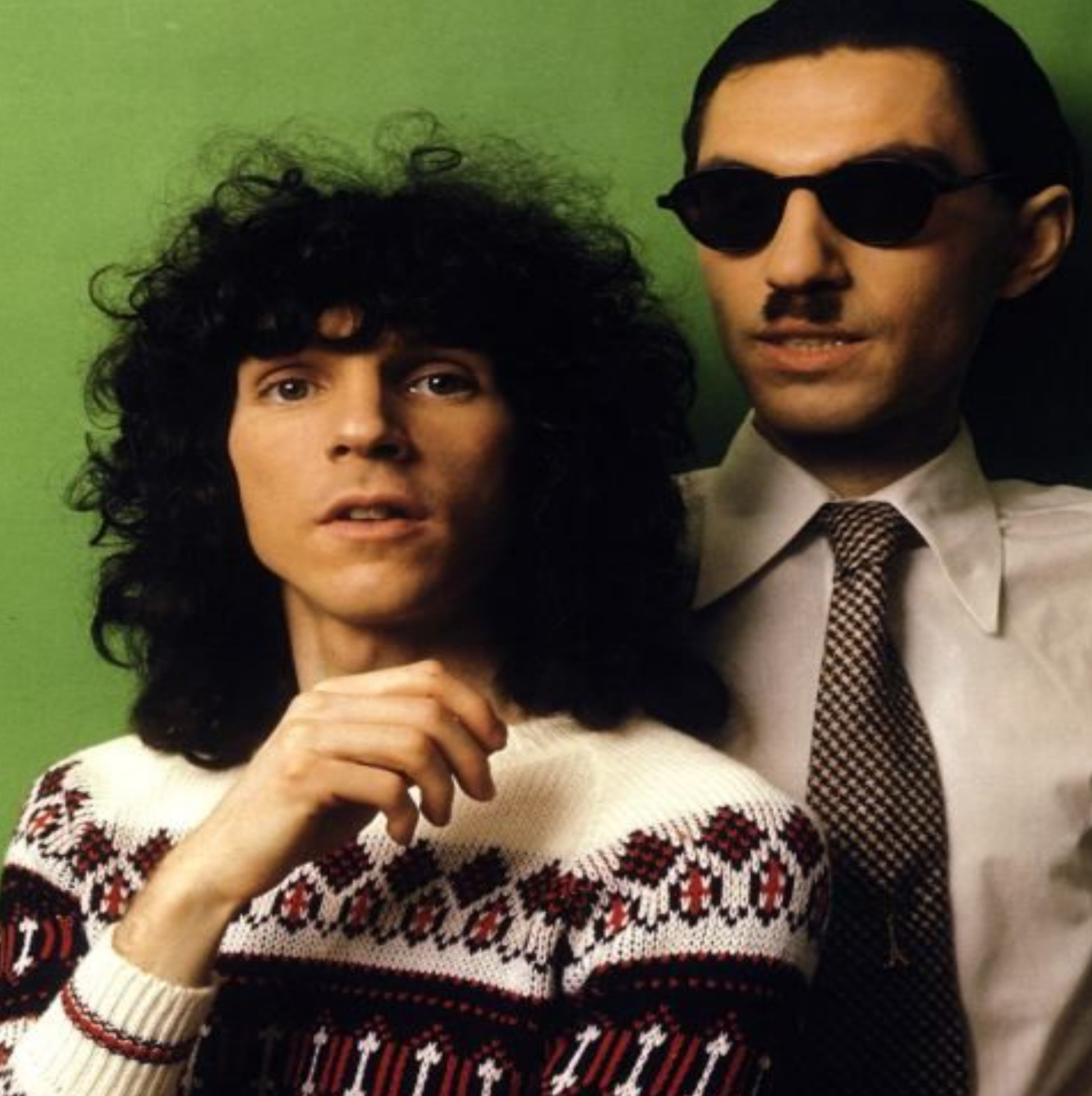
Circus Magazine’s 1973 profile of Sparks, capturing their early theatrical identity at Max’s Kansas City.
Circus Magazine – U.S. Edition – 1973
• One‑page feature
• Written by Janis Schacht
• Early coverage of Sparks’ pre‑UK‑breakthrough era
📰 Related Material
Explore the tags below for connected posts and themes.
📰 Closing Notes
This Circus feature preserves Sparks at their most embryonic and eccentric—a band still forming its identity, yet already unmistakably singular. It remains a key document of their early American period.
📰 Sources
• Circus Magazine, February 1973 (original article)
• Contemporary performance context from Max’s Kansas City archives
• Early Sparks lineup documentation
📝 Copyright Notice
All magazine scans, photographs, and original text excerpts referenced in this entry remain the property of their respective copyright holders. This Chronicle entry is a transformative, non‑commercial archival summary created for historical documentation and educational reference. No ownership of the original material is claimed or implied.
Sparks’ "Dirty Little Ditties", a one-page article in Circus Magazine, February 1, 1973.


Comments