


Alice Cooper (Feb. 1979) Zeg Maar Weer Vincent – News Feature Chronicle
- Alice Cooper(solo)
- Feb 24, 1979
- 4 min read
Updated: 2 days ago


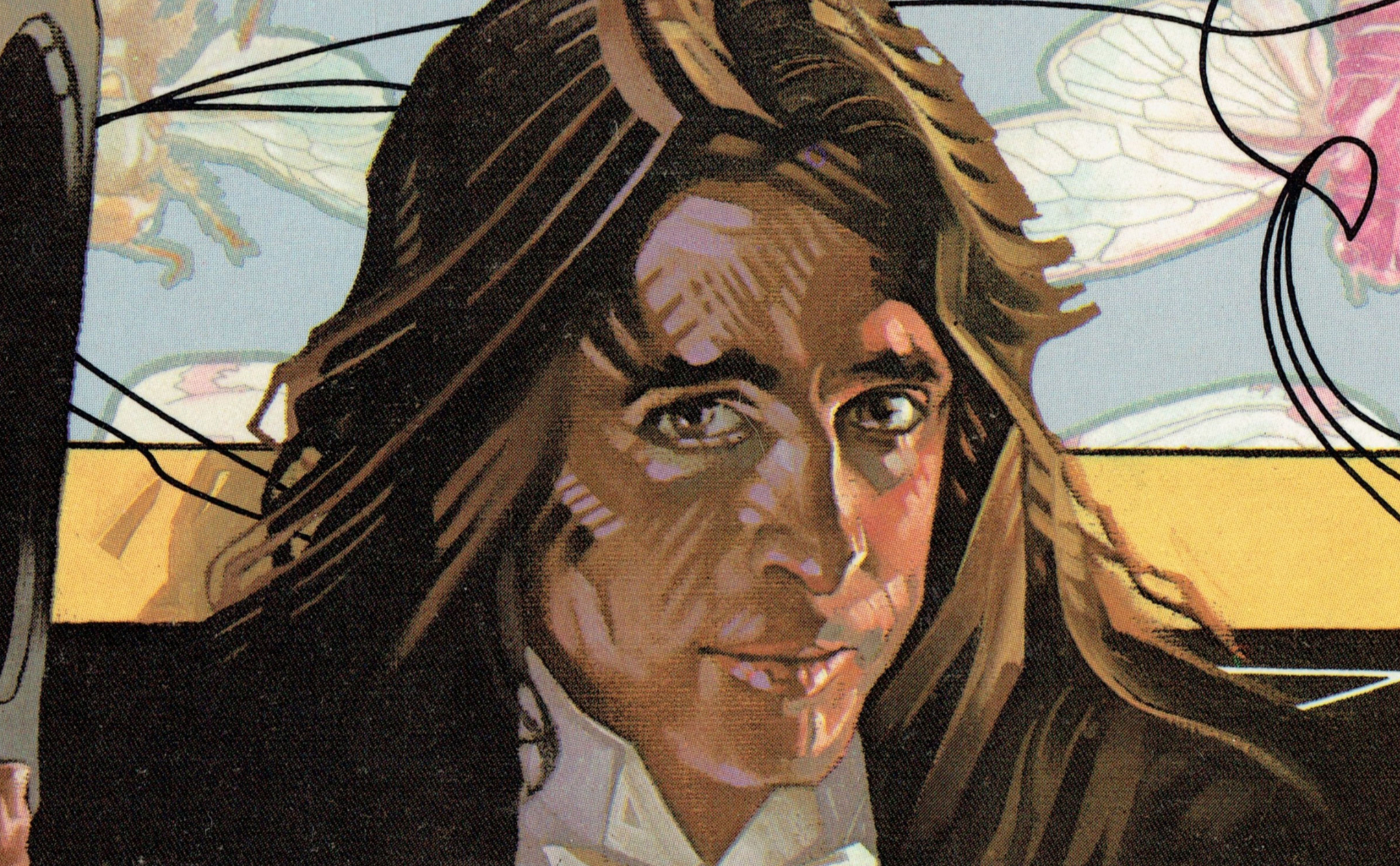
A candid Dutch profile from Veronica Magazine capturing Alice Cooper at a moment of collapse, recovery and personal rebirth. The feature presents Cooper not as the notorious shock‑rock villain of the early 1970s, but as Vincent Furnier — a man emerging from the wreckage of addiction and reclaiming his identity after years of being consumed by the character he created. Written for a mainstream Dutch audience, the article frames his rehabilitation as both a deeply human struggle and a cultural turning point, tying his recovery directly to the themes explored on the 1978 album From the Inside.
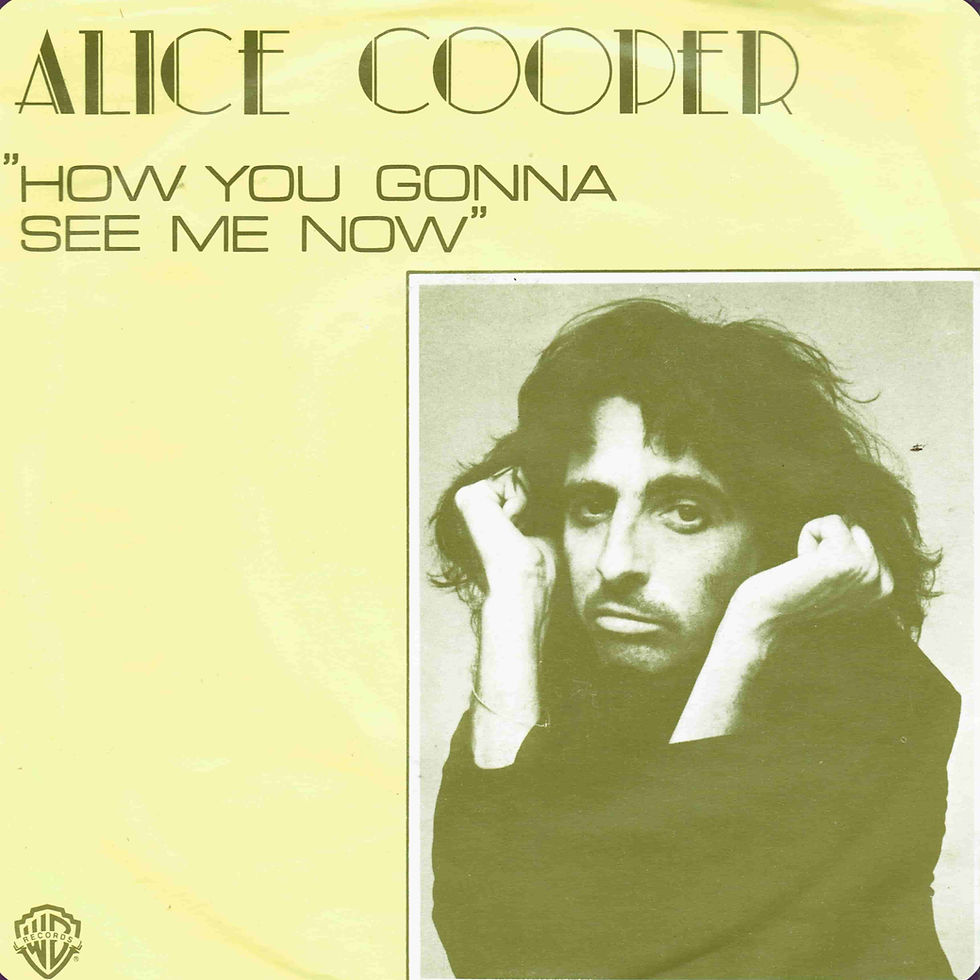
The piece contrasts Cooper’s past excesses — the chickens, the guillotines, the moral panic — with the vulnerability of a man confronting the consequences of fame and alcoholism. It highlights his six‑month stay in a rehabilitation clinic, his fear that sobriety might cost him his marriage, and his rediscovery of himself as Vincent. The feature also explores the emotional core of the single How You Gonna See Me Now, written as a letter to his wife, and notes her appearance in the promotional video as a gesture of honesty and support.
Publication: Veronica Magazine (Netherlands)
Date: February 24, 1979
Length: Two‑page feature + cover insert

Veronica Magazine Cover Insert & Two-Page Article (February 24, 1979)
Translation
Millions of parents were pleased to hear that the most terrifying beast in the pop business had collapsed. Alice Cooper was taken out of circulation a year and a half ago because of extreme alcohol abuse. But alas, weeds die hard. Alice the Terrible is back. And he doesn't drink anymore.
"From the inside" is the title of his new LP, with which he also shows that Alice Cooper is no longer the same. Hit-sensitive Dutch people have already taken note of his single hit | "How are you gonna see me now", in which song one of the aspects of his victory over alcohol is sung. Alice is recovering, his wife writes, but when she returns home she appears to be ready for the clinic. Alice: "Everything on 'From the inside' has to do with the withdrawal clinic. It is the only thing that I have been very busy with lately. I couldn't write about anything else. I deliberately let my own wife play in the promotional video on TV to emphasize the authentic character. That is one of the additional problems. I had met my wife on my own show. She was a kind of ball girl. I met her when I was drunk. At that time I was already on my way to total addiction. I can safely say that she has never seen me sober. We also got married drunk. Can you imagine how scared I was to go home?
I was terrified that she wouldn't love me anymore when I was sober. Maybe she would have married Alice Cooper and not me. Luckily, that turned out to be a good thing. She's still with me. Things are only getting better now."
Alice Cooper became a pop idol during the seventies. As the son of a minister, he had accumulated enough frustrations to lose himself in all sorts of foolishness. After years of fruitless toil with his orchestra in Los Angeles, they started painting their faces. They slaughtered chickens on stage, trampled baby dolls, and even dragged the electric chair onto the stage before the show. The elders thought it was corrupting, immoral and depraved, but the youth went wild. Cooper too, by the way, because he could no longer stop.
"At first I only became Alice Cooper when we got changed and went on stage. But we got crazier and crazier. The pressure and the tension of the
success were too big for me. When things suddenly started to go wrong, I drank myself to death. There was always a full bottle of whiskey near me. At the height of my addiction, I drank a crate of beer and at least two bottles of whiskey every day. We were crazy. Until there was only one solution left: six months in a clinic to detox. Now I don't drink a drop anymore. It's over. I feel like a new person. I'm a different person."
Victim
Many hundreds of miles away in America there was another victim of Bacchus. Bernie Taupin, who wrote the world songs for Elton John, was also not sober for a second a day and disappeared for treatment. When he stepped outside as fresh as a daisy, it was obvious that he would make a comeback together with Cooper. With Elton he was past his peak. They remained friends, but still wanted to go their own way.
They made an LP on which their battle against alcohol is melodiously expressed. Now Cooper is ready for a tour again. A few years ago they had to knock the bottle from his mouth and drag him onto the stage. There he stood, vomiting and staggering, acting vulgar.
Many situations
"I haven't lost that bizarreness. Anyone who comes to see my show will be in for a lot of surprises again. The show is going to cost a lot of money, because I want to have the entire clinic travel with me, so to speak. Many people, many situations. But I know for sure that it will come out again. We win."
"I'm not supposed to be running an anti-alcohol campaign. That's pointless. I'm not a preacher. Everyone already knows what happened to me. When I went into the clinic, there was even a TV crew ready to record everything. Strangely enough, there was no one there when I came out healthy and well."
Identity
Alice Cooper can now be himself during the day. Just call him Vincent, and he'll feel human again. The thirty-year-old pop star's original name is Vincent Furnier. "Alice Cooper is actually the name of the group I worked with. Because of the success, I took on that name, but only when I was working. At a certain point, we had gone so crazy that I didn't play Alice Cooper anymore, no, it was me. Then you're completely lost. Then your identity is pulverized. Now I'm Vincent again. If I want to, I can be Alice Cooper."
And all that idiocy in his show? Can
we still have bloody and scary
expect such scenes? "If I feel like it, I'll be happy to decapitate someone on stage. I think of my wife first. People like to see that. I take care of the plays, she takes care of my bread." Alice Cooper disappears, leaving us in complete confusion.

Comments