


📰 Give Ronson a Chance – 1 Page: Mar. 1974
- Mick Ronson
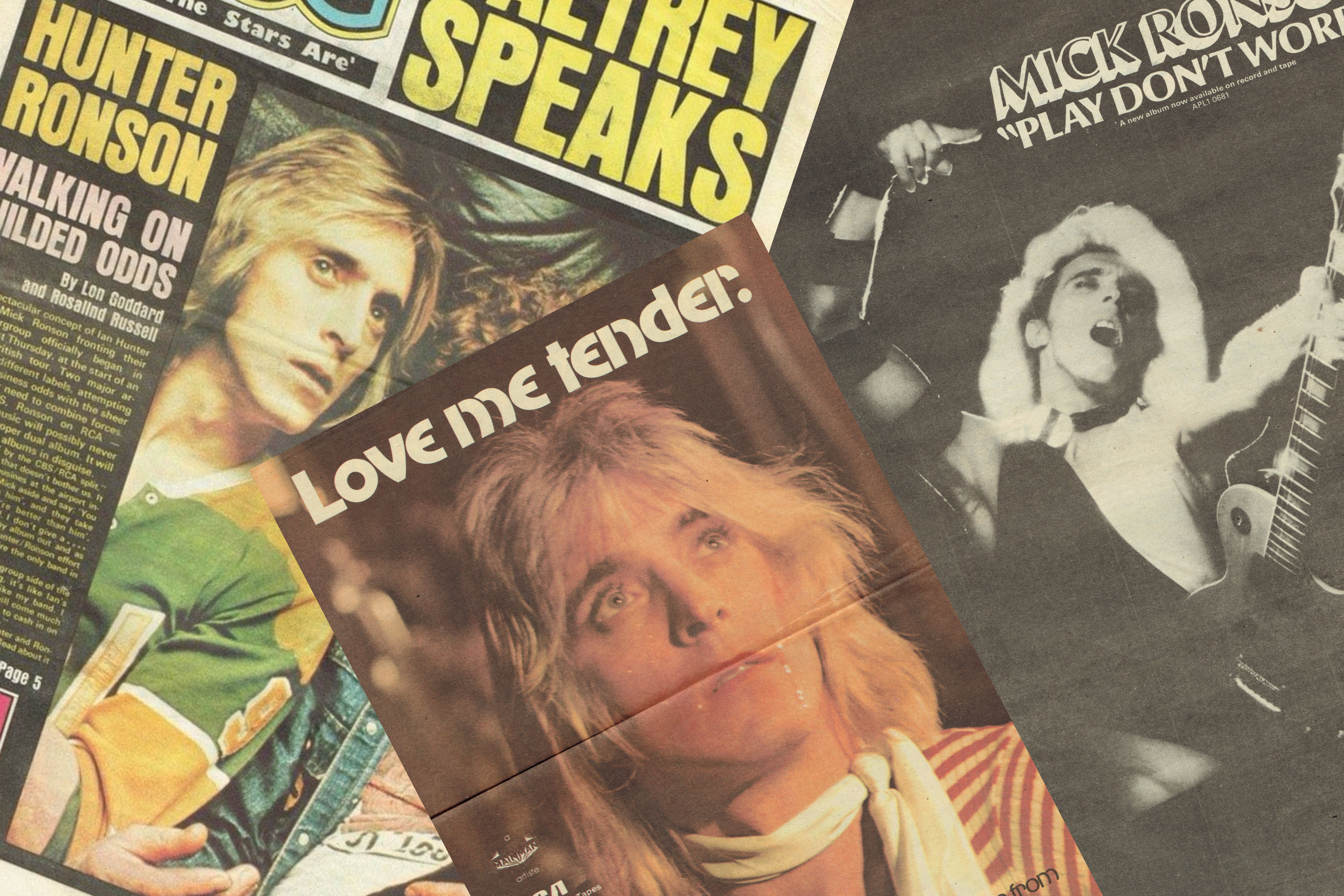
- Mar 16, 1974
- 3 min read
Writer: Melody Maker Mailbag Contributors
Date: March 16, 1974
Length: 4 min read
A pair of impassioned letters from Melody Maker’s Mailbag capture the public’s reaction to Mick Ronson’s debut solo concerts — a moment when fans and critics clashed over whether Ronson was ready to step out from Bowie’s shadow.
📰 Sub‑Heading
Fans rally behind Ronson as he takes his first uncertain steps as a solo front‑man.
📰 Excerpt
In the wake of Michael Watts’ sharply critical review of Mick Ronson’s Rainbow debut, Melody Maker readers responded with frustration, sympathy, and a plea for patience. Their letters reveal a community eager to see Ronson succeed — and deeply protective of a musician learning to navigate the spotlight alone.
📰 Key Highlights
• Readers defend Ronson’s Rainbow debut
• Criticism of Michael Watts’ harsh review
• Recognition of Ronson’s nerves as a first‑time front‑man
• Commentary on the state of rock music and media hype
• Calls for Ronson to be given time to grow into his role
📰 Overview
By March 1974, Mick Ronson was in the earliest days of his solo career. After years as Bowie’s right‑hand guitarist and arranger, he was suddenly expected to command the stage alone. His debut concerts at the Rainbow Theatre were met with mixed critical response — most notably from Melody Maker’s Michael Watts, whose review struck many fans as unnecessarily severe.
The Mailbag section of the March 16 issue became a forum for Ronson supporters. Their letters reflect both the vulnerability of Ronson’s transition and the emotional investment of fans who had followed him through the Ziggy era. These responses offer a rare glimpse into how the public processed Ronson’s shift from sideman to star.
📰 Source Details
Publication / Venue: Melody Maker
Date: March 16, 1974
Format: Reader Letters / Mailbag
Provenance Notes: Verified via original print clipping; letters responding directly to Michael Watts’ Rainbow concert review.
📰 The Story
The first letter, from Liz Donovan of Southampton, expresses disappointment in Watts’ review, arguing that Ronson’s nerves were understandable for someone performing as a front‑man for the first time. She acknowledges imperfections but insists the critic exaggerated the negative aspects, offering no allowance for Ronson’s inexperience in the spotlight.
The second letter, from Anthony Taylor of Leicester, takes a broader view. While agreeing that Ronson is a talented musician, he questions the industry’s rush to elevate him to star status. His letter critiques the “sick state” of rock music, overwhelmed by hype and desperate for the next Beatles or Presley. He contrasts Ronson’s situation with artists like Dylan, McCartney, and Steve Miller, who he believes are delivering substance amid the noise.
Together, the letters form a counter‑narrative to the official review — one rooted in empathy, realism, and a desire to see Ronson develop at his own pace.
📰 Visual Archive

A monochrome Mailbag clipping featuring the bold header “Give Ronson a chance.” The layout includes two reader letters printed in classic Melody Maker column style, with no accompanying images. The typography is dense, with the headline centered above the responses.
Melody Maker readers defend Mick Ronson after his Rainbow debut — March 16, 1974.
📰 Related Material
• “Ronson Ablaze!” tour announcement (MM, Mar. 16, 1974)
• Michael Watts’ original Rainbow concert review
• Spiders From Mars post‑Ziggy developments
📰 Closing Notes
These letters capture a moment of transition — not just for Ronson, but for the glam‑rock landscape he helped shape. They reveal a fanbase eager to nurture a musician stepping into unfamiliar territory, and a press grappling with how to evaluate an artist no longer framed by Bowie’s mythology.
📰 Sources
• Melody Maker, March 16, 1974
• Contemporary coverage of Ronson’s Rainbow concerts
• Reader correspondence archives
📝 Copyright Notice
All magazine scans, photographs, and original text excerpts referenced in this entry remain the property of their respective copyright holders. This Chronicle entry is a transformative, non‑commercial archival summary created for historical documentation and educational reference. No ownership of the original material is claimed or implied.


Comments