


🔘 I Want To Break Free – Single: Apr. 1984
- Queen
- Apr 2, 1984
- 3 min read


Released in the UK on April 2, 1984, Queen’s “I Want To Break Free,” backed with “Machines (or Back To Humans),” appeared as a 7-inch vinyl single on EMI Records. Written by bassist John Deacon and produced by Queen with Reinhold Mack, the track became one of the band’s most iconic 1980s releases. Its synth‑driven pop‑rock arrangement, anthemic chorus, and Freddie Mercury’s commanding vocal helped propel the single to major international success. In the UK, it reached No. 3 and was certified double platinum with sales exceeding 1,200,000 copies. In the US, it peaked at No. 45 on the Billboard Hot 100, while topping the charts in Austria, Belgium, and the Netherlands. The song later appeared on the band’s compilation *Greatest Hits II*.
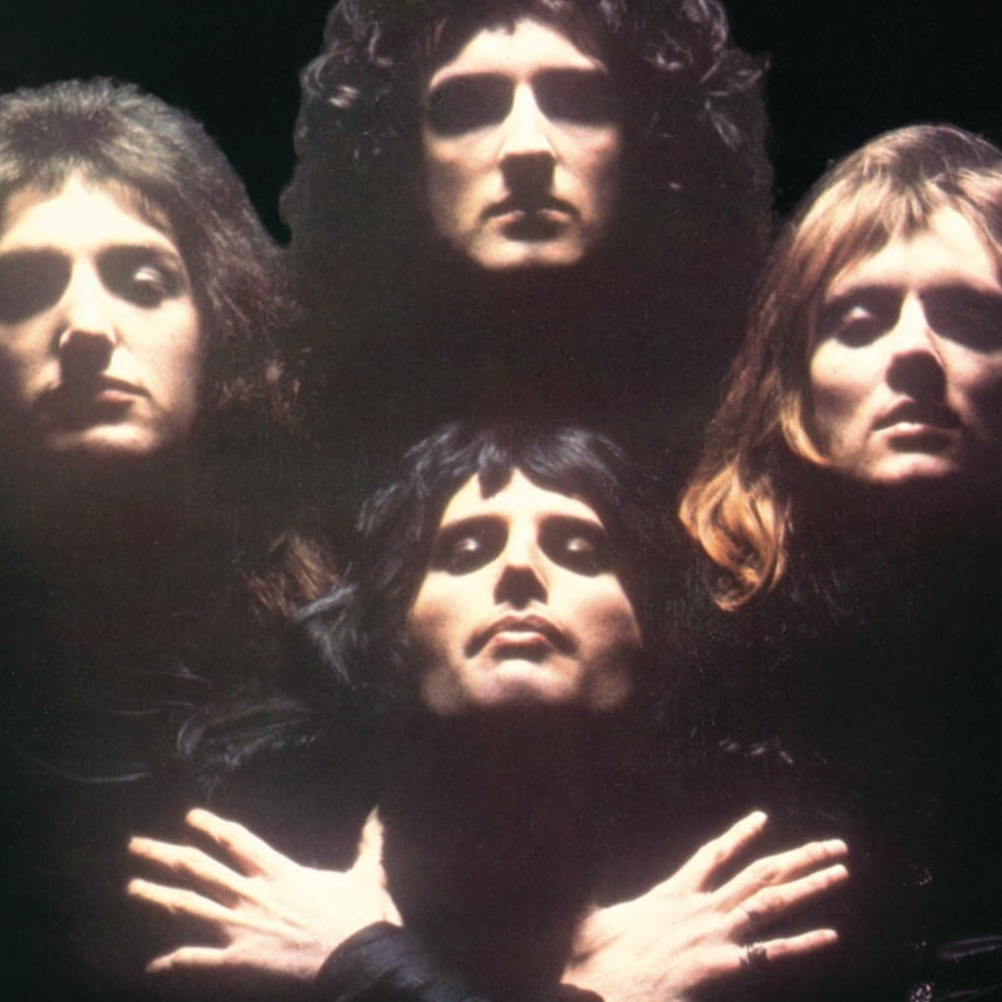
Single was issued with 4 separate covers featuring each member of the band.
Label: EMI Records
Catalogue Number: EMI 1984 (typical UK issue)
Format: 7" Vinyl Single (Solid Centre; EMI Factory Sleeve)
Released: April 2, 1984 (UK)
🔘 Track List
UK 7" Single — EMI Records – EMI 1984 — 1984
A. I Want To Break Free
Written by: John Deacon
Produced by: Queen & Reinhold Mack
B. Machines (or Back To Humans)
Written by: Brian May, Roger Taylor
Produced by: Queen & Reinhold Mack
Recorded at: Record Plant, Musicland Studios, 1983–84
Published by: Queen Music Ltd.
🔘 Key Highlights
• Released April 2, 1984
• A-side: John Deacon–penned synth‑pop anthem
• B-side: Techno‑rock track from *The Works*
• UK peak: No. 3
• UK certification: Double Platinum (1,200,000+ sales)
• US Billboard Hot 100 peak: No. 45
• No. 1 in Austria, Belgium, Netherlands
• Featured on *Greatest Hits II*
🔘 The Story
“I Want To Break Free” emerged as one of Queen’s defining 1980s singles, showcasing the band’s shift toward synth‑driven pop while retaining their trademark melodic power. Written by John Deacon, the track blended electronic textures with a soaring, emotionally charged vocal from Freddie Mercury. Its themes of liberation and self‑determination resonated widely, contributing to its strong chart performance across Europe and beyond.
The B-side, “Machines (or Back To Humans),” co-written by Brian May and Roger Taylor, offered a contrasting futuristic sound, combining rock instrumentation with programmed elements to explore themes of technology and humanity.
Commercially, the single was a major success in the UK, reaching No. 3 and earning double‑platinum certification. Its performance in the US was more modest, peaking at No. 45, but it became a chart‑topper in several European territories. The song’s enduring popularity ensured its inclusion on *Greatest Hits II*, cementing its place in Queen’s legacy.
🔘 Variants (UK)
• 7", 45 RPM, Single, Solid Centre — EMI – EMI 1984 — UK — 1984
• 7", 45 RPM, Single, Promo — EMI – EMI 1984 — UK — 1984
• 12" Maxi-Single — EMI – 12 EMI 1984 — UK — 1984
🔘 Chart Performance
UK — Official Singles Chart
3 — Peak Position
Certification: Double Platinum
US — Billboard Hot 100
45 — Peak Position
Austria — Ö3
1 — Peak Position
Belgium — Ultratop
1 — Peak Position
Netherlands — Dutch Top 40
1 — Peak Position
🔘 Context & Notes
• A-side: One of Queen’s most recognisable 1980s singles
• B-side: Techno‑rock track from *The Works*
• Production: Queen & Reinhold Mack
• Sleeve: Standard EMI factory sleeve (UK)
• Historical placement: Major international hit; later included on *Greatest Hits II*
🔘 Related Material
• “Radio Ga Ga” (1984)
• The Works (Album, 1984)
• “Hammer to Fall” (1984)
• Greatest Hits II (1991)
🔘 Discography
Radio Ga Ga — 1984
I Want To Break Free — 1984
Hammer to Fall — 1984
Thank God It’s Christmas — 1984
🔘 Mini‑Timeline
✦ 1983–84 — Recorded during *The Works* sessions
✦ Apr 2, 1984 — UK single released
✦ Spring 1984 — Peaks at No. 3 in the UK
✦ 1984 — Tops charts in Austria, Belgium, Netherlands
🔘 Glam Flashback
A synth‑powered anthem of liberation — Mercury soaring, Deacon writing at his sharpest, and Queen conquering the 1980s airwaves.
🔘 Hashtags
🔘 Sources
Primary reference sources:
Wikipedia • Discogs • 45cat • BBC / Official Charts Company
🔘 Copyright Notice
All magazine scans, photographs, and original text excerpts referenced in this entry remain the property of their respective copyright holders. This Chronicle entry is a transformative, non‑commercial archival summary created for historical documentation and educational reference. No ownership of the original material is claimed or implied.


Comments