


📰 NME Top 30 – Chart Listing : Jan. 1972
- Charts
- Jan 22, 1972
- 2 min read
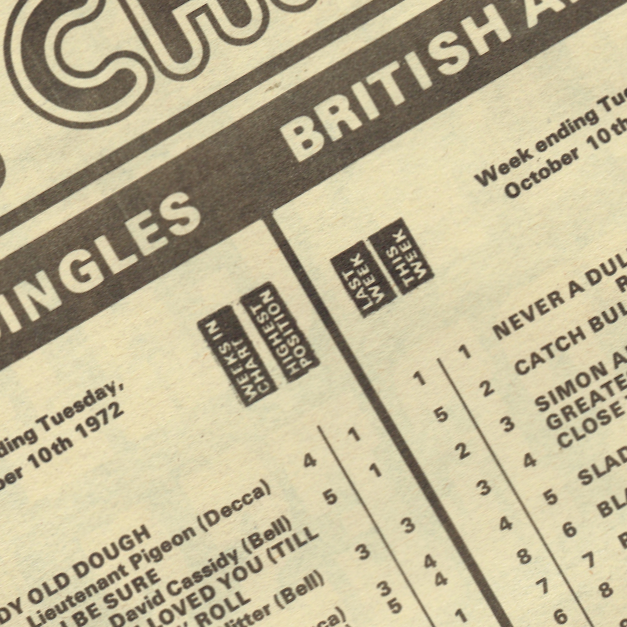
The New Musical Express chart for the week ending January 22, 1972 captured a richly varied early‑’70s landscape, balancing polished pop, emerging glam, and enduring soul. The New Seekers held the top single with “I’d Like to Teach the World to Sing,” while Cat Stevens led the album chart with *Teaser and the Firecat.*
Publication: New Musical Express
Date: January 22, 1972
Format: Weekly singles and albums chart
Writer: NME Chart Service
A moment of melodic optimism, glam emergence and cross‑Atlantic chart symmetry.
📰 Key Highlights
• “I’d Like to Teach the World to Sing” by the New Seekers at No. 1
• “Horse With No Name” by America rising fast at No. 2
• “Brand New Key” by Melanie and “Mother of Mine” by Neil Reid anchoring the Top 5
• “Jeepster” by T. Rex still charting strongly at No. 14
• Albums led by *Teaser and the Firecat* (Cat Stevens), *A Nod’s As Good As A Wink* (Faces) and *Electric Warrior* (T. Rex)
• U.S. listings mirrored the British scene with Don McLean’s *American Pie* topping both singles and albums
📰 Overview
This chart captures the UK music scene at the start of 1972 — a moment when folk‑pop, soft rock and glam were converging. The New Seekers’ Coca‑Cola‑inspired anthem reflected mainstream optimism, while T. Rex and Faces carried the rock edge. The albums list demonstrated the growing dominance of singer‑songwriters and concept‑driven LPs, with Cat Stevens, Lennon and Bolan defining the era’s introspective yet commercial sound.
📰 Source Details
Publication / Venue: New Musical Express
Date: January 22, 1972
Format: Weekly singles and albums chart
Provenance Notes: Based on the official NME chart compiled for the week ending January 19, 1972.
📰 The Story
The chart highlights:
• The New Seekers’ mainstream breakthrough and international reach
• America’s debut single establishing their soft‑rock identity
• T. Rex’s sustained glam momentum following *Electric Warrior*
• Cat Stevens’ continued success bridging folk and pop audiences
• The transatlantic alignment between UK and U.S. charts, signalling shared cultural trends
The tone is upbeat, transitional and era‑defining — a chart snapshot of Britain’s musical tastes as 1972 began.
📰 Visual Archive

📰 Closing Notes
A quintessential early‑’70s chart, the *NME* listing of January 22, 1972 stands as a vivid record of the artists, sounds and cultural forces shaping British pop at the dawn of the glam era.


Comments