


🔘 John, I’m Only Dancing – Single: Sep. 1972
- David Bowie
- Sep 1, 1972
- 5 min read


In the electric summer of 1972, David Bowie was at the dazzling height of Ziggy Stardust mania. Fresh from the success of “Starman” and the groundbreaking album *The Rise and Fall of Ziggy Stardust and the Spiders from Mars*, Bowie released “John, I’m Only Dancing” — a sharp, sexually ambiguous glam rocker that perfectly captured his provocative, androgynous persona.
Released on September 1, 1972, the single appeared on RCA Victor under catalogue number RCA 2263. Backed with “Hang On to Yourself,” this 7-inch release became another major hit and further cemented Bowie’s position as the most exciting and stylish figure in British glam rock.
Label: RCA Victor
Catalogue Number: RCA 2263
Format: 7" Vinyl Single (Push-Out/Solid Centre)
Released: September 1, 1972 (UK)
🔘 Track List
UK 7" Single — RCA Victor – RCA 2263 — 1972
A. John, I’m Only Dancing
B. Hang On to Yourself
Written by: David Bowie (both tracks)
Produced by: David Bowie and Ken Scott
Recorded: June 1972 at Olympic Studios, London
🔘 Key Highlights
• Released September 1, 1972
• Classic glam single with a cool, sexually charged lyric and driving riff
• Featured Mick Ronson’s powerful guitar and the Spiders from Mars in full flight
• Chart debut: September 9, 1972
• Peaked at No. 12 in the UK
🔘 The Story
“John, I’m Only Dancing” was one of Bowie’s most daring and playful singles of the Ziggy era. Its cryptic, ambiguous lyrics sparked endless discussion and added to Bowie’s enigmatic, gender-bending image. The track’s tight, energetic arrangement and Mick Ronson’s stinging guitar made it a favourite on both radio and the dancefloor.
The B-side “Hang On to Yourself” was a raw, high-energy rocker that would later appear in a different version on *The Rise and Fall of Ziggy Stardust*. The single maintained Bowie’s incredible chart momentum and helped keep Ziggy Stardust firmly in the public eye throughout the autumn of 1972.
🔘 Variants (UK)
• 7", 45 RPM, Push-Out Centre — RCA Victor – RCA 2263 — UK — 1972
• 7", 45 RPM, Solid Centre — RCA Victor – RCA 2263 — UK — 1972
• 7", 45 RPM, Demo — RCA Victor – RCA 2263 — UK — 1972
• Issued in standard RCA company sleeve
🔘 Chart Performance
UK — Official Singles Chart
Entered the chart on September 9, 1972 and peaked at No. 12. It spent a total of 9 weeks on the chart.
Total Weeks: 9
🔘 Context & Notes
• A-side: “John, I’m Only Dancing” – cool, sexually ambiguous glam rocker with a memorable riff and provocative lyrics.
• B-side: “Hang On to Yourself” – raw, high-energy track showcasing the full power of the Spiders from Mars.
• Production: David Bowie and Ken Scott – delivering the sleek, powerful sound of the Ziggy era.
• Sleeve notes: Standard RCA company sleeve.
• Historical placement: Released at the absolute peak of Ziggy-mania, during the golden year of British glam rock.
• Reissues / compilation appearances: Frequently appears on Bowie greatest hits collections and *Ziggy Stardust* reissues (often in both original and re-recorded versions).
🔘 Related Material
• Starman (1972)
• The Jean Genie (1972)
• Suffragette City (1972)
• Ziggy Stardust (1972)
🔘 Discography
Starman – Single: 1972
John, I’m Only Dancing – Single: 1972
The Jean Genie – Single: 1972
Drive-In Saturday – Single: 1973
🔘 Mini‑Timeline
✦ June 1972 — Recorded at Olympic Studios, London
✦ September 1, 1972 — UK single released
✦ September 9, 1972 — Enters UK Singles Chart
✦ September 1972 — Peaks at No. 12
✦ Late 1972 — Completes 9-week chart run
🔘 Glam Flashback
With silver hair, platform boots and a knowing wink, David Bowie danced through the charts in September 1972, proving that glam could be both stylish and delightfully ambiguous.
🔘 Sources
Primary reference sources: RCA Victor, Discogs, Official Charts Company, contemporary music-press documentation, archival references.
1973 Sax Version:
“John, I’m Only Dancing” was released with the same B-side and catalog number, causing some confusion among collectors.
Both songs reflect Bowie’s collaboration with The Spiders from Mars (Mick Ronson on guitar, Trevor Bolder on bass, Woody Woodmansey on drums), with Lou Reed’s influence evident in the lyrical style of “John, I’m Only Dancing.”
The sax version was recorded on January 20, 1973, during the sessions for the Aladdin Sane album at Trident Studios, London.
This version features a new arrangement with a prominent saxophone section by Brian Wilshaw and Ken Fordham, added at Bowie’s direction. Bowie instructed the saxophonists to think in terms of “renaissance” and “impressionist” sounds, described in colors rather than traditional musical terms, according to pianist Matthew Fisher, who was present at the session.
The arrangement is described as “punchier” than the original 1972 recording, with a faster tempo and a refined vocal delivery where Bowie toned down some of the original’s eccentricities, such as the “touch me!” coda and spoken-word elements.
This version was initially intended to close the Aladdin Sane album but was replaced at the last minute by “Lady Grinning Soul.”

Release:
The sax version was released as a single in April 1973 in the UK by RCA Victor, using the same catalog number as the original 1972 single: RCA 2263. The B-side remained “Hang On to Yourself,” consistent with the original release.
The reuse of the same catalog number (RCA 2263) for both the 1972 original and 1973 sax versions caused
significant confusion among collectors and fans, as RCA did not clearly distinguish between the two versions on the label or packaging.
The sax version’s release was low-key, with “little fanfare,” and it was not promoted as a new recording, which added to the confusion.
The sax version was not released in the US at the time, as RCA deemed the song’s lyrical content too risqué, a decision also applied to the 1972 original.

The sax version first appeared on compilations with the first 1,000 copies of ChangesOneBowie (1976), where it was included by mistake before being replaced with the original 1972 version in later pressings. This mispress helped fans become aware of the sax version’s existence.
It later appeared on the bonus disc of the 2003 Aladdin Sane 30th Anniversary Edition, Sound + Vision (1989), The Best of David Bowie 1969/1974 (1997), and Re:Call 1 in the Five Years (1969–1973) boxed set (2015).
Catalog Number Confirmation:
Both the 1972 original and 1973 sax versions were released under RCA 2263. The original version typically has stamped matrix numbers (BGBS 1056), while the sax version is identified by etched matrix numbers (BGBS·1056·A·2E) and lacks the word “STEREO” on the label.
Some sources note that RCA’s practice of alternating the two versions under the same catalog number throughout the 1970s led to inconsistencies in pressings, with buyers sometimes receiving the sax version unexpectedly.
A rare black label pressing of the sax version (RCA 2263) is noted as a collectible item, distinct from the common “Lifetimes” pressing or the 1979 “John, I’m Only Dancing (Again)” release.
Musical and Cultural Notes:
The sax version is often considered superior by some commentators for its tighter arrangement and enhanced instrumentation.
The song’s lyrical content, interpreted by some as addressing a gay relationship, continued to spark discussion, though Bowie maintained it was about a straight relationship. The sax version retained the same lyrics but was delivered with a less overtly theatrical vocal.
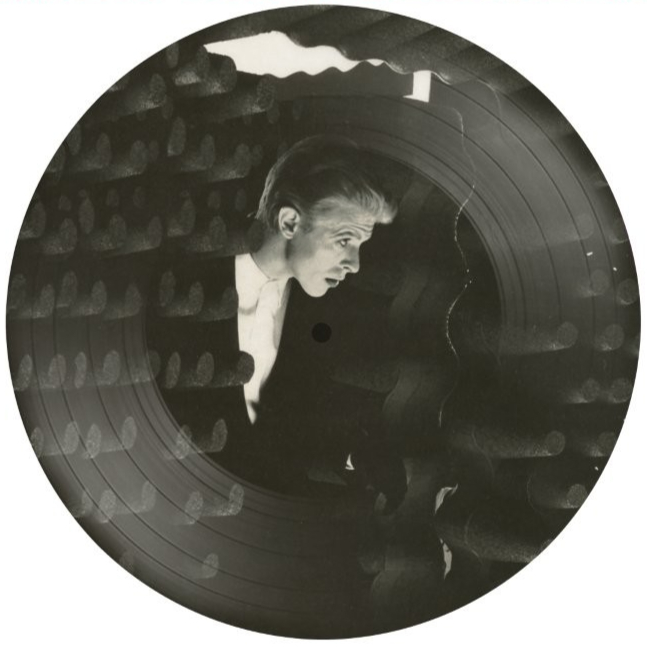
The 2012 40th Anniversary Edition picture disc single (not under RCA 2263) included both the 1972 original and 1973 sax versions as a double A-side, marking the first time they were officially paired together.


Comments