


🔘 Diamond Dogs – Single: Jun. 1974
- David Bowie
- Jun 14, 1974
- 3 min read

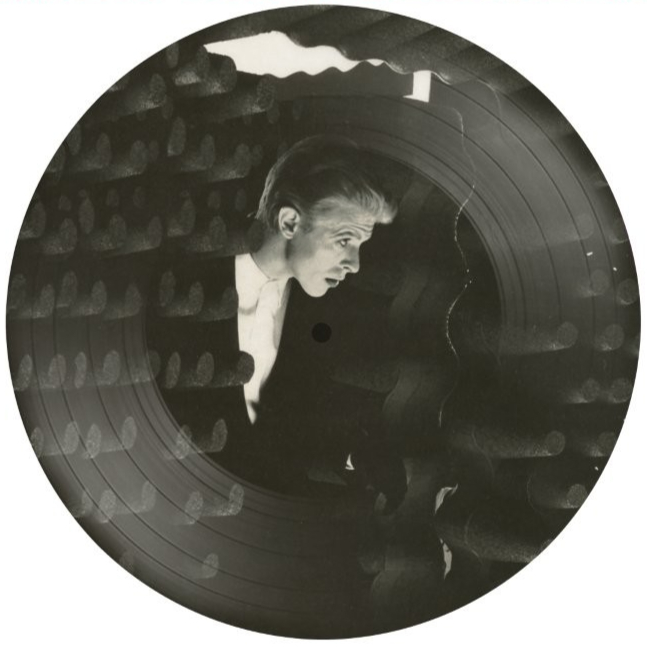
Released in the UK on June 14, 1974, David Bowie’s “Diamond Dogs,” backed with “Holy Holy,” appeared as a 7-inch vinyl single on RCA Records (APBO 0293). Serving as the second single and title track from Bowie’s eighth studio album *Diamond Dogs*, the release captured the album’s dystopian, post‑apocalyptic aesthetic. Written and produced by Bowie, the track blended raw guitar riffs, theatrical vocal delivery, and a gritty glam‑rock edge. The B-side featured a re-recorded version of “Holy Holy,” originally issued in 1971. Entering the UK Singles Chart shortly after release, “Diamond Dogs” peaked at No. 21 — a modest performance compared to Bowie’s earlier Ziggy-era hits, reflecting the album’s darker, more experimental tone.
Label: RCA Records
Catalogue Number: APBO 0293
Format: 7" Vinyl Single (Solid Centre / Push‑Out Centre; Promo & Commercial)
Released: June 14, 1974 (UK)
🔘 Track List
UK 7" Single — RCA Records – APBO 0293 — 1974
A. Diamond Dogs
Written by: David Bowie
Produced by: David Bowie
B. Holy Holy
Written by: David Bowie
Produced by: David Bowie
Recorded at: Olympic Studios, 1974
Published by: MainMan/Chrysalis/Bowie Publishing
🔘 Key Highlights
• Released June 14, 1974
• A-side: Title track from *Diamond Dogs*
• B-side: Re-recorded version of Bowie’s 1971 single
• UK peak: No. 21
• Chart run: Approx. 6–7 weeks
• Issued in solid centre, push‑out centre, and promo variants
🔘 The Story
“Diamond Dogs” emerged from Bowie’s ambitious attempt to adapt George Orwell’s *1984* into a stage musical — a project ultimately abandoned due to rights issues. Elements of the concept survived, shaping the dystopian world of *Diamond Dogs*, a post‑apocalyptic landscape populated by scavengers, street gangs, and decaying glamour. The title track distilled this vision into a snarling glam‑rock anthem, driven by Bowie’s jagged guitar work — a rarity, as he took on lead guitar duties himself following his split from longtime producer Ken Scott.
The B-side, “Holy Holy,” was a newly recorded version of Bowie’s 1971 single, offering fans a fresh take on an early glam-era track. Its inclusion added historical depth to the release, bridging Bowie’s early glam beginnings with his darker mid‑’70s experimentation.
Commercially, “Diamond Dogs” performed respectably, reaching No. 21 on the UK Singles Chart. While not as immediate as “Rebel Rebel,” the single’s theatrical grit and conceptual weight have helped it endure as a key piece of Bowie’s transitional mid‑’70s output.
🔘 Variants (UK)
• 7", 45 RPM, Single, Solid Centre — RCA – APBO 0293 — UK — 1974
• 7", 45 RPM, Single, Push‑Out Centre — RCA – APBO 0293 — UK — 1974
• 7", 45 RPM, Single, Promo — RCA – APBO 0293 — UK — 1974
🔘 Chart Performance
UK — Official Singles Chart
21 — Peak Position
Chart Run: Approx. 6–7 Weeks Total
🔘 Context & Notes
• A-side: Title track from Bowie’s dystopian concept album
• B-side: Re-recorded version of 1971’s “Holy Holy”
• Production: Bowie self-produced after parting with Ken Scott
• Sleeve: Standard RCA company sleeve (UK)
• Historical placement: Transitional period between Ziggy-era glam and the soul‑infused *Young Americans* era
🔘 Related Material
• “Rebel Rebel” (1974)
• Diamond Dogs (Album, 1974)
• “1984” (1974)
• Young Americans (1975)
🔘 Discography
Rebel Rebel — 1974
Diamond Dogs — 1974
1984 — 1974
Young Americans — 1975
🔘 Mini‑Timeline
✦ Early 1974 — Recorded at Olympic Studios
✦ May 24, 1974 — *Diamond Dogs* album released
✦ Jun 14, 1974 — UK single released
✦ Summer 1974 — Peaks at No. 21
🔘 Glam Flashback
A snarling, theatrical slice of dystopian glam — Bowie at his most feral, visionary, and defiantly experimental.
🔘 Hashtags
🔘 Sources
Primary reference sources:
Wikipedia • Discogs • 45cat • BBC / Official Charts Company
🔘 Copyright Notice
All magazine scans, photographs, and original text excerpts referenced in this entry remain the property of their respective copyright holders. This Chronicle entry is a transformative, non‑commercial archival summary created for historical documentation and educational reference. No ownership of the original material is claimed or implied.


Comments