


Iggy Pop: "Lust For Life" Album (1977)
- Iggy Pop
- Sep 8, 1977
- 4 min read
Updated: Sep 23, 2025
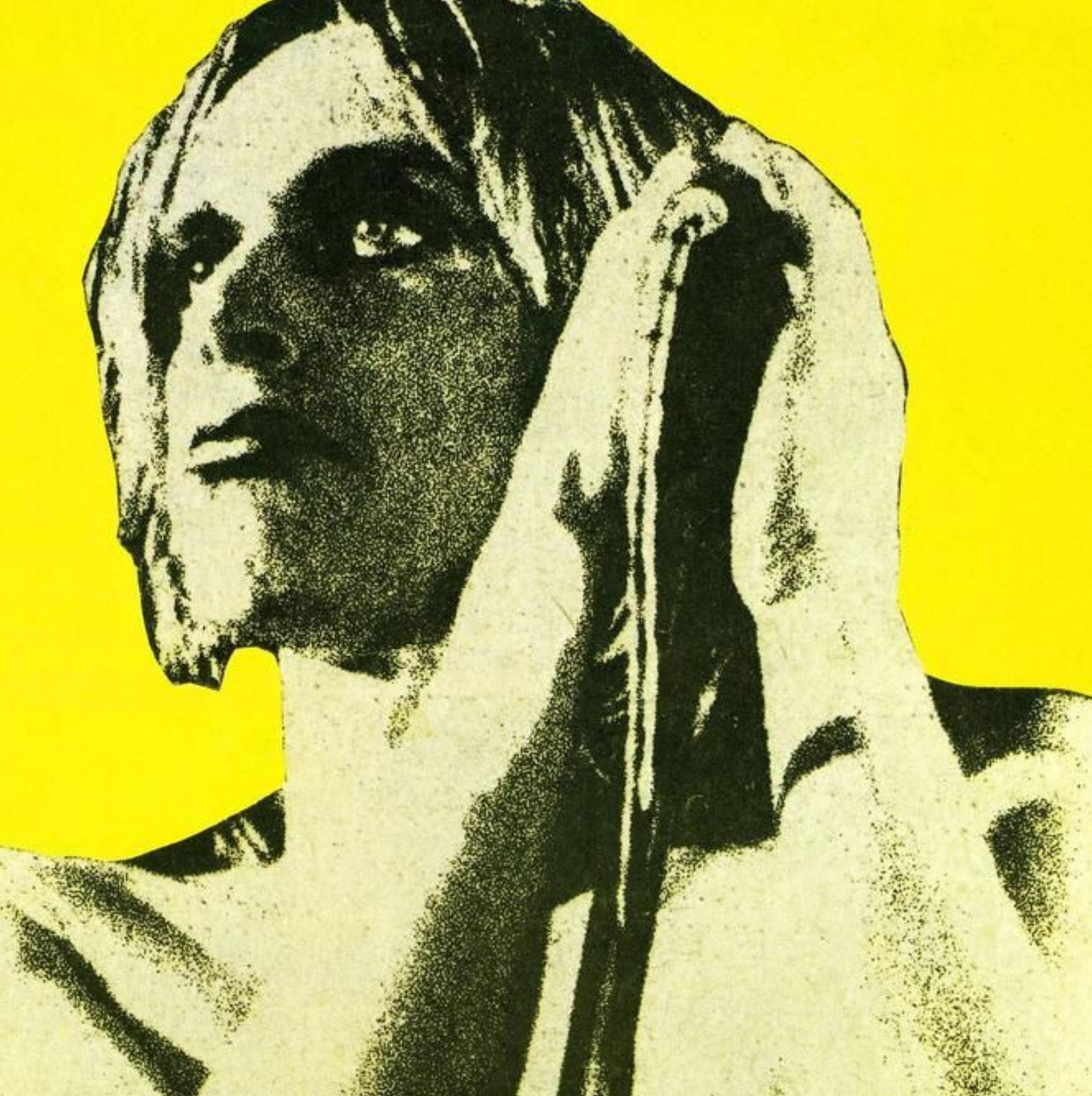
Iggy Pop’s Lust For Life was released as an LP album in the UK by RCA Records (catalog number PL 12488) on September 9, 1977.
It followed his debut solo album, The Idiot (March 1977), and was a pivotal moment in his career as he transitioned from his Stooges days and battled drug addiction. The album was a collaboration with David Bowie, recorded at Hansa Studio by the Wall in West Berlin from May to June 1977. This period, known as the "Berlin Years" for both artists, was marked by creative reinvention and personal recovery for Pop, who had moved to Europe with Bowie in 1976 to get sober. The album’s upbeat, rock-driven sound reflects Pop’s renewed energy, contrasting with the darker, experimental tone of The Idiot.

Recording and Production
The recording took place over eight days, a rapid process fueled by the spontaneity of Pop and Bowie’s partnership. Produced under the pseudonym Bewlay Bros. (Pop and Bowie), with engineer Colin Thurston, the album featured a core lineup of Pop (vocals), Bowie (keyboards, backing vocals), Ricky Gardiner (guitar), Tony Sales (bass), and Hunt Sales (drums), with additional contributions from Carlos Alomar (guitar).
The sessions were marked by creative freedom, with Pop taking greater songwriting control than on The Idiot. For example, the title track was inspired by Bowie mimicking the Armed Forces Network call signal on a ukulele, while "The Passenger" drew from Jim Morrison’s poetry and Berlin nightlife. The album’s quick production and leftover advance money, split between Pop and Bowie, underscored their close collaboration.
Musical Style and Themes
Lust for Life blends rock, punk, and early new wave, departing from The Idiot’s atmospheric experimentation. Its sound is characterized by "springy grooves" and a "laid-back" feel, with Pop’s vocals ranging from shouts to croons, showcasing his raw energy. The album’s production is lively, with tracks like "Lust for Life" featuring a distinctive drum beat inspired by Sandy Nelson, and "The Passenger" incorporating reggae-punk elements. Lyrically, it explores survival, hedonism, and personal reinvention. The title track’s line, "I’m worth a shock today," reflects Pop’s resilience, while "The Passenger" captures nocturnal wanderlust, inspired by rides with Bowie and Michelangelo Antonioni’s film. Other tracks, like "Tonight," balance darker themes with pop accessibility, showcasing Pop’s versatility.

Tracklist and Key Songs
The album includes nine tracks, each contributing to its cohesive yet varied sound.
1. "Lust for Life" (5:13) – Written by Pop and Bowie. Iconic title track with a driving drum beat, later popularized by "Trainspotting" (1996). A rock anthem of resilience.
2. "Sixteen" (2:25) – Written by Pop. A raw, punk-infused track, his sole composition, highlighting his vocal intensity.
3. "Some Weird Sin" (3:40) – Written by Pop and Bowie. Hard rock with a "lost-boy lyric," evoking Berlin’s gritty vibe.
4. "The Passenger" (4:42) – Written by Pop and Gardiner. Reggae-punk classic, inspired by Morrison and Berlin, a cultural staple.
5. "Success" (4:24) – Written by Pop and Bowie. Light-hearted with call-and-response, but seen as less impactful by some critics.
6. "Turn Blue" (6:55) – Written by Pop, Bowie, and others. The longest track, confessional, reworked from a 1975 session.
7. "Neighborhood Threat" (3:27) – Written by Pop and Bowie. Neo-punk, later covered by Bowie on "Tonight" (1984).
8. "Tonight" (3:37) – Written by Pop and Bowie. A pop ballad about loss, also covered by Bowie with Tina Turner.
9. "Fall in Love with Me" (6:31) – Written by Pop, Bowie, and others. An improvised jam reflecting Berlin’s nightlife.
"Lust for Life" and "The Passenger" are the album’s standout tracks, with the former becoming a defining anthem and the latter a timeless classic. "Tonight" and "Neighborhood Threat" were later covered by Bowie, underscoring their collaborative strength. However, tracks like "Success" received mixed reviews for being less memorable.

Reception and Chart Performance
Upon release, Lust for Life faced limited promotion from RCA due to the label’s focus on reissuing Elvis Presley’s catalog after his death in August 1977. It peaked at No. 28 on the UK Albums Chart, Pop’s highest UK chart position until Post Pop Depression (2016) reached No. 5, and No. 120 on the US Billboard Top LPs & Tape chart. It also hit No. 8 in the Netherlands. Critics praised Pop’s energetic performance and creative control, with Rolling Stone calling side one "successful" but noting a weaker side two. Later reviews, like AllMusic’s, hailed it as a "masterpiece of rock music."
The album’s initial modest success grew significantly with its inclusion in the 1996 film Trainspotting, where "Lust for Life" featured prominently, reaching No. 26 on the UK singles chart and No. 39 on the US Radio & Records Alternative chart. By 2025, it’s widely regarded as one of Pop’s best works, appearing on lists like *Rolling Stone*’s 500 Greatest Albums.
Legacy and Cultural Impact
Lust for Life was crucial in reestablishing Pop’s career, bridging his Stooges era with solo success and influencing punk and new wave. Its vibrant energy and Pop’s raw charisma made it a cultural touchstone, with "Lust for Life" and "The Passenger" becoming anthems. The *Trainspotting* feature in 1996 boosted its popularity, cementing its place in pop culture. In 2020, Virgin Records released The Bowie Years, a deluxe box set with remastered versions, outtakes, and live material, ensuring its accessibility. By 2025, tracks like "Lust for Life" have surpassed 2 billion Spotify streams, reflecting its enduring appeal.
The album’s cover, showing Pop smiling, contrasts with The Idiot’s darker tone, symbolizing his recovery. Its production and Bowie’s involvement are often cited as a high point, with Pop’s balance of personal narrative and broad appeal solidifying his legacy. Compared to *The Idiot*, it’s often preferred for its upbeat rock sound, though some fans debate the relative merits of both albums.

Personnel
- Iggy Pop: Vocals
- David Bowie: Keyboards, backing vocals, production
- Ricky Gardiner: Guitar
- Tony Sales: Bass
- Hunt Sales: Drums
- Additional musicians: Carlos Alomar (guitar), others
- Production: Bewlay Bros. (Pop and Bowie), Colin Thurston (engineer)
Additional Notes
The album’s rapid recording and spontaneous moments, like the creation of Lust for Life, highlight Pop and Bowie’s chemistry. Its Berlin setting added a unique atmosphere, with tracks evoking the city’s nightlife and energy. The album’s influence extends to artists across genres, and its tracks remain staples in media, from films to commercials.
Key Takeaways
Lust for Life is a defining work in Iggy Pop’s career, showcasing his resilience and artistic growth with Bowie’s support. Its blend of rock, punk, and new wave, coupled with iconic tracks like "Lust for Life" and "The Passenger," ensures its status as a classic.


Comments