


🔘 Mama Weer All Crazee Now – Single: Aug. 1972
- Slade
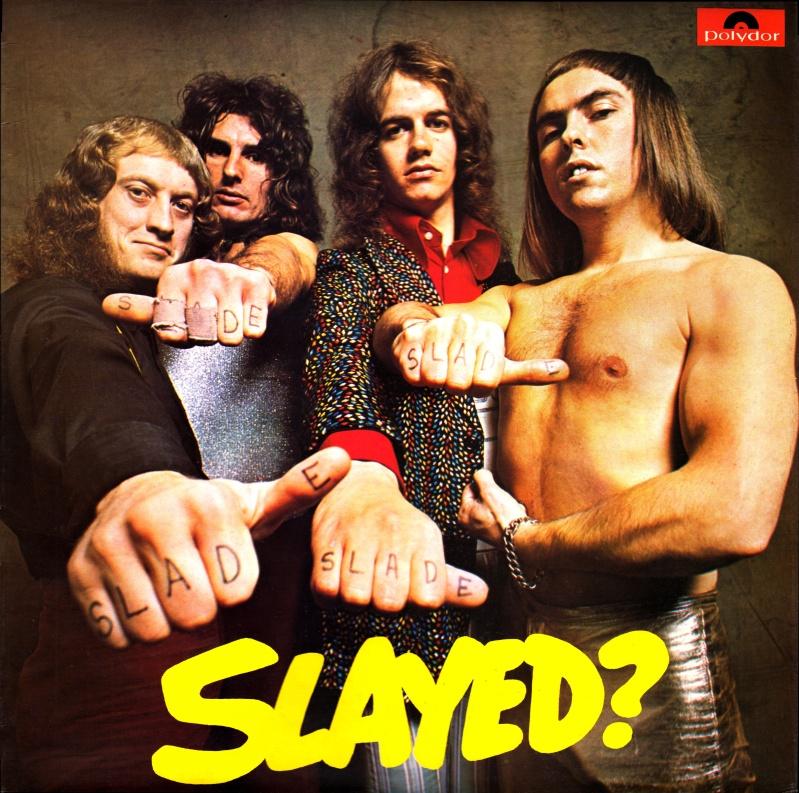
- Aug 25, 1972
- 3 min read



In the blistering summer of 1972, Slade were rapidly becoming the loudest and most exciting band in British glam rock. With their stomping boots, mirrored top hats and raw, working-class energy, the Wolverhampton quartet delivered another high-octane anthem with “Mama Weer All Crazee Now.” The track captured the pure, chaotic joy of a rock ’n’ roll night out, complete with Noddy Holder’s unmistakable gravelly roar and a massive, singalong chorus.
Released on August 25, 1972, the single appeared on Polydor Records under catalogue number 2058 254. Backed with “Man Who Speeks Evil,” this 7-inch release became Slade’s second UK No. 1 single of the year, further cementing their position as glam rock’s ultimate chart dominators.
Label: Polydor Records
Catalogue Number: 2058 254
Format: 7" Vinyl Single (Push-Out/Solid Centre)
Released: August 25, 1972 (UK)
🔘 Track List
UK 7" Single — Polydor – 2058 254 — 1972
A. Mama Weer All Crazee Now
B. Man Who Speeks Evil
Written by:
- Mama Weer All Crazee Now: Noddy Holder / Jim Lea
- Man Who Speeks Evil: Noddy Holder / Jim Lea
Produced by: Chas Chandler
Recorded: 1972
🔘 Key Highlights
• Released August 25, 1972
• Slade’s second UK No. 1 single of 1972
• Explosive glam stomper with a huge, chant-along chorus
• Chart debut: September 2, 1972
• Peaked at No. 1 in the UK
• Spent three weeks at the top of the chart
🔘 The Story
By mid-1972 Slade had already tasted major success with “Take Me Bak ’Ome,” but “Mama Weer All Crazee Now” took their formula to another level. Written by Noddy Holder and Jim Lea, the song was inspired by the wild, frenzied atmosphere of their live shows. Its pounding beat, simple repetitive lyrics and raw energy made it an instant anthem for fans who loved to stomp, shout and lose themselves in the music.
The B-side “Man Who Speeks Evil” offered a slower, heavier contrast with its gritty riff and menacing tone. The single stormed straight to No. 1, helping Slade maintain their incredible run of hits during the golden age of glam. With their skinhead-to-glam image and no-nonsense rock ’n’ roll, Slade became one of the most successful and beloved bands of the era.
🔘 Variants (UK)
• 7", 45 RPM, Push-Out Centre — Polydor – 2058 254 — UK — 1972
• 7", 45 RPM, Solid Centre — Polydor – 2058 254 — UK — 1972
• 7", 45 RPM, Demo — Polydor – 2058 254 — UK — 1972
• Issued in standard Polydor company sleeve
🔘 Chart Performance
UK — Official Singles Chart
Entered the chart on September 2, 1972, shot straight to No. 1 and spent three weeks at the top. It enjoyed a total of 12 weeks on the chart.
Total Weeks: 12
🔘 Context & Notes
• A-side: “Mama Weer All Crazee Now” – high-energy glam stomper with a massive singalong chorus and raw power.
• B-side: “Man Who Speeks Evil” – heavier, slower track providing a gritty contrast.
• Production: Chas Chandler – the former Animals bassist who helped shape Slade’s powerful sound.
• Sleeve notes: Standard Polydor company sleeve.
• Historical placement: Released at the peak of the glam rock explosion, alongside hits from T. Rex, David Bowie and Sweet.
• Reissues / compilation appearances: Features on all major Slade greatest hits collections and glam rock compilations.
🔘 Related Material
• Take Me Bak ’Ome (1972)
• Gudbuy T’Jane (1972)
• Slade Alive! (1972)
• Cum On Feel The Noize (1973)
🔘 Discography
Take Me Bak ’Ome – Single: 1972
Mama Weer All Crazee Now – Single: 1972
Gudbuy T’Jane – Single: 1972
Cum On Feel The Noize – Single: 1973
🔘 Mini‑Timeline
✦ 1972 — Recorded during sessions with Chas Chandler
✦ August 25, 1972 — UK single released
✦ September 2, 1972 — Enters UK Singles Chart
✦ September 1972 — Peaks at No. 1 (three weeks at the top)
✦ Late 1972 — Completes 12-week chart run
🔘 Glam Flashback
With stomping boots, mirrored hats and a roar that could shake the rafters, Slade proved in the summer of 1972 that pure, unadulterated glam rock chaos could still rule the British charts.
🔘 Sources
Primary reference sources: Polydor Records, Discogs, Official Charts Company, contemporary music-press documentation, archival references.


Comments