


📰 Alice On Boredom – Article: Mar. 1973
- Alice Cooper Group
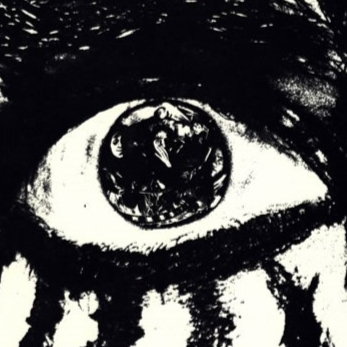
- Mar 24, 1973
- 4 min read
Updated: Mar 21
Writer: New Musical Express Staff
Date: March 24, 1973
Length: 8–10 min read
A loose, whiskey‑warm conversation with Alice Cooper reveals a performer who understands ego, fame, and the absurd theatre of recognition better than almost anyone in early ’70s rock.
Ego, fame, boredom, and the strange philosophy of being Alice Cooper.
Across three pages of candid interview and surreal bar‑side encounters, Alice Cooper dissects the mechanics of celebrity, praises fellow entertainers, and even outlines a career path for a stranger who claims to be “professionally boring.” The result is a portrait of a star who sees fame as both a tool and a performance.
📰 Key Highlights
• Alice Cooper embraces ego as essential to artistry
• Commentary on fame, recognition, and public perception
• Praise for Bette Midler and David Bowie as self‑made stars
• Reflections on career longevity and evolving the Alice persona
• A surreal exchange with a stranger named “Matty,” reborn as “John Smith”
📰 Overview
In early 1973, Alice Cooper stood at the height of his theatrical power — a shock‑rock icon whose stage persona had become inseparable from his public identity. This three‑page NME article captures him in a rare, unguarded mood, blending humour, philosophy, and self‑awareness.
The piece explores Cooper’s belief that ego is not a flaw but a necessary engine for any performer. He speaks openly about enjoying recognition, even when it comes with criticism, because visibility is the true currency of stardom. The article positions him as a performer who understands the mechanics of fame with unusual clarity.
The feature also highlights Cooper’s admiration for other entertainers, particularly Bette Midler and David Bowie, whom he praises for their originality and self‑belief. These reflections are woven into a narrative that shifts between introspection and theatricality, mirroring Cooper’s own dual nature.
📰 Source Details
Publication / Venue: New Musical Express
Date: March 24, 1973
Format: Article / Multi‑Page Interview
Provenance Notes:
• Based on a three‑page NME article with multiple photographs.
• Summary only — no copyrighted text reproduced.
• Visual description derived from the scanned material.
📰 The Story
The article opens with Cooper discussing ego — not as vanity, but as a tool for artistic survival. He admits he enjoys being recognised on the street, but insists that fame must be handled with humility. For Cooper, the goal is not universal approval but unmistakable identity.
He reflects on the nature of celebrity, noting that even Richard Nixon would likely know who he is. Recognition, he argues, is the foundation of stardom, and ego is simply the engine that drives it. Yet he draws a clear line between theatrical ego and obnoxious behaviour, criticising those who flaunt their fame without purpose.
The conversation shifts to Cooper’s admiration for Bette Midler, whom he describes as a fusion of Streisand, Merman, and something uniquely her own. He praises her ambition, talent, and ability to command a room. Bowie receives similar praise — a performer who assumed stardom and backed it up with originality.
Midway through the article, a stranger named Matty approaches Cooper and claims to be boring. What follows is a surreal, humorous exchange in which Cooper outlines a full career plan for Matty, rechristened “John Smith,” destined to become the world’s most boring superstar. The satire is sharp, but Cooper treats the man with surprising kindness.
The article closes with Cooper reflecting on his future. At 25, he is already planning how the Alice persona will evolve by the time he reaches 30. He acknowledges that his current act won’t resonate with teenagers forever and hints at a shift toward more mature themes in the years ahead.
📰 Visual Archive


• Page 1: Backstage portrait of Alice Cooper smiling, wearing a sequined outfit.
• Page 2: Alice with a flower in his mouth — a playful, surreal image.
• Page 3: Alice seated in a hat, relaxed and reflective.
• Layout: Multi‑column text with bold pull quotes and vintage NME typography.
Alice Cooper in March 1973 — candid, theatrical, and unexpectedly philosophical.
📰 Related Material
• Billion Dollar Babies (1973)
• NME’s “Alice Lives!” (March 24, 1973)
• UK press coverage of Cooper’s theatrical persona
📰 Closing Notes
“Alice On Boredom” stands as one of the most revealing Cooper interviews of the early ’70s — a blend of humour, candour, and surrealism that captures the man behind the myth. It shows Cooper not just as a shock‑rock icon, but as a thoughtful performer who understands fame as both theatre and philosophy.
📰 Sources
• Original NME article (visual reference only)
• Contemporary Alice Cooper tour and discography context
• Secondary historical sources for era framing
📝 Copyright Notice
All magazine scans, photographs, and original text excerpts referenced in this entry remain the property of their respective copyright holders. This Chronicle entry is a transformative, non‑commercial archival summary created for historical documentation and educational reference. No ownership of the original material is claimed or implied.


Comments