


📰 NME Charts – Report: Apr. 1972
- Charts
- Apr 15, 1972
- 3 min read
A snapshot of pop culture in motion — the pulse of April 1972 captured in numbers, names, and rhythms.
The page hums with the sound of a world tuned to vinyl.
A moment when British and American charts mirrored each other’s energy, revealing a transatlantic dialogue of melody and fame.
The piece stands as a living document of what listeners loved, bought, and sang along to in the spring of 1972.
🗞 NME
📅 Date: April 15, 1972
⏱ Length: 3–4 min read
📰 Key Highlights
• Nilsson’s “Without You” tops the British singles chart
• Neil Young’s Harvest leads both UK and US album charts
• Ringo Starr’s “Back Off Boogaloo” climbs steadily in both territories
• Deep Purple’s Machine Head enters the album listings
• Retrospective chart sections recall hits from 1967 and 1962
📰 Overview
The NME Charts page from April 15, 1972 offers a vivid cross‑section of musical taste at the dawn of the glam era. The British singles list balances emotional ballads and emerging rock power, with Nilsson’s “Without You” reigning supreme and Argent’s “Hold Your Head Up” marking the rise of progressive pop. The albums chart reflects a shift toward introspection and artistry, led by Neil Young’s Harvest and Gilbert O’Sullivan’s Himself.
Across the Atlantic, the U.S. charts echo similar themes of sincerity and experimentation. Roberta Flack’s “The First Time Ever I Saw Your Face” and America’s “A Horse With No Name” dominate airwaves, while Neil Young’s Harvest again bridges both markets. The listings reveal a rare harmony between British and American audiences, united by a shared appetite for authenticity and melody.
📰 Source Details
Publication / Venue: NME
Date: April 15, 1972
Format: Charts Report
Provenance Notes: Verified via preserved page scan; layout, typography, and chart formatting consistent with NME’s 1972 design standards.
📰 The Story
The British singles chart opens with Nilsson’s “Without You,” a transatlantic hit that epitomised the era’s emotional songwriting. The Royal Scots Dragoon Guards’ “Amazing Grace” follows, a reminder of Britain’s enduring affection for traditional melodies even amid pop’s evolution. Deeper in the list, Ringo Starr’s “Back Off Boogaloo” and Deep Purple’s “Never Before” signal the growing dominance of rock.
The album chart is equally revealing. Neil Young’s Harvest sits atop both British and American lists, its introspective tone resonating across continents. Lindisfarne’s Fog on the Tyne and Jethro Tull’s Thick as a Brick showcase the British folk‑rock and progressive movements, while Machine Head by Deep Purple introduces a heavier sound that would soon define the decade.
Advertisements surrounding the charts — for singles by Melanie, Sly & The Family Stone, and Quintessence — add texture to the page, illustrating the promotional machinery driving the industry. The retrospective section, revisiting chart‑toppers from 1967 and 1962, provides historical continuity, linking the psychedelic and early pop eras to the present.
📰 Visual Archive

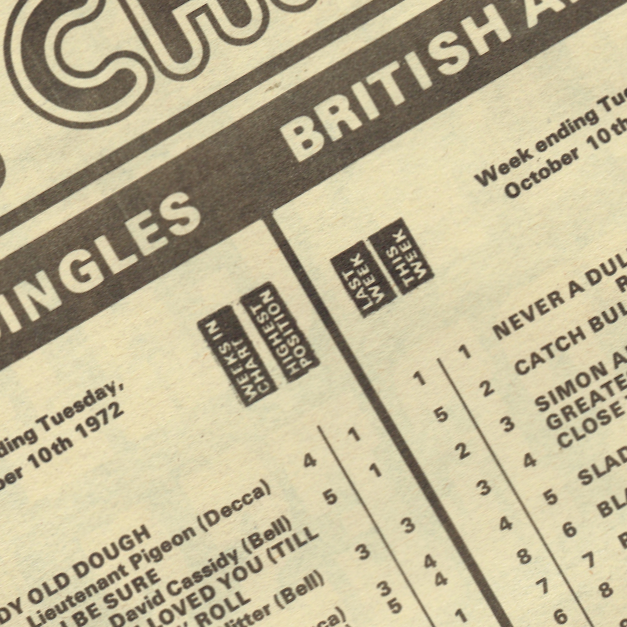
A full‑page NME chart spread featuring British and U.S. singles and albums, promotional adverts for new releases, and retrospective listings from previous decades.
The design is dense, typographically bold, and unmistakably early‑70s.
Caption: NME Charts page, April 15, 1972 — British and U.S. listings with promotional adverts.
📰 Related Material
See tabs at foot of page
• NME Chart Reports – 1972 Archive
• British Singles & Albums – Spring 1972
• Transatlantic Chart Parallels – Early 70s
📰 Closing Notes
This chart page captures the musical crossroads of 1972 — a year when introspective songwriting met the spectacle of glam, and when British and American tastes briefly aligned. It remains a testament to the diversity and vitality of the era’s sound.
📝 Copyright Notice
All magazine scans, photographs, and original text excerpts referenced in this entry remain the property of their respective copyright holders. This Chronicle entry is a transformative, non‑commercial archival summary created for historical documentation and educational reference. No ownership of the original material is claimed or implied.


Comments