


🔘 Rock Me Baby – Single: Nov. 1972
- David Cassidy
- Nov 17, 1972
- 3 min read

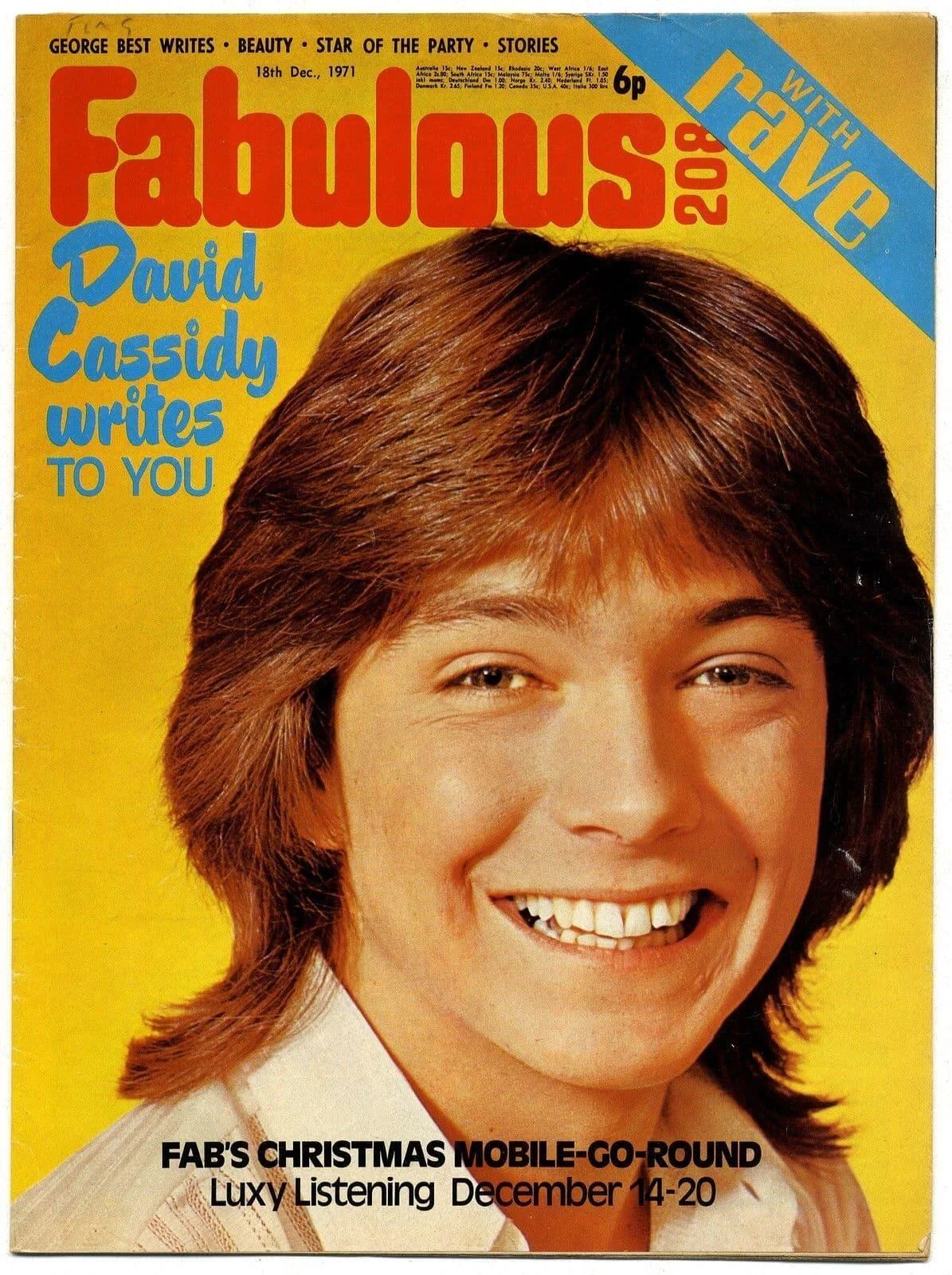
In the glittering pop landscape of late 1972, David Cassidy was at the absolute peak of his teen idol fame. Fresh from the success of The Partridge Family and his own solo hits, the heartthrob delivered a upbeat, soul-tinged rocker with “Rock Me Baby.” The track showcased a slightly harder, more grown-up edge while still maintaining the infectious charm that made him a global superstar among young fans during the early glam era.
Released on November 17, 1972, the single appeared on Bell Records under catalogue number BELL 1260. Backed with “Two Time Loser,” this 7-inch release captured Cassidy’s smooth vocals and energetic delivery, appealing to both his dedicated fanbase and the broader pop audience.
Label: Bell Records
Catalogue Number: BELL 1260
Format: 7" Vinyl Single (Push-Out/Solid Centre)
Released: November 17, 1972 (UK)
🔘 Track List
UK 7" Single — Bell – BELL 1260 — 1972
A. Rock Me Baby
B. Two Time Loser
Written by:
- Rock Me Baby: Johnny Cymbal / Peggy Clinger
- Two Time Loser: Unknown
Produced by: Wes Farrell
Recorded: 1972
🔘 Key Highlights
• Released November 17, 1972
• Upbeat pop-rock single showcasing David Cassidy’s evolving sound
• Strong appeal to the teen market during the height of his solo career
• Chart debut: November 25, 1972
• Peaked at No. 11 in the UK
🔘 The Story
By November 1972 David Cassidy was one of the biggest names in popular music. Coming off several major hits, “Rock Me Baby” gave him a slightly tougher, funkier edge compared to his earlier ballads. The song’s driving rhythm and catchy chorus allowed Cassidy to flex his vocal range while still delivering the polished pop that his fans loved. Producer Wes Farrell kept the sound bright and radio-friendly, perfectly suited to the era.
The B-side “Two Time Loser” provided a solid mid-tempo contrast, rounding out a strong double-sided release. The single performed well on the UK charts, further proving that Cassidy’s appeal stretched beyond television fame into genuine chart success during the glam-dominated pop scene of the early 1970s.
🔘 Variants (UK)
• 7", 45 RPM, Push-Out Centre — Bell – BELL 1260 — UK — 1972
• 7", 45 RPM, Solid Centre — Bell – BELL 1260 — UK — 1972
• 7", 45 RPM, Demo — Bell – BELL 1260 — UK — 1972
• Issued in standard Bell company sleeve
🔘 Chart Performance
UK — Official Singles Chart
Entered the chart on November 25, 1972 and peaked at No. 11. It spent a total of 10 weeks on the chart.
Total Weeks: 10
🔘 Context & Notes
• A-side: “Rock Me Baby” – energetic, soul-infused pop-rock track with a stronger rhythmic drive.
• B-side: “Two Time Loser” – solid mid-tempo number offering contrast to the upbeat A-side.
• Production: Wes Farrell – the producer behind many of Cassidy’s biggest Partridge Family and solo successes.
• Sleeve notes: Standard Bell company sleeve.
• Historical placement: Released at the peak of David Cassidy’s solo stardom, bridging teen pop with the energetic sounds of the early glam era.
• Reissues / compilation appearances: Features on David Cassidy greatest hits collections and Partridge Family-related compilations.
🔘 Related Material
• Could It Be Forever (1972)
• How Can I Be Sure (1972)
• Cherish (1971)
• The Partridge Family hits (1970–1972)
🔘 Discography
How Can I Be Sure – Single: 1972
Rock Me Baby – Single: 1972
I’m Gonna Make You Love Me – Single: 1973
Daydreamer – Single: 1973
🔘 Mini‑Timeline
✦ 1972 — Recorded during solo sessions with Wes Farrell
✦ November 17, 1972 — UK single released
✦ November 25, 1972 — Enters UK Singles Chart
✦ December 1972 / January 1973 — Peaks at No. 11
✦ Early 1973 — Completes 10-week chart run
🔘 Glam Flashback
With his trademark shaggy hair, velvet suits and teen-idol smile, David Cassidy rocked the UK charts in late 1972, proving that polished pop could hold its own alongside the glitter and platform boots of the glam era.
🔘 Sources
Primary reference sources: Bell Records, Discogs, Official Charts Company, contemporary music-press documentation, archival references.


Comments