


🔘 One Of The Boys – Single: Dec. 1972
- Mott The Hoople
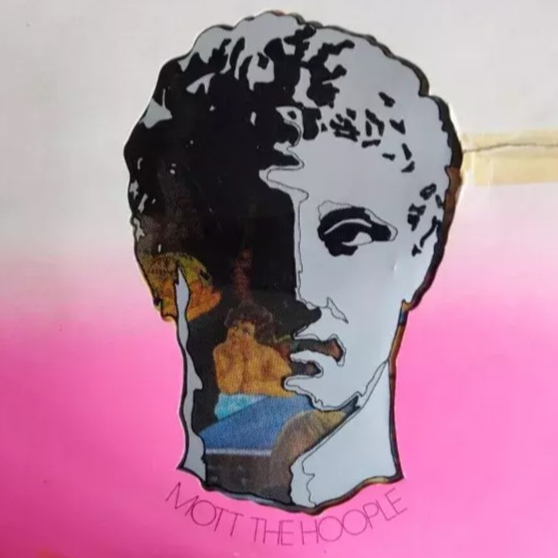
- Dec 5, 1972
- 3 min read
In the vibrant glow of 1972, Mott The Hoople were on the brink of breakthrough thanks to David Bowie’s gift of “All The Young Dudes.” Riding that momentum, the band delivered another raw, anthemic glam-rock track with “One Of The Boys.” Co-written by Ian Hunter and Mick Ralphs, the song captured the band’s gritty, streetwise energy and defiant attitude, perfectly blending Bowie’s glam influence with Mott’s hard-rocking roots.
Released on December 5, 1972, the single appeared on Columbia Records under catalogue number 4-45754. Backed with “Sucker,” this US 7-inch release served as a powerful follow-up to their Bowie-produced hit and helped solidify Mott The Hoople’s place in the glam rock movement. The single was also issued in Canada, Germany, and the Netherlands.
Label: Columbia Records
Catalogue Number: 4-45754
Format: 7" Vinyl Single (Push-Out/Solid Centre)
Released: December 5, 1972 (US)
🔘 Track List
US 7" Single — Columbia – 4-45754 — 1972
A. One Of The Boys
B. Sucker
Written by:
- One Of The Boys: Ian Hunter / Mick Ralphs
- Sucker: Ian Hunter / Mick Ralphs / Pete Watts / Verden Allen / Dale Griffin
Produced by: David Bowie
Recorded: 1972
🔘 Key Highlights
• Released December 5, 1972 (US)
• Produced by David Bowie as a follow-up to “All The Young Dudes”
• Co-written by Ian Hunter and Mick Ralphs
• Raw glam-rock anthem showcasing Mott The Hoople’s tough, anthemic sound
• Also issued in Canada, Germany, and the Netherlands
🔘 The Story
After David Bowie rescued Mott The Hoople from near-breakup by writing and producing “All The Young Dudes,” the band continued working with him on material for their album *All The Young Dudes*. “One Of The Boys” emerged as a fierce, stomping glam-rock track that reflected the band’s working-class swagger and rebellious spirit. Ian Hunter’s distinctive vocals and Mick Ralphs’ riff-driven guitar gave the song its gritty edge, while Bowie’s production added just the right touch of glam polish.
The B-side “Sucker” offered a slower, moodier contrast, highlighting the band’s versatility. Though not as commercially massive as “All The Young Dudes,” “One Of The Boys” became a fan favourite and further cemented Mott The Hoople’s association with the glam rock scene. The single helped keep the band in the spotlight during one of the most exciting periods in British rock.
🔘 Variants (UK)
• 7", 45 RPM, Push-Out Centre — Columbia – 4-45754 — US — 1972
• 7", 45 RPM, Solid Centre — Columbia – 4-45754 — US — 1972
• Also released in Canada, Germany, and the Netherlands
🔘 Chart Performance
UK — Official Singles Chart
Did not chart in the UK.
Total Weeks: 0
🔘 Context & Notes
• A-side: “One Of The Boys” – raw, riff-heavy glam-rock anthem co-written by Ian Hunter and Mick Ralphs.
• B-side: “Sucker” – slower, atmospheric track providing strong contrast to the energetic A-side.
• Production: David Bowie – continuing his successful collaboration with the band after “All The Young Dudes.”
• Sleeve notes: Standard Columbia company sleeve.
• Historical placement: Released during the height of the glam rock era, bridging Mott The Hoople’s pre-Bowie sound with their new commercial direction.
• Reissues / compilation appearances: Features on Mott The Hoople compilations and reissues of the *All The Young Dudes* album.
🔘 Related Material
• All The Young Dudes (1972)
• All The Way From Memphis (1973)
• All The Young Dudes (1972 album)
• Honaloochie Boogie (1973)
🔘 Discography
All The Young Dudes — 1972
One Of The Boys – Single: 1972
All The Way From Memphis — 1973
Honaloochie Boogie — 1973
🔘 Mini‑Timeline
✦ 1972 — Recorded during sessions with David Bowie
✦ December 5, 1972 — US single released
✦ Did not enter UK Singles Chart
🔘 Glam Flashback
With Bowie’s golden touch and Mott’s gritty swagger, “One Of The Boys” roared out of 1972 as another defiant glam-rock anthem for the boys on the street.
🔘 Sources
Primary reference sources: Columbia Records, Discogs, Official Charts Company, contemporary music-press documentation, archival references


Comments