


🔘 Wonder Girl – Single: Nov. 1972
- Sparks
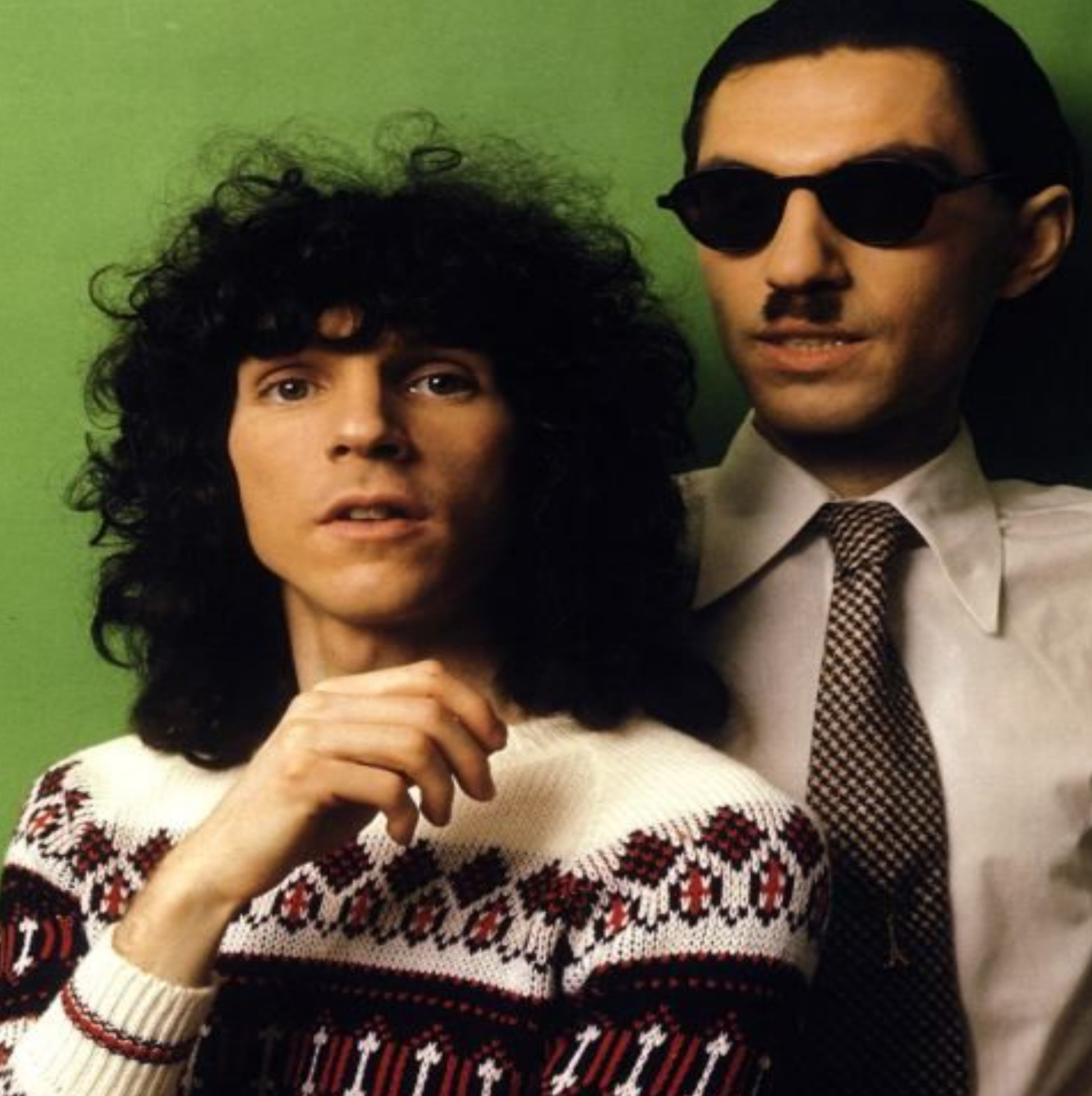
- Nov 10, 1972
- 2 min read


A quirky, off‑kilter burst of art‑pop eccentricity, “Wonder Girl” introduced Sparks’ unmistakable blend of theatrical vocals, angular melodies, and wry humour to UK audiences — a glimpse of the idiosyncratic brilliance that would soon define their career.
Released on November 10, 1972, the single marked Sparks’ first UK release, issued by Bearsville Records under catalogue number K 15505. Originally recorded during the *Halfnelson* era, the track showcased the Mael brothers’ early fascination with baroque pop, glam‑leaning textures, and surreal lyricism. Backed with “(No More) Mr Nice Guys,” the single offered a sharp, witty counterpoint that further highlighted the band’s emerging identity. Although it did not chart in the UK, “Wonder Girl” became an important early milestone in Sparks’ evolution.
Label: Bearsville Records
Catalogue Number: K 15505
Format: 7" Vinyl Single (Solid Centre)
Released: November 10, 1972 (UK)
🔘 Track List
UK 7" Single — Bearsville – K 15505 — 1972
A. Wonder Girl
B. (No More) Mr Nice Guys
Written by: Ron Mael
Produced by: Todd Rundgren
Recorded: 1971–72
🔘 Key Highlights
• Released November 10, 1972
• Sparks’ first UK single
• B-side: Early Sparks favourite
• Chart performance: Did not chart in the UK
• Recorded at: 1971–72 Bearsville sessions
🔘 The Story
Before their breakthrough with “This Town Ain’t Big Enough for Both of Us,” Sparks were already crafting a sound unlike anything else in early‑’70s rock. “Wonder Girl,” originally released under their earlier name *Halfnelson*, showcased their emerging identity: arch, melodic, eccentric, and defiantly left‑field.
Russell Mael’s soaring, theatrical vocal delivery paired with Ron Mael’s angular songwriting created a sound that felt both glam‑adjacent and entirely its own. Todd Rundgren’s production added polish without diluting the band’s eccentricity.
The B‑side, “(No More) Mr Nice Guys,” offered a sharper, more sardonic edge — a sign of the wit and bite that would become Sparks’ trademark.
Though the single did not chart, it laid the groundwork for the band’s cult following and their eventual rise to international acclaim.
🔘 Variants (UK)
• 7", 45 RPM, Single — Bearsville – K 15505 — UK — 1972
• 7", 45 RPM, Promo — Bearsville – K 15505 — UK — 1972
• Issued in standard Bearsville company sleeve
🔘 Chart Performance
UK — Official Singles Chart
Did not chart


🔘 Context & Notes
• A-side: Early Sparks art‑pop single
• B-side: Fan‑favourite early track
• Production: Todd Rundgren
• Sleeve notes: Standard Bearsville company sleeve
• Historical placement: Sparks’ first UK single, predating their glam‑era breakthrough
• Reissues / compilation appearances: Included on various early Sparks collections
🔘 Related Material
• *Halfnelson* (1971)
• *A Woofer in Tweeter’s Clothing* (1972)
• “This Town Ain’t Big Enough for Both of Us” (1974)
• “Amateur Hour” (1974)
🔘 Discography
Wonder Girl — 1972
Girl from Germany — 1972
This Town Ain’t Big Enough for Both of Us — 1974
Amateur Hour — 1974
🔘 Mini‑Timeline
✦ 1971–72 — Recorded during Bearsville sessions
✦ Nov 10, 1972 — UK single released
✦ 1972–73 — Gains cult attention despite no chart placement
🔘 Glam Flashback
A quirky, art‑pop spark — eccentric, melodic, and unmistakably early Sparks.
🔘 Sources
Primary reference sources: Bearsville Records, Discogs, contemporary music‑press documentation, archival references.


Comments