


📰T. Rex — Carnegie Hall Concert: Feb.1972
- T.Rex
- Feb 27, 1972
- 4 min read

Marc Bolan brings T. Rex’s Electric Warrior era to New York’s most prestigious stage.
A heavily promoted, highly anticipated T. Rex concert at Carnegie Hall becomes one of the most debated glam‑rock moments of 1972, drawing both ecstatic fans and a sharply critical New York Times review.
📰 Key Highlights
• Carnegie Hall performance during the Electric Warrior era
• Supported by Jackie Lomax
• Verified partial setlist includes “Jeepster” and “Get It On”
• Contemporary New York Times review criticises the show’s substance
• A defining moment in T. Rex’s attempt to break the U.S. market
📰 Overview
On February 27, 1972, T. Rex performed at Carnegie Hall at the height of their UK fame. The concert was part of the Electric Warrior tour and represented Marc Bolan’s most ambitious attempt to conquer the American market. The show was heavily advertised across New York, creating an atmosphere of hype and expectation. While fans celebrated the arrival of Britain’s reigning glam‑rock act, critics were divided — most notably the New York Times, which published a scathing review two days later.
📰 Source Details
Publication / Venue: Carnegie Hall, New York
Date: February 27, 1972
Issue / Format: Live concert
Provenance Notes: Setlist and concert details verified via setlist.fm and Concert Archives.
📰 The Story
T. Rex’s Carnegie Hall concert arrived at a moment when Marc Bolan was being hailed as Britain’s newest rock superstar. The band’s singles “Hot Love,” “Get It On,” and “Jeepster” had dominated UK charts, and Bolan’s glitter‑drenched persona was reshaping the sound and style of early glam rock. New York promoters seized the moment, saturating the city with radio spots, newspaper ads, and street‑level publicity to position the show as a major cultural event.


Photographs courtesy of Marc Bolan - The King of the Rumbling Spires Gary Nichols
The concert itself, however, became a point of contention. While fans embraced Bolan’s charisma and the band’s electric energy, The New York Times ran a sharply critical review on February 29, 1972, titled “T. Rex, No. 1 British Rock Group, Fails to Live Up to Its Publicity.” The reviewer argued that Bolan relied too heavily on mannerisms borrowed from Mick Jagger, Alice Cooper, and Iggy Pop, suggesting that the performance lacked musical depth. Bolan’s stage outfit — a white satin and lamé suit worn over a T‑shirt printed with his own face — was described as unintentionally humorous, then unsettling.
Despite the criticism, the concert remains a landmark moment in T. Rex history. Carnegie Hall symbolised legitimacy and prestige, and Bolan’s appearance there signalled his ambition to transcend pop stardom and enter the American rock pantheon. The verified portion of the setlist confirms performances of “Jeepster” and “Get It On,” two of the band’s biggest hits, with additional songs likely drawn from Electric Warrior and the then‑new The Slider sessions.
The night stands today as a snapshot of glam rock’s early transatlantic tensions: adored in Britain, scrutinised in America, and forever caught between hype and reinvention.
📰 Visual Archive

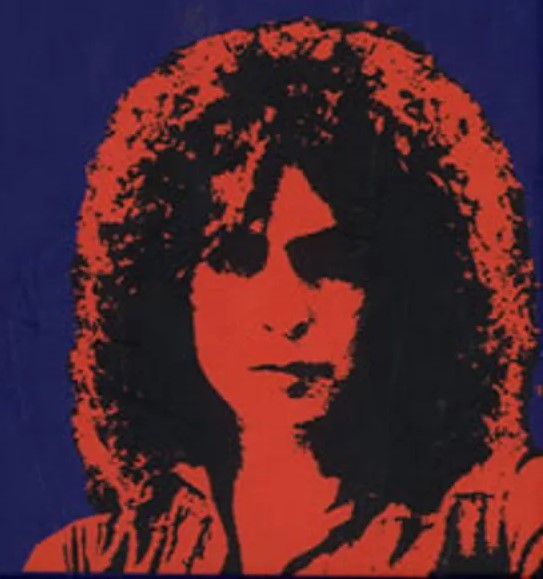
T. Rex’s Carnegie Hall appearance, promoted as a major glam‑rock event in early 1972.


Electric Warrior Tour – U.S. Leg – 1972
• Venue milestone: Carnegie Hall
• Support act: Jackie Lomax
• Partial setlist verified (Jeepster, Get It On)
📰 Related Material
Explore the tags below for connected posts and themes.
📰 Closing Notes
The Carnegie Hall concert remains one of the most mythologised moments in T. Rex’s American story — a night where glam rock met New York prestige, and where Marc Bolan’s ambitions collided with the realities of U.S. critical reception.
📰 Sources
• setlist.fm — T. Rex Setlist at Carnegie Hall, Feb. 27, 1972
• Concert Archives — T. Rex & Jackie Lomax, Feb. 27, 1972 Concert Archives
• The New York Times, Feb. 29, 1972 — contemporary concert review
📝 Copyright Notice
All concert adverts, photographs, and original text excerpts referenced in this entry remain the property of their respective copyright holders. This Chronicle entry is a transformative, non‑commercial archival summary created for historical documentation and educational reference. No ownership of the original material is claimed or implied
T. Rex, No.1 British Rock Group, Fails to Live Up to Its Publicity
By Don Heckman
Feb. 29, 1972
T. Rex, No.1 British Rock Group, Fails to Live Up to Its Publicity
Credit...The New York Times Archives
About the Archive
This is a digitized version of an article from The Times’s print archive, before the start of online publication in 1996. To preserve these articles as they originally appeared, The Times does not alter, edit or update them.
Occasionally the digitization process introduces transcription errors or other problems; we are continuing to work to improve these archived versions.
Smoking spotlights on 57th Street, virtually nonstop radio announcements, heavy newspaper advertising — the aura surrounding T. Rex's first Carnegie Hall concert Sunday night had all the elements of hyped superstardom. Too bad the results couldn't justify the means.
T. Rex is England's most popular rock group at the moment, and the lead singer, Mark Bolan, has been touted from all sides as the “new Mick Jagger.” On the evidence of the Carnegie Hall performance, the popularity and the reputation would have to be based on something a bit more intangible—a notable absence of other new talent, for example, or a desperate need to hang on to the vestiges of the rock ‘n roll dream.
Mr. Bolan is a performer who builds an illusion of style with an almost total lack of substance. He struts back and forth in Mick Jagger's patented drum major routine, he tries the hand‐on‐hip bisexual mimickry of Alice Cooper and Iggy Stooge. He keeps trying to find a distinctive sound like Rod Stewart's.
But it's all for naught. One is constantly aware of the mannerism rather than the music, of the self‐consciousness rather than the total, energetic performance. And the ego behind it all—underneath his white satin and lame suit Mr. Bolan wore a T‐shirt with a picture of himself printed on the front —was first of all humorous and then simply disturbing.


Comments