


🔘 Talk Talk – Single: 1980
- Alice Cooper(solo)
- Sep 1, 1980
- 5 min read
Updated: 2 days ago
eleased in 1980, Talk Talk emerged from Cooper’s early‑’80s pivot into wiry, minimalist new‑wave energy — a transitional moment between the theatrical excess of the ’70s and the clipped, militaristic bite that would define Special Forces. The single captures the era’s dry humour, jagged rhythms, and stripped‑back production, offering a snapshot of Cooper experimenting restlessly as he moved into one of the most unpredictable phases of his career.
Alice Cooper’s "Talk Talk" backed with "Dance Yourself to Death", was released as a 7-inch vinyl single in the US by Warner Bros. Records (catalog number WBS49526) in September 1980.

Single Details:
A-side: Talk Talk (2:09, single edit; album version 2:09)
Written by Sean Bonniwell, originally performed by The Music Machine in 1966.
A fast-paced, new wave cover with a punk edge, featuring Cooper’s sneering vocals, jangly guitars, and a stripped-down production. The lyrics, about romantic frustration and communication'
Produced by Roy Thomas Baker, the track was shortened slightly for radio play, emphasizing its raw energy and aligning with the early 1980s new wave trend.
Released as the second single from Flush the Fashion, it did not chart in the US or UK, reflecting Cooper’s struggle to regain mainstream traction during this period. Its lack of chart success was partly due to the shift away from his signature shock rock sound, which alienated some fans.
B-side: Dance Yourself to Death (3:25)
Written by Alice Cooper and Frank Langford (a pseudonym for manager Shep Gordon, as confirmed by Discogs).
A quirky, new wave-influenced rock track from Flush the Fashion, with a danceable beat and darkly humorous lyrics about exhaustion and escapism: “Dance yourself to death / You don’t have to take a breath.” The song features a tight rhythm section and Cooper’s theatrical delivery, blending punk energy with his characteristic flair.
Also produced by Roy Thomas Baker, it showcases the album’s experimental tone, with contributions from musicians like Davey Johnstone (guitar) and Fred Mandel (keyboards).
Background and Context: Alice Cooper (born Vincent Furnier, February 4, 1948) was transitioning into a new phase of his career in 1980. After the original Alice Cooper band disbanded in 1975, he pursued a solo career, achieving success with albums like Welcome to My Nightmare (1975) and hits like "Only Women Bleed." However, by the late 1970s, personal struggles with alcoholism and less commercially successful albums like Lace and Whiskey (1977) and From the Inside (1978) led to a dip in popularity. Flush the Fashion, released in April 1980, marked a shift toward a new wave and punk-influenced sound, produced by Roy Thomas Baker (known for work with Queen and The Cars). The album aimed to reposition Cooper in the changing music landscape, moving away from theatrical shock rock toward a leaner, modern rock style. "Talk Talk" was the second single from Flush the Fashion, following "Clones (We’re All)," and reflected this new direction.
Release Information:
Released on 7" vinyl by Warner Bros. Records USA (WBS49526) in September 1980.
Matrix/Runout: Side A: XCA-9269-S; Side B: XCA-9270-S (US pressing, as noted on Discogs).
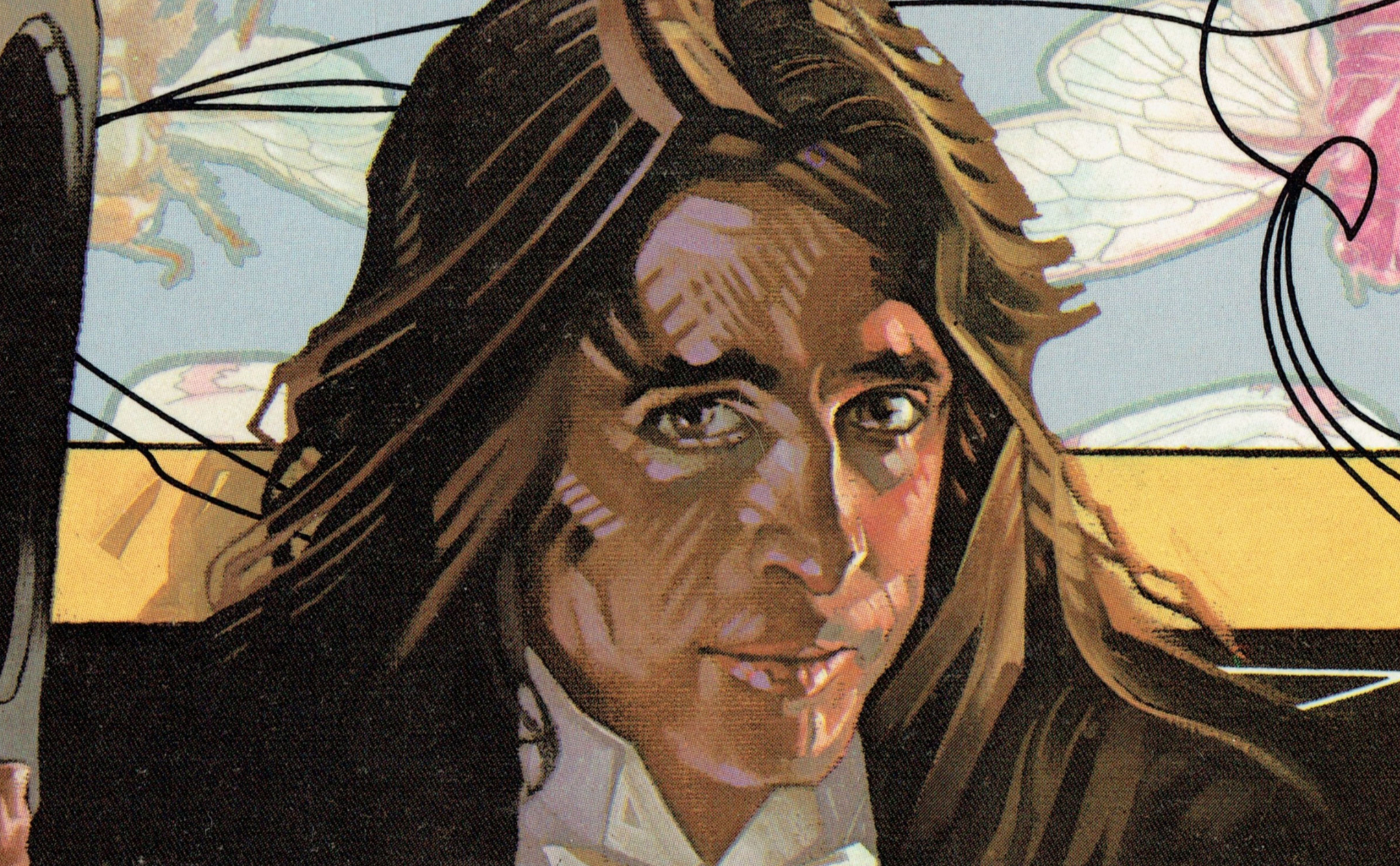
Released with a standard Warner Bros. company sleeve in the US; some international pressings (e.g., UK, Warner Bros. K 17681) used similar sleeves or minimal artwork.

Musical Style and Themes: "Talk Talk" is a punchy, new wave cover with punk-inspired energy, featuring jangly guitars and a minimalist arrangement that contrasts with Cooper’s earlier theatrical rock sound. Its short runtime and raw edge align with the early 1980s trend of blending punk and pop. "Dance Yourself to Death" is a quirky, danceable rock track with new wave influences, maintaining Cooper’s dark humor and theatricality. Both tracks reflect Flush the Fashion’s experimental shift, moving away from the shock rock of albums like Killer (1971) toward a sound influenced by bands like The Cars and Blondie. The themes explore romantic tension ("Talk Talk") and existential exhaustion ("Dance Yourself to Death"), delivered with Cooper’s sardonic wit.
Critical and Commercial Reception: "Talk Talk" received mixed reviews, with some critics praising its energetic cover but others noting it lacked the impact of Cooper’s earlier hits like "School’s Out." Its failure to chart in the US or UK reflected Cooper’s declining commercial fortunes in 1980, as new wave and punk overshadowed his traditional fanbase. Fan reviews on Discogs appreciate the single’s “raw, fun vibe” but note its obscurity, with a rating of 3.0/5 based on limited feedback. "Dance Yourself to Death" was less discussed but valued by fans for its quirky charm, fitting the album’s experimental tone. Flush the Fashion itself peaked at #44 in the US and #56 in the UK, a modest performance compared to Cooper’s 1970s peak. The single’s lack of a music video (common for the era but a disadvantage by 1980 standards) limited its promotional reach.
Legacy and Context: The "Talk Talk" / "Dance Yourself to Death" single is a minor entry in Alice Cooper’s discography, representing a transitional period before his major comeback with Trash (1989). It reflects his attempt to adapt to the new wave era, though it didn’t resonate widely with audiences. "Talk Talk" is occasionally included in live sets and appears on compilations like The Beast of Alice Cooper (1989), while "Dance Yourself to Death" remains a deep cut, valued by dedicated fans. The single is available digitally on platforms like Spotify and included in the 2008 Flush the Fashion remaster. Its collectible value is modest, with interest primarily among Cooper completists and vinyl collectors. The release ties into Cooper’s 1980-81 tours, which featured scaled-back theatrics compared to his 1970s shows but still included his signature guillotine and snake props.
Additional Notes:
- No promotional music video was produced, as videos were not yet standard for Cooper’s releases, unlike his later MTV-driven singles.
- Released internationally in markets like Australia, Germany, and Canada, with minor variations in catalog numbers and sleeves.
- The single’s release coincided with Cooper’s personal struggles, including ongoing battles with alcoholism, which impacted his career until his recovery in the mid-1980s.
Sources and Verification: Information is drawn from my knowledge of Alice Cooper’s discography and supplemented by web sources, including Discogs, Rate Your Music, AllMusic, and Wikipedia. Release details are confirmed by 45cat and Musik-Sammler.de. The release date is verified by Discogs listings.
Released Variants:
(7", 45 RPM, Single) Warner Bros. Records WB 17 697 Germany 1980 (only release in a picture sleeve)
A “Talk Talk” 2:08
B “Dance Yourself to Death” 3:10
(7", 45 RPM, Single) Warner Bros. Records WBS 49526 US 1980
A “Talk Talk” 2:08
B “Dance Yourself to Death” 3:10
(7", 45 RPM, Single, Promo, Stereo, Mono) Warner Bros. Records WBS 49526 US 1980
A “Talk Talk” 2:08
A “Talk Talk” 2:08
(7", 45 RPM, Single, Promo) Warner Bros. Records WBS 49526 Canada 1980
A “Talk Talk” 2:08
B “Dance Yourself to Death” 3:09
(7", 45 RPM, Single) Warner Bros. Records WBS 49526 Canada 1980
A “Talk Talk” 2:08
B “Dance Yourself to Death” 3:09


Comments