


📰 Three Years On – 4 Pages: Mar. 1973
- Rod Stewart
- Mar 1, 1973
- 3 min read
Updated: Mar 13
Rock Scene Magazine
Date: March 1973
Length: 6–7 min read
A snapshot of Rod Stewart as he steps out of the Jeff Beck era and into his own legend.
A portrait of a singer still rising, still restless, and still shaping the voice that would define British rock in the early ’70s.
Rod Stewart looking back — and forward — three years into his solo ascent.
From ambulance‑ride gigs to the breakthrough of Every Picture Tells A Story, Stewart recounts the strange, scrappy, and soulful path that led him from London schoolboy footballer to one of rock’s most distinctive voices.
The article captures him at a moment of reflection, humour, and renewed confidence.
📰 Key Highlights
• Early life: London roots, schoolboy football, first performances
• First professional gig with Jimmy Powell & The Five Dimensions
• Steam Packet years with Baldry, Auger, Driscoll, Waller
• Jeff Beck Group era: two albums, seven U.S. tours
• Solo breakthrough: Maggie May, Every Picture Tells A Story, Faces involvement
📰 Overview
Published in Rock Scene Magazine’s March 1973 issue, Three Years On traces Rod Stewart’s evolution from a young London musician to an international star. The feature blends biography, career milestones, and candid reflections, offering a rare look at Stewart before superstardom fully crystallised.
The article situates Stewart at a transitional moment: post‑Jeff Beck, post‑Steam Packet, and riding the massive success of Maggie May. It highlights his influences, his songwriting process, and his ambivalence toward fame — a mix of swagger, humility, and self‑awareness.
Rock Scene’s coverage captures the energy of Stewart’s early ’70s rise, documenting both the grind and the glory of his ascent.
📰 Source Details
Publication / Venue: Rock Scene Magazine
Date: March 1973
Format: Multi‑page Feature Profile
📰 The Story
The feature opens with Stewart’s early biography: born in London in 1945, a schoolboy footballer who represented England internationally before turning to music. His first professional gig — singing with Jimmy Powell & The Five Dimensions — placed him on the same bill as the Rolling Stones, foreshadowing the company he would soon keep.
The article charts his time with Steam Packet, a powerhouse lineup featuring Long John Baldry, Brian Auger, Julie Driscoll, and Mick Waller. These years sharpened his stagecraft and vocal identity, setting the foundation for his later work.
Stewart’s tenure with the Jeff Beck Group forms the next chapter: two albums, seven American tours, and a growing reputation as one of rock’s most compelling frontmen. Yet it wasn’t until his solo career — and the release of The Rod Stewart Album, Gasoline Alley, and Every Picture Tells A Story — that his artistic voice fully emerged.
The piece culminates with the explosion of Maggie May, a single that sold over 2.5 million copies and defined Stewart’s early ’70s sound. Stewart reflects on songwriting, influences (especially Sam Cooke), and his ongoing work with Faces, insisting he never wanted to lead a band — only to make the music feel good.
📰 Visual Archive


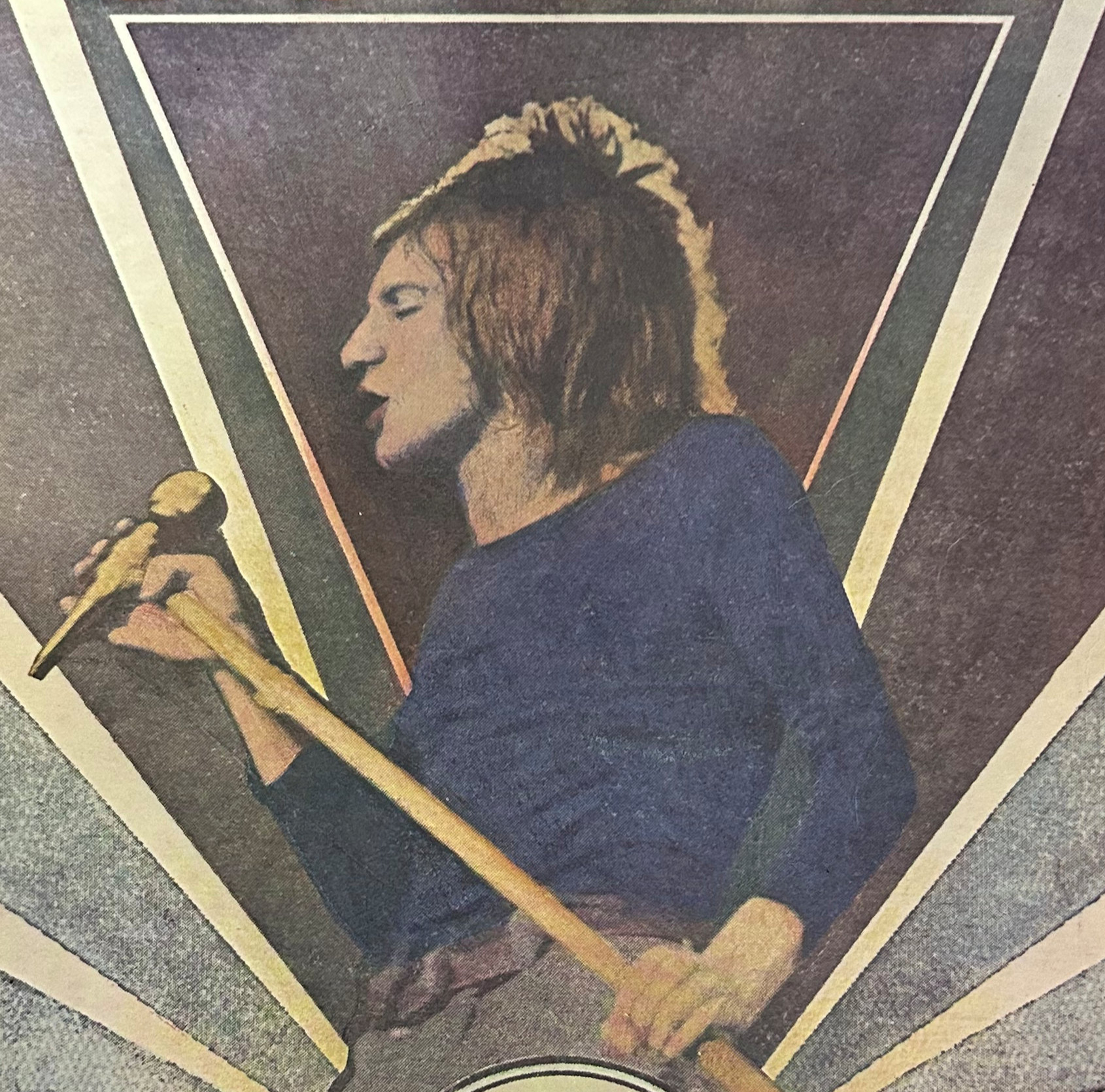
A four‑page Rock Scene Magazine layout featuring:
Rod Stewart in Rock Scene Magazine’s Three Years On feature — March 1973.
📰 Related Material
• Every Picture Tells A Story (1971)
• Jeff Beck Group – U.S. Tours (1968–69)
• Faces – Early ’70s Live Performances
📰 Closing Notes
Three Years On captures Rod Stewart at a pivotal moment — confident but not yet complacent, successful but still hungry. It’s a portrait of an artist refining his craft, embracing his influences, and stepping into the sound that would define his career for decades to come.
All magazine scans, photographs, and original text excerpts referenced in this entry remain the property of their respective copyright holders. This Chronicle entry is a transformative, non‑commercial archival summary created for historical documentation and educational reference. No ownership of the original material is claimed or implied.


Comments