


🔘 YOUNG AMERICANS – Album: Mar. 1975
- David Bowie
- Mar 21, 1975
- 4 min read
Updated: Apr 10
A bold, soulful reinvention recorded between Philadelphia and New York — Bowie’s “plastic soul” masterpiece arrives with swagger, smoke, and a new American groove.
A transatlantic transformation in real time.
Label: RCA Victor – RS 1006
Date: March 21, 1975
Tracklist: 8 tracks
Length: Approx. 12–14 min read
🔘 – Overview
Young Americans marks one of the most dramatic stylistic pivots of Bowie’s career. Leaving behind the glam theatrics of Diamond Dogs, he immersed himself in the sound of American soul, funk, and R&B — a shift he later described as “the definitive plastic soul record.” Recorded between August 1974 and January 1975, the album captures Bowie absorbing the energy of Philadelphia’s Sigma Sound Studios and the creative pulse of mid‑’70s New York.
The album’s release on 7 March 1975 introduced a new Bowie: looser, groovier, and steeped in the rhythms of Black American music. With contributions from Luther Vandross, Carlos Alomar, David Sanborn, and John Lennon, Young Americans became a transatlantic hybrid — part Philly soul, part New York cool, part Bowie futurism.
Commercially, the album was a breakthrough in the United States, driven by the success of “Fame,” Bowie’s first U.S. No. 1. In the UK, it reached No. 2 and cemented Bowie’s reputation as a restless, shape‑shifting innovator.
🔘 – The Story
The sessions for Young Americans began in August 1974 at Sigma Sound Studios in Philadelphia, where Bowie surrounded himself with a predominantly African American soul and funk ensemble. Luther Vandross, then an emerging talent, contributed backing vocals and vocal arrangements that would become central to the album’s sound. Guitarist Carlos Alomar, bassist Willie Weeks, and drummer Andy Newmark formed the rhythmic backbone of the project.
Tracks such as “Young Americans,” “Win,” and “Right” emerged from these sessions — smoky, rhythmic, and steeped in the warmth of Sigma’s signature sound. Bowie’s lyrics shifted toward social commentary, relationships, and American identity, reflecting his growing fascination with U.S. culture.
Later sessions at the Record Plant and Electric Lady in New York brought a new collaborator into the fold: John Lennon. Together with Alomar, Bowie and Lennon co‑wrote “Fame,” a sharp, funky critique of celebrity culture that became Bowie’s first U.S. chart‑topper. Lennon also contributed guitar and vocals to “Across the Universe,” reimagined here with a soulful, Bowie‑esque twist.
The album’s production credits reflect its layered creation: Tony Visconti, Harry Maslin, and Bowie himself each shaped different portions of the record. The result is a hybrid of studio atmospheres — the sweat and groove of Philadelphia blended with the sharp edges of New York.
Over the decades, Young Americans has been remastered multiple times, with notable reissues in 1991 (Rykodisc), 1999 (EMI/Virgin), and 2016 (Parlophone). Each edition has revealed new facets of the album’s sonic architecture, but the 1975 UK pressing remains the definitive original.
🔘 – Key Highlights
• Bowie’s ninth studio album, released 7 March 1975
• Recorded at Sigma Sound (Philadelphia) and Record Plant/Electric Lady (NYC)
• Features “Fame” — Bowie’s first U.S. No. 1 single
• Backing vocals by Luther Vandross, Ava Cherry, Robin Clark, and more
• UK chart peak: No. 2 (12 weeks on chart)
🔘 – Track List
Side A
Young Americans
Win
Fascination
Right
Side B
Somebody Up There Likes Me
Across the Universe
Can You Hear Me
Fame
🔘 – Variants (UK)
1975 UK Variants (RCA Victor – RS 1006):
• LP, Album, Stereo, No “Stereo” on labels
• LP, Album, Stereo, MainMan logo, Stereo labels
• LP, Album, Stereo, Orange labels
• LP, Album, MainMan logo, Stereo labels
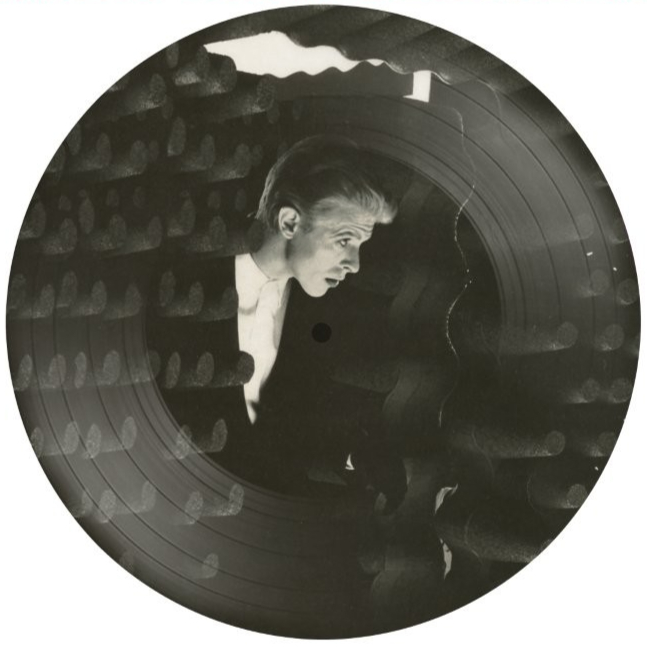
• LP, Album, White Label, Stereo (promo/test pressing)
• LP, Album, Test Pressing
• Cassette, Album, Orange Paper Labels — RCA PK 11678
• Cassette, Album, Black Shell, Orange Labels — RCA PK 11678
• Cassette, Album, Alternative Cover — RCA PK 11678
• 8‑Track Cartridge — RCA P8S 11678
🔘 – Chart Performance
UK Albums Chart
• Entry: 15 April 1975
• Peak: No. 2
• Weeks on Chart: 12
Singles:
• “Young Americans” — US No. 28
• “Fame” — US No. 1
🔘 – Context & Notes
• Produced for MainMan
• Backing vocals by Luther Vandross, Ava Cherry, Robin Clark, Warren Peace
• Guitar by Carlos Alomar and Earl Slick
• Saxophone by David Sanborn
• Engineers include Harry Maslin, Eddie Kramer, Carl Paruolo
• Represents Bowie’s shift from glam rock to soul and R&B
• Bowie described the album as his “protest album”
• Multiple remasters: 1991 (Rykodisc), 1999 (EMI/Virgin), 2016 (Parlophone)
🔘 – Visual Archive


The cover features Bowie in soft, dramatic lighting, leaning forward with a cigarette in hand. His hair is styled in a voluminous reddish‑blonde sweep, with smoke curling upward against a dark backdrop. The album title appears above his name in stylized lettering.
Bowie took inspiration from a portrait of Toni Basil featured on the cover of the September 1974 issue of After Dark magazine. Basil had recently collaborated with him as the choreographer for the Diamond Dogs Tour, and the photo was captured by photographer Eric Stephen Jacobs.

🔘 – Related Material
• Diamond Dogs (1974)
• Station to Station (1976)
• “Fame” (1975)
🔘 – Discography
Previous Release: Diamond Dogs (1974)
This Release: Young Americans (1975)
Next Release: Station to Station (1976)
🔘 – Mini‑Timeline
• Aug 1974 — Sigma Sound sessions begin
• Jan 1975 — New York sessions with John Lennon
• 7 Mar 1975 — Album released
• Apr 1975 — UK chart peak at No. 2
🔘 – Glam Flashback
Bowie arrived in Philadelphia still wearing the last traces of glam — but left with a new identity shaped by soul, sweat, and the Sigma Sound rhythm section.
🔘 – Closing Notes
Young Americans stands as one of Bowie’s most daring reinventions — a soulful, groove‑driven pivot that reshaped his career and expanded his global reach. The 1975 UK pressing remains a cornerstone for collectors and a testament to Bowie’s fearless evolution.
🔘 – Sources
• RCA Victor catalogue data
• Official Charts Company
• Discogs
• Wikipedia (contextual background)
🔘 – Copyright Notice
All album artwork, photographs, and original text excerpts referenced in this entry remain the property of their respective copyright holders. This Chronicle entry is a transformative, non‑commercial archival summary created for historical documentation and educational reference. No ownership of the original material is claimed or implied.


Comments