


🔘 BRONTOSAURUS – Single: Mar. 1970
- Wizzard
- Mar 6, 1970
- 5 min read
A thunderous, swaggering pivot point for The Move, “Brontosaurus” marked Roy Wood’s transformation into a heavier, stranger, more theatrical force — and quietly signalled the embryonic rise of the Electric Light Orchestra.
The Move embrace distortion, theatre, and reinvention.Label: Regal Zonophone (RZ 3026 — Solid Centre / Push‑Out Centre / Promo / Emidisc Acetate)
Date: March 6, 1970
Tracklist: 2 tracks
Length: 7–8 min read
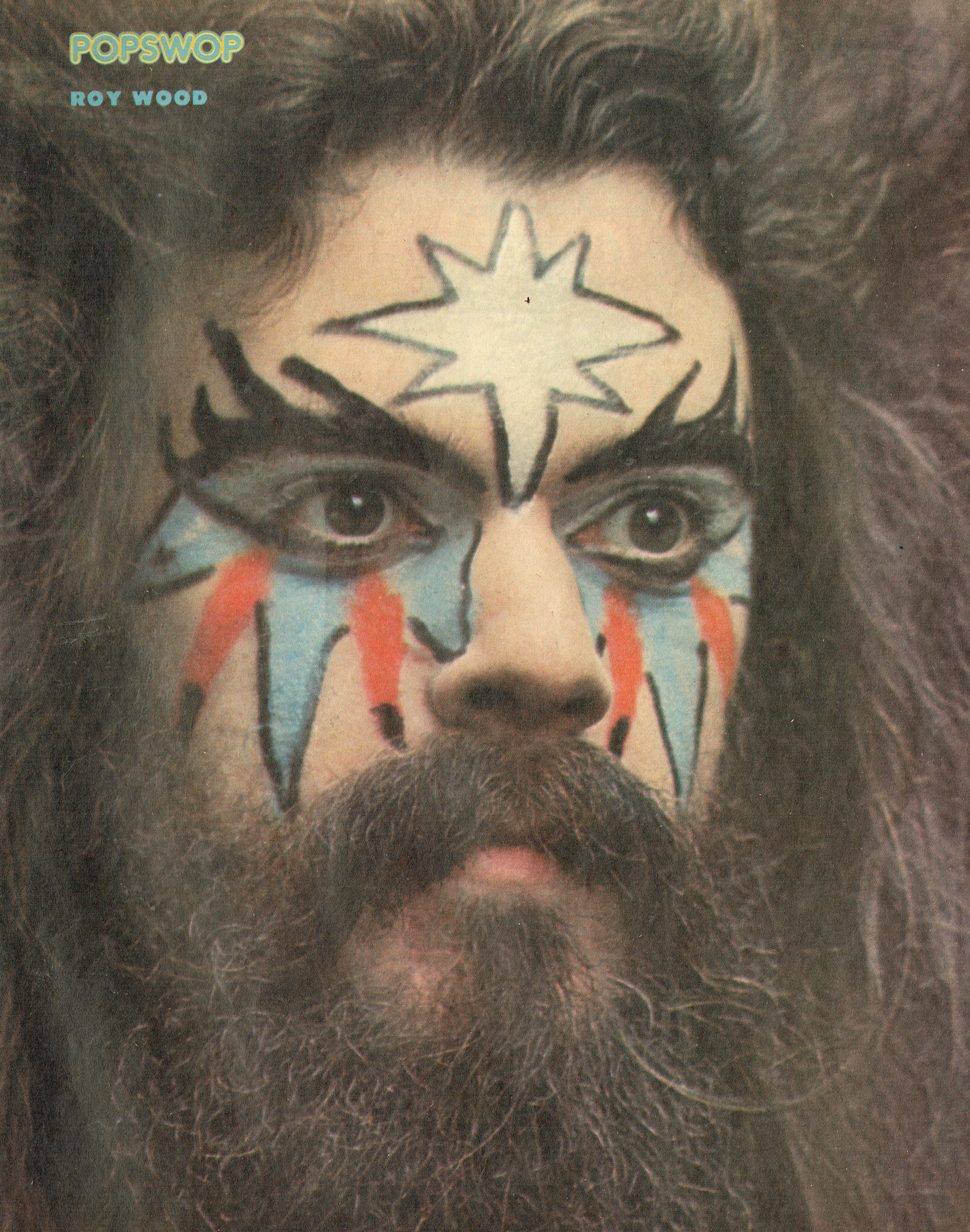
Released on March 6, 1970, “Brontosaurus” was The Move’s first single to fully embrace the heavier, distorted, proto‑glam sound that would define Roy Wood’s next decade. Backed with “Lightnin’ Never Strikes Twice,” the single roared into the UK Top 10 and introduced Wood’s new visual persona — makeup, wild hair, and theatricality — on Top of the Pops.
🔘 – Key Highlights
• Released March 6, 1970 on Regal Zonophone
• Written, sung, and produced by Roy Wood
• Reached No. 7 on the UK Singles Chart
• First Move single promoted with Wood in full makeup on Top of the Pops
• Early indicator of the sonic direction that would lead to Wizzard and ELO
🔘 – Overview
“Brontosaurus” arrived during a period of upheaval for The Move. Jeff Lynne had just joined the band, recruited to help Roy Wood develop the earliest blueprint of the Electric Light Orchestra. But contractual obligations required The Move to continue releasing singles, and “Brontosaurus” became the first product of this transitional era.
The single marked a dramatic shift away from the band’s earlier pop‑leaning material. Wood’s snarling vocal, fuzz‑drenched guitar, and lumbering riff signalled a new heaviness, closer to the sound of their Shazam album than their late‑’60s hits. The B‑side, “Lightnin’ Never Strikes Twice,” continued this harder direction.
The single’s promotion became legendary: when The Move appeared on Top of the Pops, Roy Wood — performing as frontman for the first time — debuted the flamboyant makeup style he would later use extensively with Wizzard.
🔘 – The Story
“Brontosaurus” stands as one of the most significant turning points in The Move’s evolution. Written, sung, and produced entirely by Roy Wood, the single was released on March 6, 1970 as the lead preview for the band’s third studio album, Looking On. Although the album wouldn’t arrive until December 11 that year, “Brontosaurus” set the tone for the heavier, more experimental direction the band was about to take.
The track’s sonic identity was a deliberate break from the past. Gone were the bright, melodic pop sensibilities of earlier Move singles. In their place came a snarling vocal delivery, a distorted, lumbering guitar riff, and a sense of controlled chaos that aligned more closely with the band’s Shazam era. This shift was no coincidence: the song was recorded shortly after Jeff Lynne — formerly of The Idle Race — joined the group. Lynne had been brought in to help Wood develop the earliest blueprint of the Electric Light Orchestra, but contractual obligations required The Move to continue releasing singles to finance the new project.
This unusual situation placed “Brontosaurus” at a creative crossroads. It was technically a Move single, but its sound — heavy, ambitious, and theatrical — pointed directly toward the future. Notably, it became the only Move release after Lynne’s arrival credited solely to Roy Wood. Every subsequent Move single, and the first ELO album, would bear joint Wood/Lynne production credits.
Commercially, the single was a success. It entered the UK Singles Chart in April 1970, climbing to No. 7 and remaining on the chart for ten weeks. It also reached No. 36 in Canada, giving the band a rare international hit during this transitional period. The song’s influence extended beyond the UK: American power‑pop band Cheap Trick later recorded their own version.
The single’s promotion became instantly iconic. When The Move appeared on Top of the Pops, Roy Wood stepped forward as the group’s frontman for the first time — wearing the flamboyant makeup that would later define his Wizzard persona. It was a moment of visual reinvention that startled audiences and hinted at the theatrical glam era to come.
🔘 – Track List
A: Brontosaurus – 4:27
B: Lightnin’ Never Strikes Twice – 3:00
🔘 – Variants (UK)
• 7" Single — Push‑Out Centre (RZ 3026)
• 7" Single — Solid Centre (RZ 3026)
• 7" Promo — White Label (RZ 3026)
• 7" Acetate — Emidisc, single‑sided
🔘 – Chart Performance
UK Singles Chart:
• Peak: No. 7
• First Chart Date: April 25, 1970
• Weeks on Chart: 10
Canada:
• Peak: No. 36
🔘 – Context & Notes
• Recorded shortly after Jeff Lynne joined The Move
• Only Move single post‑Lynne credited solely to Roy Wood
• Later included on Looking On (released December 11, 1970)
• The Move shared Regal Zonophone with Tyrannosaurus Rex
• Top of the Pops performance introduced Wood’s future Wizzard makeup


🔘 – Visual Archive
A Regal Zonophone single in its original company sleeve, featuring the distinctive red label with bold white text. The A‑side displays the title “Brontosaurus,” credited to Roy Wood and produced for Straight Ahead Productions, with the catalogue number RZ 3026.
🔘 – Caption
The Move — Brontosaurus — UK Regal Zonophone RZ 3026 (1970).
🔘 – Related Material
• “Curly” (1969)
• “When Alice Comes Back to the Farm” (1970)
• Looking On (1970)
🔘 – Discography
Previous Single: “Curly” (1969)
This Release: “Brontosaurus” (1970)
Next Single: “When Alice Comes Back to the Farm” (1970)
🔘 – Mini‑Timeline
Early 1970: Jeff Lynne joins The Move
March 6, 1970: “Brontosaurus” released
April 1970: Reaches No. 7 in UK
December 1970: Appears on Looking On
1972: Wood debuts Wizzard
🔘 – Glam Flashback
Roy Wood’s Top of the Pops appearance — wild hair, face paint, theatrical swagger — was the first glimpse of the glam‑rock persona he would unleash fully with Wizzard.
🔘 – Closing Notes
A turning point in The Move’s evolution, “Brontosaurus” captures Roy Wood at the moment he embraced distortion, theatricality, and the eccentricity that would define his next decade. It stands as both a Move classic and a blueprint for the sound that would soon power Wizzard and the earliest incarnation of ELO.
🔘 – Sources
• Official Charts Company
• Regal Zonophone release documentation
• Contemporary EMI / Straight Ahead Productions notes
• Wikipedia (contextual background)
🔘 – Copyright Notice
All magazine scans, photographs, and original text excerpts referenced in this entry remain the property of their respective copyright holders. This Chronicle entry is a transformative, non‑commercial archival summary created for historical documentation and educational reference. No ownership of the original material is claimed or implied.


Comments