


📰 Lookin’ Back – Feature: Feb. 1973
- David Bowie
- Feb 17, 1973
- 3 min read
Updated: Feb 17
A two‑part NME retrospective in which Charles Shaar Murray examines David Bowie’s early albums, personas, and artistic evolution.
A dense, analytical two‑page NME feature exploring Bowie’s pre‑Ziggy catalogue — a “sinister odyssey through a treacherous landscape,” tracing the themes, characters, and transformations that shaped his early work.
📰 Key Highlights
• Two one‑page articles in New Musical Express, February 17, 1973
• Written by Charles Shaar Murray
• Part One of a multi‑week Bowie retrospective
• Includes a large performance photograph and a strip of Bowie persona portraits
• Analyses Bowie’s early albums, lyrical motifs, and evolving identities
📰 Overview
This NME feature marks the beginning of Charles Shaar Murray’s deep dive into David Bowie’s early artistic development. Published at the height of Bowie’s Ziggy Stardust fame, the article looks backward — dissecting the albums, characters, and themes that led to his breakthrough.
📰 Source Details
Publication / Venue: New Musical Express
Date: February 17, 1973
Issue / Format: Two one‑page articles (Part One)
Provenance Notes: First instalment of a multi‑part Bowie analysis.
📰 The Story
Charles Shaar Murray opens the feature by noting that Bowie’s albums are being studied with an intensity not seen since the late‑60s counterculture era — a sign of how deeply his work had begun to resonate. The article positions Bowie’s early discography as a labyrinth of shifting identities, dark narratives, and experimental soundscapes.
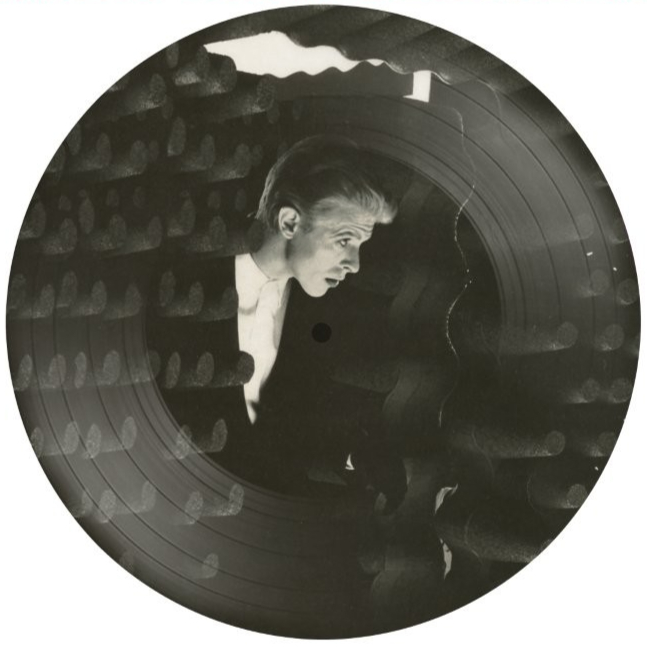
A large photograph of Bowie performing anchors the first page, accompanied by the headline:
“Sinister odyssey through a treacherous landscape.”
Murray examines Bowie’s pre‑Ziggy albums — David Bowie (1967), Space Oddity (1969), The Man Who Sold the World (1970), and Hunky Dory (1971) — tracing recurring themes of alienation, violence, dystopia, and fractured identity. He highlights Bowie’s ability to inhabit characters, noting that each album feels like a new mask, a new world, a new psychological terrain.
A strip of smaller Bowie portraits reinforces this idea of multiplicity — the chameleon already in motion before Ziggy crystallised it.
Murray quotes lyrics from “Running Gun Blues” to illustrate Bowie’s early fascination with disturbed narrators and moral ambiguity. He argues that Bowie’s work forms a continuous narrative thread, one that leads directly into the Ziggy era but is rooted in the darker, stranger material that preceded it.
The article promises that Part Two — to be published the following week — will include a direct conversation with Bowie, further exploring the evolution of his artistic identity.
In essence, “Lookin’ Back” is both a critical analysis and a cultural positioning: Bowie as an artist whose past is as compelling as his present, and whose early albums deserve the same scrutiny as his current stardom.
📰 Visual Archive


“Lookin’ Back” Part One, New Musical Express, February 17, 1973.
📰 Related Material
Explore the tags below for connected posts and themes
📰 Closing Notes
This feature captures Bowie at a moment when his past was being re‑examined with new intensity — a reminder that the Ziggy phenomenon was built on years of experimentation, reinvention, and fearless artistic risk.
📰 Sources
• New Musical Express, February 17, 1973
• Bowie early‑album chronology
• Contemporary NME critical writing
📝 Copyright Notice
All magazine scans, photographs, and original text excerpts referenced in this entry remain the property of their respective copyright holders. This Chronicle entry is a transformative, non‑commercial archival summary created for historical documentation and educational reference. No ownership of the original material is claimed or implied.


Comments