


📰 The Fightin’ Side – Feature: Feb. 1973
- Elton John
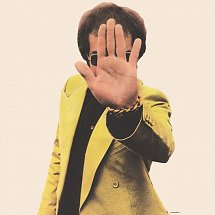
- Feb 17, 1973
- 3 min read
Updated: Feb 17
A two‑page NME profile in which Elton John discusses image, artistry, touring, and the founding of Rocket Records.
A candid, revealing NME feature capturing Elton John at a creative crossroads — reflecting on his image, his band, his American breakthrough, and his determination to reshape the music business on his own terms.
📰 Key Highlights
• Two‑page feature in New Musical Express, February 17, 1973
• Written by Danny Holloway
• Includes a large portrait of Elton in thick glasses and platform boots
• Discusses Honky Château, touring, songwriting, and band dynamics
• Introduces Rocket Records, Elton’s new artist‑first label
📰 Overview
This NME feature presents Elton John in a moment of transition — a global star balancing humour, vulnerability, and fierce artistic ambition. Danny Holloway’s interview explores Elton’s evolving image, his creative process, and his desire to build a more humane, artist‑centred corner of the music industry.
📰 Source Details
Publication / Venue: New Musical Express
Date: February 17, 1973
Issue / Format: Two‑page feature
Provenance Notes: Part of NME’s major artist‑profile series.
📰 The Story
Danny Holloway’s profile opens with Elton John perched on a plush settee, dressed in thick prescription glasses and towering platform boots — a visual embodiment of the comic‑strip flamboyance that had become part of his public persona. Elton acknowledges the contradiction immediately:
“I know I haven’t the best image for rock ’n’ roll… but most of my clothes are just for a laugh.”
The article moves between humour and introspection. Elton recalls being told he was “too fat” to jump on a piano at the Fillmore East, laughs about his early days, and then shifts into a thoughtful discussion of Honky Château. He describes the album as a turning point — the moment he decided to foreground the Davey Johnstone band and embrace a more collaborative, spontaneous approach.
Holloway traces Elton’s rise in America, his surprise at the scale of his success, and the gruelling U.S. tour that followed. Elton recounts moments of exhaustion, illness, and the pressure to perform even when the band was struggling. One anecdote — being forced to go onstage alone when the band was too sick to play — stands out as “the worst thing that ever happened to me.”
The second half of the feature pivots to Elton’s newest venture: Rocket Records. Speaking with conviction, Elton outlines his frustration with the industry’s lack of knowledge and empathy. He describes Rocket as a label built for artists, not executives — a place where creativity comes first and commercial expectations come second.
His vision is idealistic, even defiant:
• sign talented artists, not just commercial ones
• prioritise artistic freedom
• build a supportive environment rather than a competitive one
• release music that matters, not music that fits a formula
Holloway captures Elton lying back on the settee, staring at the ceiling as he describes Rocket’s mission — a portrait of a musician determined to reshape the industry from within.
The feature closes with a look ahead: Rocket’s first releases, Elton’s next solo album, and the sense that he is entering a new phase — confident, ambitious, and ready to fight for the art he believes in.
📰 Visual Archive


“The Fightin’ Side” feature, New Musical Express, February 17, 1973.
📰 Related Material
Explore the tags below for connected posts and themes
📰 Closing Notes
This feature captures Elton John at a pivotal moment — a superstar balancing humour, vulnerability, and fierce independence as he builds a new creative future with Rocket Records.
📰 Sources
• New Musical Express, February 17, 1973
• Elton John early‑1970s press interviews
• Rocket Records founding history
📝 Copyright Notice
All magazine scans, photographs, and original text excerpts referenced in this entry remain the property of their respective copyright holders. This Chronicle entry is a transformative, non‑commercial archival summary created for historical documentation and educational reference. No ownership of the original material is claimed or implied.

Comments