


🔘 Glam Flashback: Early 1972 UK Scene
- Ziggy Stardust
- Jan 1, 1972
- 2 min read
The Cultural Landscape Ziggy Was Born Into
🔘 Overview
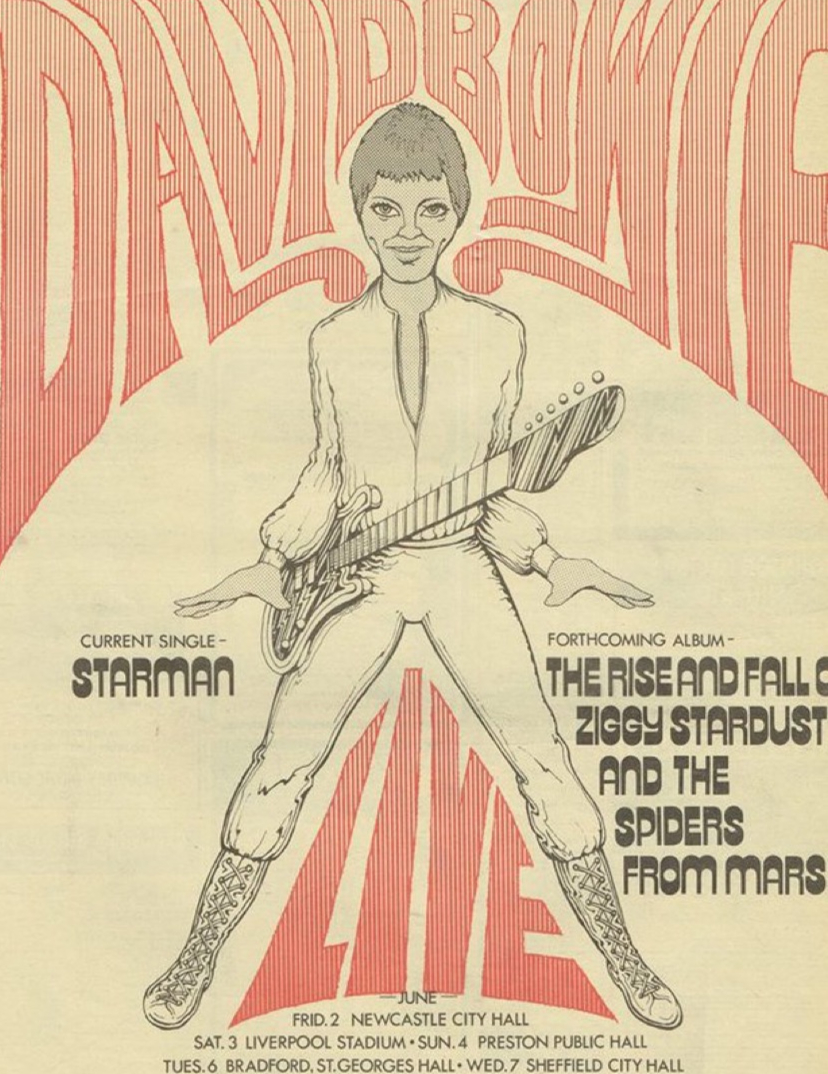
Early 1972 was a volatile, electric moment in British pop culture. Glam rock was beginning to take shape, youth culture was shifting, and the charts were dominated by colour, attitude, and theatricality. Bowie’s emergence as Ziggy Stardust didn’t happen in a vacuum — it arrived in a scene already vibrating with possibility.
🔘 Source Details
Era: January–April 1972
Context: UK charts, press, venues, cultural shifts
Primary Sources: NME, Melody Maker, BRAVO, Cann, Pegg, O’Leary
🔘 The Scene
Glam Rock Rising
T. Rex were at their peak with “Telegram Sam” and “Metal Guru.”
Slade were breaking through with “Look Wot You Dun.”
Sweet were dominating the singles charts.
Glitter, colour, and androgyny were becoming mainstream.
Venues and Circuits
Pub venues like The Toby Jug were still central to breaking acts.
Colleges and civic halls formed the backbone of touring.
London’s Rainbow Theatre was becoming a glam landmark.
Press and Publicity
NME and Melody Maker were beginning to embrace glam.
BRAVO in Germany was already glam‑obsessed.
The press loved theatricality, controversy, and visual spectacle.
Youth Culture
Fashion was shifting toward glitter, satin, and platform boots.
Androgyny was becoming a cultural talking point.
Young audiences were hungry for something new, bold, and strange.
🔘 Key Highlights
T. Rexmania set the stage for Ziggy
UK charts were dominated by glam‑leaning acts
Pub venues remained crucial for emerging artists
The press was primed for Bowie’s theatricality
Youth culture was ready for a new icon
🔘 Closing Notes
Early 1972 was the perfect storm: glam rising, youth culture shifting, and the press hungry for spectacle. Into this landscape stepped Ziggy Stardust — a character who crystallised the moment and pushed it into legend.


Comments