


David Bowie (March 17, 1979) Ruling the Airwaves & Waiving the Rules – New Musical Express
- David Bowie
- Mar 17, 1979
- 1 min read
Updated: 3 days ago
A full‑page feature from NME exploring U.S. radio promotion and music marketing, illustrated with a prominent image of David Bowie and references to his American broadcast special *An Evening with David Bowie*.
Writer: Roy Carr
Artist: David Bowie
Date: March 17, 1979
Length: 1 page feature
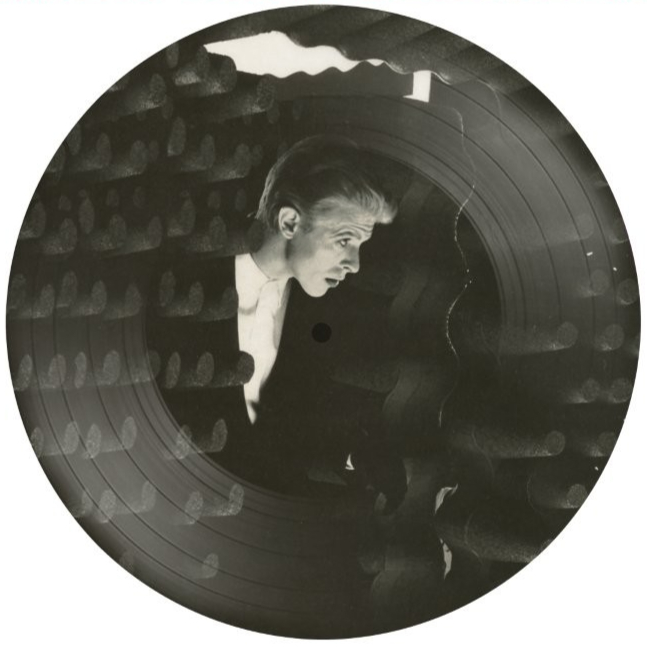
The article titled “Ruling the Airwaves & Waiving the Rules” examines how artists and labels navigate the complex world of U.S. radio promotion. Roy Carr uses David Bowie’s broadcast special as a case study in creative marketing and cross‑media strategy. The layout features a large photograph of Bowie in a fedora hat from the *An Evening with David Bowie* promotional poster, alongside smaller images of Elvis Costello and other artists. A secondary column by Nick Ralphs catalogues pirate record spin‑offs, adding context to the era’s music distribution issues. The page captures the intersection of radio, promotion, and artist branding in the late 1970s.

PUBLICATION
Publication: New Musical Express (NME)
Date: March 17, 1979
Country: United Kingdom
Section / Pages: Page 19 – Feature Article
Title: Ruling the Airwaves & Waiving the Rules
FEATURE HIGHLIGHTS
Event: Analysis of U.S. radio promotion and artist marketing strategies
Era: Late 1970s music industry and broadcast promotion
Tone: Informative and analytical
Photography: David Bowie portrait from *An Evening with David Bowie* poster plus supporting images of Elvis Costello and Angel Station album art
Audience: NME readers and music industry professionals
"Roy Carr tells you how to play the U.S. radio promotion game."
THE STORY BEHIND IT
By 1979, David Bowie was transitioning from his Berlin trilogy into a new phase of globa l visibility. His television special *An Evening with David Bowie* was part of a broader strategy to reconnect with American audiences after years of artistic experimentation. Roy Carr’s feature uses Bowie’s example to illustrate how artists could leverage radio and media to shape their public image. The piece also reflects NME’s interest in the business side of music promotion as the industry became increasingly global.
WHAT THE CLIPPING SHOWS
Event: Feature on radio promotion and David Bowie’s broadcast special
Era: 1979
Tone: Professional and insightful
Photography: David Bowie portrait and related music imagery
Audience: Music press readers and industry insiders
"And Nick Ralphs catalogues the pirate spin‑offs."
CONTEXT AND NOTES
This feature illustrates NME’s shift toward industry analysis in the late 1970s, balancing artist profiles with coverage of marketing and media trends. The inclusion of Bowie and Elvis Costello underscores the importance of British artists in the American market. The layout combines editorial depth with visual appeal, using promotional artwork to anchor the discussion of radio and record promotion
RELATED MATERIAL
• David Bowie – An Evening with David Bowie (1979 Broadcast)
• Roy Carr – NME Features on Music Promotion 1978–1980
• Elvis Costello – Late 1970s Press Coverage in NME
Additional related entries can be found via the tag index at the foot of the page.
COPYRIGHT NOTICE
All magazine scans, photographs, and original text excerpts remain the property of their respective copyright holders. This Chronicle entry is a transformative, non‑commercial archival summary created for historical documentation and educational reference. No ownership of the original material is claimed or implied.
📰 Visual Archive


Comments