


📰 Hype and The Future – Article: Mar. 1970
- David Bowie
- Mar 28, 1970
- 3 min read
Updated: Mar 28
Writer: Raymond Telford / Melody Maker
Date: March 28, 1970
Length: 6 min read
A candid, early‑career Bowie profile capturing the moment he shed the “Space Oddity” astronaut image and stepped boldly into the theatrical, collaborative world of Hype — the proto‑Ziggy band that helped shape his future.
Bowie dismantles the lonely‑spaceman myth and outlines a new artistic identity built on collaboration, character, and controlled chaos.
In this 1970 Melody Maker feature, Bowie speaks with rare clarity about the limits of “Space Oddity,” the misconceptions it created, and his determination to move beyond it. Hype becomes the vessel for that transformation — a band built on humour, exaggeration, and a deliberate rejection of rock’s self‑seriousness.
📰 Key Highlights
• One‑page Melody Maker feature dated March 28, 1970
• Bowie discusses the formation and philosophy of Hype
• Rejects expectations to repeat “Space Oddity”
• Introduces new collaborators: Visconti, Ronson, Cambridge
• Outlines a shift toward theatricality, fantasy, and band identity
📰 Overview
Early 1970 found David Bowie at a crossroads. “Space Oddity” had given him his first major hit, but it also trapped him in an image he no longer wished to inhabit — the lonely spaceman, the fragile astronaut, the man forever floating above the world. Melody Maker’s feature captures Bowie actively breaking away from that narrative.
The article centres on Hype, the short‑lived but influential band Bowie formed with Tony Visconti, Mick Ronson, and John Cambridge. More than a group, Hype was a concept: a tongue‑in‑cheek send‑up of rock pretension, a theatrical experiment, and a testing ground for the ideas that would eventually crystallise into Ziggy Stardust.
This piece documents Bowie’s transition from introspective folk‑pop to the flamboyant, character‑driven rock that would define the next decade.
📰 Source Details
Publication / Venue: Melody Maker
Date: March 28, 1970
Format: Feature / Interview
Provenance Notes: Verified via clipping date and layout; consistent with Melody Maker’s 1970 Bowie coverage.
📰 The Story
Raymond Telford’s interview opens with Bowie explaining the name Hype — a deliberate parody of the music industry’s obsession with image, seriousness, and self‑importance. Bowie positions the band as an antidote to hypocrisy, a playful counter‑movement built on humour and theatricality.
He reflects on “Space Oddity” with surprising modesty, acknowledging its success while distancing himself from the expectation to repeat it. Bowie emphasises that he has no interest in writing more astronaut songs or leaning into the sci‑fi persona the public projected onto him. Instead, he wants to write about the present — about people, emotions, and the world around him.
The article also highlights Bowie’s admiration for Marc Bolan, his belief in fantasy as a songwriting tool, and his desire to merge personal expression with exaggeration. Hype becomes the embodiment of that philosophy: a band with costumes, characters, and a sense of fun that challenged the cool detachment of London’s music scene.
Bowie describes the group’s early gigs — including a Roundhouse performance where the audience embraced their comic‑book costumes — and outlines his vision of keeping Hype and his solo work as separate creative identities. This dual‑track approach would soon evolve into the Ziggy Stardust model: Bowie the artist, and Bowie the character.
📰 Visual Archive

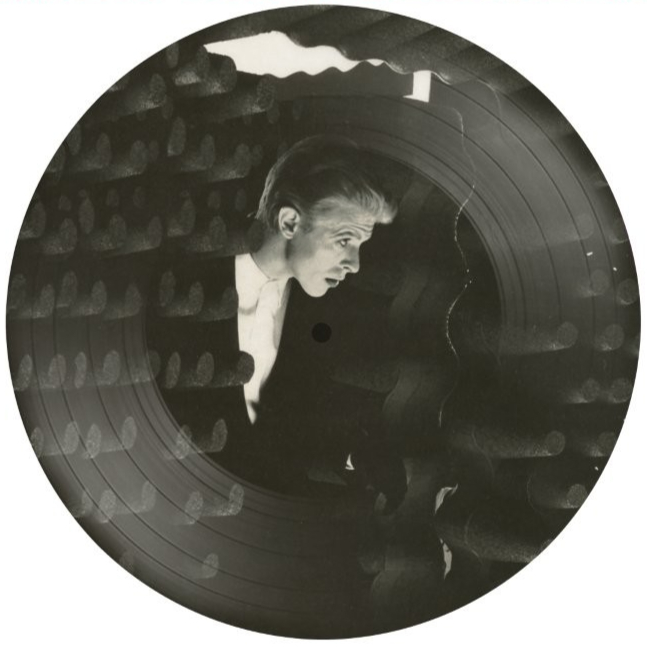
A black‑and‑white newspaper photograph of Bowie performing with an acoustic guitar, dressed in a tailored suit with curly hair. The accompanying article appears in a classic two‑column Melody Maker layout, headlined “Hype and David Bowie’s future.”
David Bowie discusses Hype, identity, and artistic reinvention — Melody Maker, March 28, 1970.
📰 Related Material
• Space Oddity (1969)
• The Man Who Sold the World (1970)
• Hype live appearances (1970)
📰 Closing Notes
This Melody Maker feature captures Bowie at the threshold of transformation — shedding one skin, assembling a new creative family, and laying the groundwork for the theatrical revolution that would soon reshape rock music. Hype may have been short‑lived, but its spirit echoes through every persona Bowie created afterward.
📰 Sources
• Melody Maker (March 28, 1970)
• Bowie early‑career chronology
• Archival press design references
📝 Copyright Notice
All magazine scans, photographs, and original text excerpts referenced in this entry remain the property of their respective copyright holders. This Chronicle entry is a transformative, non‑commercial archival summary created for historical documentation and educational reference. No ownership of the original material is claimed or implied.


Comments