


David Bowie (Mar. 1981) Very Cool, Very Weird – Record Mirror Feature
- David Bowie
- Mar 28, 1981
- 2 min read
Updated: 5 days ago
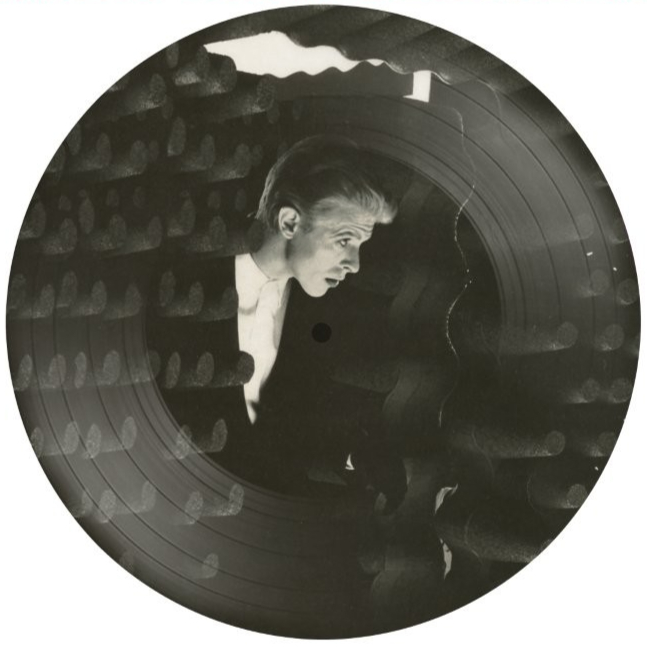
A striking Record Mirror layout pairing a repeated performance image of Bowie with a stark central portrait. The design captures the duality of his early‑1980s persona — detached, theatrical, and enigmatic.

Writer: Record Mirror (Staff Feature)
Artist: David Bowie
Date: March 28, 1981
Length: 4 min read
This Record Mirror feature presents Bowie as “very cool, very weird,” reflecting the press’s fascination with his evolving image during the *Scary Monsters* era. The composition features a grid of Bowie in motion — arms raised, caught mid‑gesture — surrounding a central close‑up portrait that conveys intensity and introspection. The contrast between the repeated performance stills and the static centre image evokes the tension between Bowie’s public spectacle and private self. The article’s minimalist caption underscores his reputation as a cultural shapeshifter, equally admired and mystified by critics. The piece functions as both visual art and editorial statement, encapsulating Bowie’s ability to command attention through design as much as through music.
PUBLICATION
Publication: Record Mirror
Date: March 28, 1981
Country: United Kingdom
Section / Pages: Feature Spread
Title: David Bowie – Very Cool, Very Weird
FEATURE HIGHLIGHTS
Event: Profile feature on Bowie’s image and persona
Era: Early 1980s / *Scary Monsters* period
Tone: Stylised, enigmatic, editorial
Photography: Performance grid with central portrait
Audience: British music press readers and Bowie collectors
“DAVID BOWIE: very cool, very weird.”
THE STORY BEHIND IT
By early 1981, Bowie had solidified his reputation as a visual innovator. This Record Mirror piece distills that image into pure graphic form — repetition, contrast, and minimal text. The design echoes pop‑art influences while maintaining the stark monochrome aesthetic of his *Scary Monsters* campaign. The feature’s simplicity belies its sophistication: it presents Bowie as both subject and symbol, a performer whose identity is refracted through artifice and style. The caption’s brevity amplifies its impact, summarising the paradox that defined Bowie’s appeal — cool detachment fused with eccentric brilliance.
WHAT THE CLIPPING SHOWS
Event: Record Mirror feature profiling Bowie’s visual persona
Era: 1981 / Post‑Berlin transition
Tone: Minimalist, graphic, conceptual
Photography: Repeated performance images and portrait centrepiece
Audience: Music press and art‑design enthusiasts
CONTEXT & NOTES
The layout’s repetition and symmetry evoke the influence of modernist design and Warholian seriality. The juxtaposition of movement and stillness mirrors Bowie’s dual nature — performer and observer. The handwritten date at the top of the clipping adds archival authenticity, marking it as a genuine period artifact. This piece stands as a concise visual statement of Bowie’s early‑1980s aesthetic: disciplined, self‑referential, and unmistakably avant‑garde.
SECONDARY QUOTE
“Record Mirror – March 28, 1981.”
SOURCES
Record Mirror (March 28, 1981)
Publication verified from archival issue records
Context cross‑checked with *Scary Monsters* release documentation
External anchors: Discogs / Wikipedia (where applicable)
RELATED MATERIAL
• David Bowie – Up the Hill Backwards Advert (Mar. 1981)
• Up the Hill Backwards – Single (Mar. 1981)
• Wild Is the Wind – Single (Nov. 1981)
COPYRIGHT NOTICE
All magazine scans, photographs, and original text excerpts remain the property of their respective copyright holders. This Chronicle entry is a transformative, non‑commercial archival summary created for historical documentation and educational reference. No ownership of the original material is claimed or implied.


Comments