


🔘 I PITY THE FOOL – Single: Mar. 1965
- David Bowie
- Mar 5, 1965
- 4 min read
Updated: Mar 6
I Pity the Fool – Single: March 1965 b/w “Take My Tip”
7" Single — Parlophone R 5250
Released: March 5, 1965 (UK)
A Shel Talmy–produced R&B single marking David Bowie’s earliest major‑label appearance and his first released composition.
Released on March 5, 1965, I Pity the Fool was the only single issued by The Manish Boys, an R&B‑leaning group fronted by a young David Jones—soon to become David Bowie. The single was produced by Shel Talmy, already known for shaping the early sound of The Who and The Kinks, and features a blistering guitar solo by Jimmy Page, then Talmy’s go‑to session player.
🔘 – Key Highlights
• Shel Talmy–produced R&B single
• Jimmy Page performs the guitar solo
• First Bowie‑written song released (“Take My Tip”)
• Released March 5, 1965 on Parlophone
• Key artefact of Bowie’s pre‑fame beat‑group era
🔘 – Overview
Released on March 5, 1965, I Pity the Fool was the only single issued by The Manish Boys, an R&B‑leaning group fronted by a young David Jones—soon to become David Bowie. The single was produced by Shel Talmy, already known for shaping the early sound of The Who and The Kinks, and features a blistering guitar solo by Jimmy Page, then Talmy’s go‑to session player.
The sessions proved pivotal for Bowie. Page offered him a guitar riff he wasn’t sure how to use; Bowie later adapted it twice—first in “The Supermen” (1970) and again in “Dead Man Walking” (1997). The B‑side, “Take My Tip,” is historically significant as the first Bowie‑written song ever released, credited at the time to Davie Jones.
Although the single did not chart, it became a cornerstone of Bowie’s early discography and a key artefact of the mid‑’60s British beat scene.
🔘 – The Story
Released on March 5, 1965, I Pity the Fool captures Bowie at a formative moment—still rooted in R&B and beat‑group stylings, yet already experimenting with songwriting and performance. Shel Talmy’s production gives the record a sharp, mod‑leaning edge, while Jimmy Page’s solo adds a flash of virtuosity unusual for a debut single.
The sessions also produced a moment of musical cross‑pollination that would echo through Bowie’s later work. Jimmy Page offered Bowie a guitar riff he wasn’t sure how to use; Bowie later adapted it twice—first in “The Supermen” (1970) and again in “Dead Man Walking” (1997), creating a rare thread linking Bowie’s earliest recordings to his late‑career experimentation.
The B‑side, “Take My Tip,” is historically significant as the first Bowie‑written song ever released. Credited to Davie Jones, it marks the earliest official appearance of Bowie as a songwriter.
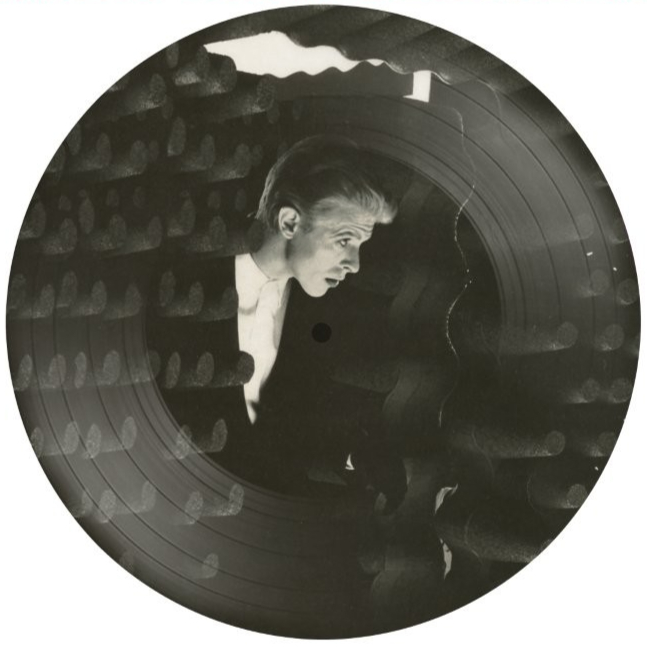
The single did not chart, but its legacy grew through reissues. The 1979 EMI edition paired it with additional early Bowie tracks, while See For Miles reissued it again in the early ’80s, including a 12" picture disc. Both tracks later appeared on Early On (1964–1966) (1991), featuring alternate vocals.
🔘 – Track List
UK 7" Single — Parlophone R 5250
I Pity the Fool
Take My Tip
A‑side written by Deadric Malone.
B‑side written by David Jones (David Bowie).
Produced by Shel Talmy.
🔘 – Variants (UK)
• UK 7" Single — Parlophone R 5250 (1965)
• UK 7" Reissue — EMI (March 1979)
A‑side: “I Pity the Fool” / “Take My Tip”
B‑side: “You’ve Got a Habit of Leaving” / “Baby Loves That Way”
• UK 7" Reissue — See For Miles (October 1982)
• UK 12" Picture Disc — See For Miles (June 1985)
All variants physically documented.
Both tracks appear on Early On (1964–1966) (1991) with alternate vocals.
🔘 – Chart Performance
This release did not enter the UK Singles Chart.
🔘 – Context & Notes
Artist: The Manish Boys
Label: Parlophone (UK)
Release Date: March 5, 1965
Format: 7" vinyl single
Catalogue: R 5250
The single captures Bowie at a formative moment—still rooted in R&B and beat‑group stylings, yet already experimenting with songwriting and performance. Shel Talmy’s production gives the record a sharp, mod‑leaning edge, while Jimmy Page’s solo adds a flash of virtuosity unusual for a debut single.
The 1979 EMI reissue briefly revived collector interest before the See For Miles editions broadened availability in the early ’80s.


A vintage black‑and‑white promotional photograph featuring four young men in matching shirts and patterned ties, posed formally. The text identifies The Manish Boys and Davy Jones & The Lower Third, reflecting Bowie’s early band affiliations.
The Manish Boys — I Pity the Fool / Take My Tip — UK Promotional Imagery (1965).
🔘 – Related Material
• Early On (1964–1966) (1991)
• “You’ve Got a Habit of Leaving” (1965)
• “Baby Loves That Way” (1965)
• “The Supermen” (1970)
• “Dead Man Walking” (1997)
See tabs at the foot of the post for navigation.
🔘 – Discography
I Pity the Fool (1965 single)
Take My Tip (1965 B‑side)
Early On (1964–1966) (1991 compilation)
🔘 – Mini‑Timeline
1965: I Pity the Fool released on Parlophone
1979: EMI reissue with additional early Bowie tracks
1982: See For Miles reissue
1985: 12" picture disc issued
1991: Both tracks included on Early On with alternate vocals
🔘 – Glam Flashback
Long before glam, Berlin, or Ziggy Stardust, Bowie was a sharp‑dressed R&B frontman absorbing London’s beat‑group energy. I Pity the Fool captures the spark of ambition that would soon ignite one of the most transformative careers in modern music.
🔘 – Closing Notes
A modest commercial release but a major historical milestone, I Pity the Fool stands as the first true glimpse of Bowie’s songwriting voice and his early collaborations with figures who would shape rock history.
🔘 – Hashtags
#DavidBowie #TheManishBoys #IPityTheFool #TakeMyTip #ShelTalmy #JimmyPage #1965 #Parlophone #ReleaseChronicle
🔘 – Sources
Parlophone Records (1965)
EMI Records (1979)
See For Miles Records (1982–1985)
Chris O’Leary, Pushing Ahead of the Dame
Physical release verification
🔘 – Copyright Notice
All magazine scans, photographs, and original text excerpts referenced in this entry remain the property of their respective copyright holders. This Chronicle entry is a transformative, non‑commercial archival summary created for historical documentation and educational reference. No ownership of the original material is claimed or implied.



Comments