


David Bowie (Mar. 1982) Brechtfast in Bed – New Musical Express Feature
- David Bowie
- Mar 6, 1982
- 2 min read
Updated: 5 days ago
A full‑page NME feature by Ian Penman exploring Bowie’s portrayal of Brecht in the BBC production *Baal*. The piece blends cultural critique with performance analysis, capturing Bowie’s intellectual and theatrical depth at the dawn of the 1980s.
Writer: Ian Penman
Artist: David Bowie
Date: March 6, 1982
Length: 6 min read
This *New Musical Express* article, titled “Brechtfast in Bed,” examines Bowie’s transformation into Bertolt Brecht’s anti‑hero for the BBC adaptation of *Baal*. Penman situates Bowie within Brecht’s world of alienation, irony, and moral ambiguity, describing him as “the existentialist, arch‑nihilist, amoralist, and sportiest.”
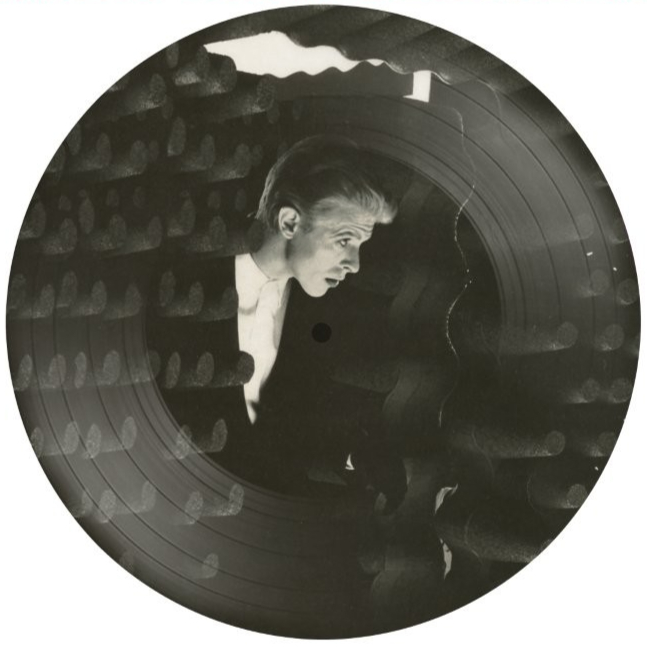
The accompanying photograph shows Bowie mid‑performance, holding a stringed instrument and smiling with theatrical intensity — a striking image of his immersion in character. The article dissects Bowie’s ability to merge avant‑garde theatre with pop iconography, arguing that his portrayal of Brecht’s protagonist reflects both artistic discipline and self‑awareness. Penman’s prose, sharp and philosophical, frames Bowie as a performer who transcends genre, embodying Brecht’s spirit while reshaping it for television audiences.

PUBLICATION
Publication: New Musical Express (NME)
Date: March 6, 1982
Country: United Kingdom
Section / Pages: Full‑page Feature (Page 6)
Title: Brechtfast in Bed – David Bowie as Baal
FEATURE HIGHLIGHTS
Event: BBC broadcast of *Baal* and NME
critical feature
Era: Early 1980s / Post‑Berlin period
Tone: Analytical, literary, provocative
Photography: Bowie performing as Baal with
instrument
Audience: NME readers and art‑rock
enthusiasts
“IAN PENMAN sees Bowie as Baal — the existentialist, arch‑nihilist, amoralist, and sportiest.”
THE STORY BEHIND IT
The feature coincided with Bowie’s televised performance of *Baal*, marking his return to British drama after years of musical experimentation. Penman’s essay situates Bowie within Brecht’s tradition of alienation theatre, exploring how his charisma and detachment amplify the play’s themes of moral decay and artistic rebellion. The article reflects NME’s intellectual tone of the era, treating pop musicians as cultural theorists. Bowie’s portrayal of Baal — poetic, sardonic, and unsettling — is presented as both homage and reinvention, bridging avant‑garde theatre and mainstream visibility.
WHAT THE CLIPPING SHOWS
Event: NME feature on David Bowie’s role in
*Baal*
Era: 1982 / BBC television production
Tone: Philosophical, critical, literary
Photography: Performance portrait of Bowie
as Baal
Audience: British music press and cultural
critic
s
CONTEXT & NOTES
“Brechtfast in Bed” exemplifies NME’s early‑1980s editorial ambition — merging pop journalism with academic critique. Penman’s analysis situates Bowie as a cultural polymath, capable of embodying Brecht’s alienated anti‑hero while maintaining his own mythic aura. The feature’s layout — bold headline, boxed subheading, and dense columns — mirrors the intellectual seriousness of the piece. It remains one of the most incisive examinations of Bowie’s theatrical work, bridging his Berlin‑era introspection with his later multimedia experimentation.
“Bowie as Baal — the existentialist, arch‑nihilist, amoralist, and sportiest.”
SOURCES
New Musical Express (March 6, 1982)
Publication verified from archival issue records
Context cross‑checked with BBC *Baal*
production documentation
External anchors: Discogs / Wikipedia
(where applicable)
RELATED MATERIAL
• David Bowie – Glam Slam Guide
• The Man Who Fell for Brecht (Feb. 27 – Mar. 5, 1982)
• Bowie Has a Baal – Feature (Mar. 1982)
COPYRIGHT NOTICE
All magazine scans, photographs, and original text excerpts remain the property of their respective copyright holders. This Chronicle entry is a transformative, non‑commercial archival summary created for historical documentation and educational reference. No ownership of the original material is claimed or implied.



Comments