


🔘 Only Women – Single: Mar. 1975
- Alice Cooper(solo)
- Apr 5, 1975
- 3 min read
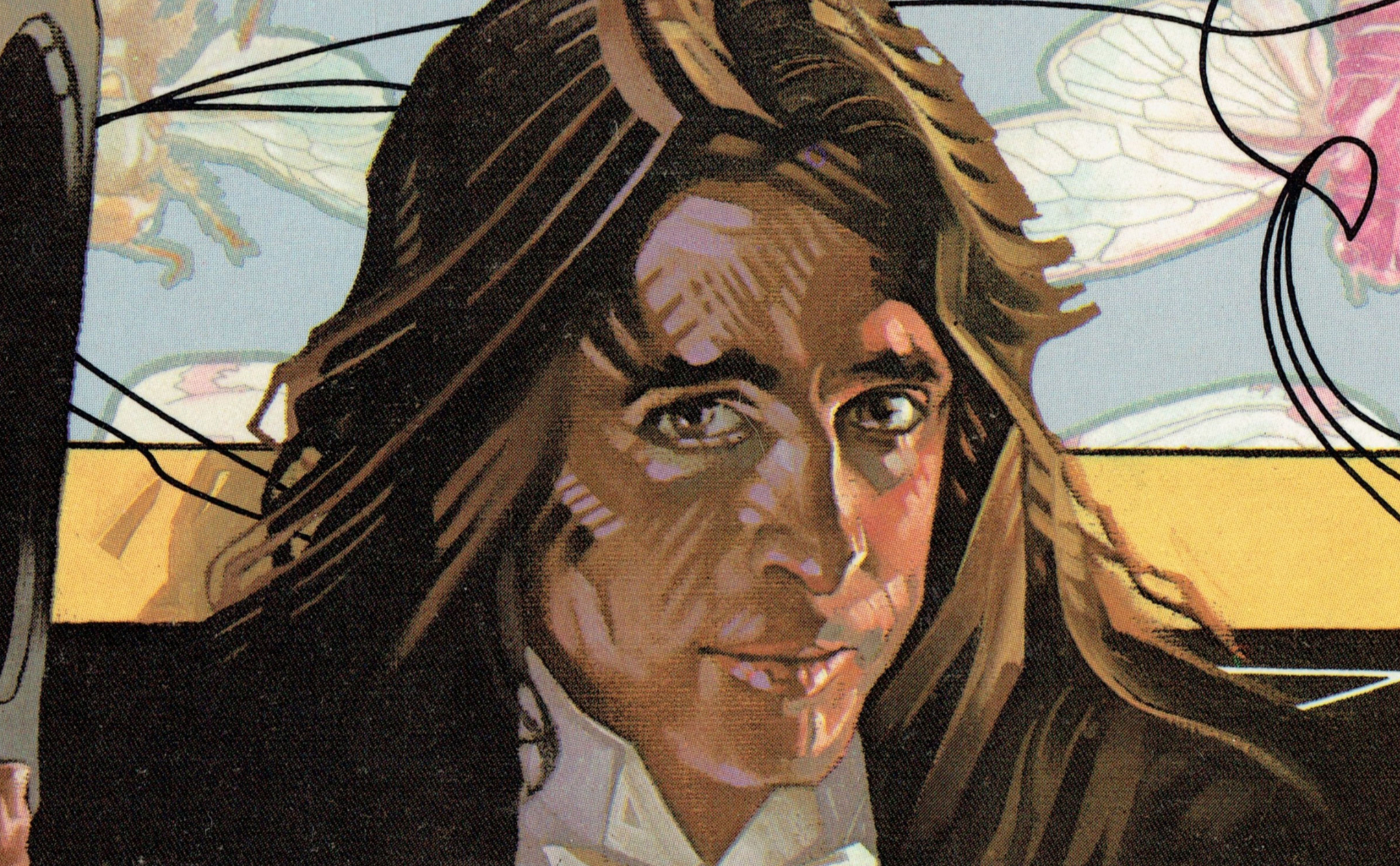
A stark and emotional departure from Alice Cooper’s theatrical shock‑rock persona, “Only Women” (retitled from the album’s “Only Women Bleed”) revealed a vulnerable, introspective side that surprised critics and audiences alike. Released ahead of the *Welcome to My Nightmare* album, the single showcased Cooper’s ability to deliver a powerful ballad rooted in real‑world themes of domestic abuse. Bob Ezrin’s dramatic production and Allan Macmillan’s orchestral arrangements elevated the track into one of Cooper’s most enduring hits.

Released in March 1975 by Atlantic Records (45‑3254), the single paired “Only Women” with “Cold Ethyl” in the United States. Outside the US, the B‑side was replaced with “Devil’s Food.” The single entered the Billboard Hot 100 on April 5 1975, spending sixteen weeks on the chart and peaking at No. 12 for two consecutive weeks. It also reached No. 1 in Canada, becoming one of Cooper’s biggest international successes.
Label: Atlantic
Catalogue Number: 45‑3254
Format: 7" Vinyl Single (Solid Centre)
Released: March 1975 (US)
🔘 Track List
US 7" Single — Atlantic – 45‑3254 — 1975
A. Only Women — 3:29
Written by: Alice Cooper & Dick Wagner
B. Cold Ethyl — 2:50
Written by: Alice Cooper & Bob Ezrin
Produced by: Bob Ezrin
Arranged by: Bob Ezrin & Allan Macmillan
Published by: Ezra Music / Early Frost / All By Myself
Recorded: 1975
🔘 Key Highlights
• Released March 1975
• A-side: Emotional ballad from *Welcome to My Nightmare*
• B-side (US): “Cold Ethyl”
• B-side (Europe): “Devil’s Food”
• US Chart: Peaked at No. 12 (16 weeks on chart)
• Canada: No. 1
• Production: Bob Ezrin’s orchestral, cinematic style
🔘 The Story
“Only Women” emerged from a musical idea Dick Wagner had developed years earlier but never completed. When he played the riff for Alice Cooper during the *Welcome to My Nightmare* sessions, the pair reshaped it into a haunting ballad addressing the realities of domestic abuse. The song’s emotional weight contrasted sharply with Cooper’s shock‑rock image, leading Atlantic Records to shorten the title to “Only Women” for the single release.
Bob Ezrin’s production added sweeping orchestral textures, while Allan Macmillan’s arrangements deepened the song’s dramatic impact. The B‑side “Cold Ethyl” returned to Cooper’s more familiar macabre humour, creating a striking contrast between the two tracks.
The single became one of Cooper’s biggest hits, reaching No. 12 in the US and topping the Canadian charts. Its success paved the way for future Cooper ballads that would also chart strongly.
🔘 Variants (US)
• 7", 45 RPM, Single — Atlantic – 45‑3254 — US — 1975


• 7", 45 RPM, Promo (Stereo/Mono) — Atlantic – 45‑3254 — US — 1975

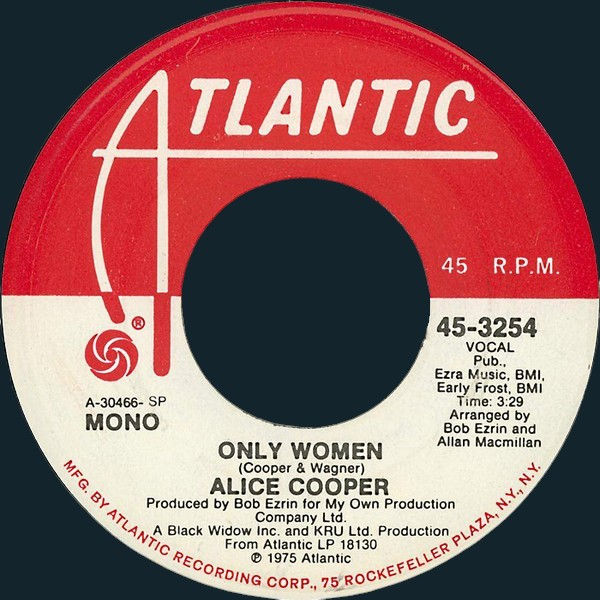
• 7", 45 RPM, Advance Test Pressing — Atlantic – 45‑3254 — US — 1975
• Issued in standard Atlantic company sleeve
🔘 Sleeves
• Standard Atlantic Records company sleeve (US vinyl)
• No dedicated picture sleeve issued for this release in the US
🔘 Chart Performance
US — Billboard Hot 100
Peak Position: No. 12
Total Weeks on Chart: 16
First Chart Date: 05/04/1975
Canada — RPM Singles Chart
Peak Position: No. 1
Europe — (Alternate B‑side “Devil’s Food”)
[No official chart data provided]
🔘 Context & Notes
• A-side: One of Cooper’s most successful ballads
• B-side: “Cold Ethyl” (US) / “Devil’s Food” (Europe)
• Production: Bob Ezrin’s signature orchestral rock style
• Sleeve notes: Standard Atlantic company sleeve
• Historical placement: Major hit from *Welcome to My Nightmare*
• Cultural note: Frequently misinterpreted due to its title
• Reissues: Included on numerous Cooper compilations
🔘 Related Material
• *Welcome to My Nightmare* (1975)
• “Department of Youth” (1975)
• “Muscle of Love” (1974)
🔘 Discography
Muscle of Love — 1974
Only Women — 1975
Department of Youth — 1975
🔘 Mini‑Timeline
✦ Early 1975 — Recorded for *Welcome to My Nightmare*
✦ Mar 1975 — US single released
✦ Apr 5 1975 — Enters Billboard Hot 100
✦ 1975 — Peaks at No. 12 (US) / No. 1 (Canada)
🔘 Glam Flashback
Alice Cooper traded shock for sincerity—and delivered one of the most powerful ballads of the decade, proving that even the master of nightmares could break hearts.
🔘 Sources
Primary reference sources: Atlantic Records, Discogs, Billboard Magazine, RPM Canada, contemporary music‑press documentation, archival references.
🔘 Copyright Notice
All magazine scans, photographs, and original text excerpts referenced in this entry remain the property of their respective copyright holders. This Chronicle entry is a transformative, non‑commercial archival summary created for historical documentation and educational reference. No ownership of the original material is claimed or implied.


Comments