


📰 Alice Cooper Lectures Eastman School of Music & First U.S. Tour Date – Mar. 1973
- Alice Cooper Group
- Mar 4, 1973
- 4 min read
Writer: New Musical Express (Report)
Date: March 5, 1973
Alice Cooper arrives in Rochester, New York at the height of his Billion Dollar Babies ascent, stepping between two worlds in a single day: a scheduled lecture at the Eastman School of Music and the first U.S. performance of his most ambitious tour.
A moment where shock‑rock met the conservatory, and the theatre of the tour met the discipline of classical study.
A rare academic crossover on the eve of one of rock’s grandest touring productions.
📰 Excerpt
In early 1973, as Billion Dollar Babies prepared to dominate stages across North America, Alice Cooper was announced to “lecture the classical heads” at the Eastman School of Music. Hours later, he would take the stage at the Rochester Community War Memorial for the first U.S. date of the tour — a night of spectacle, precision, and theatrical bravado.
📰 Key Highlights
• Eastman School of Music lecture announced in NME (Feb 3, 1973)
• Lecture scheduled for March 5, 1973, same day as Rochester concert
• Rochester = first U.S. date, following Canadian openers in Ottawa & Hamilton
• Fully verified concert details, setlist, and venue confirmed
• A unique cultural moment bridging classical academia and shock‑rock theatre
📰 Overview
Early 1973 found Alice Cooper at a cultural peak. Billion Dollar Babies was poised to become one of the defining rock tours of the decade, and Cooper’s public persona — part vaudeville, part horror, part glam spectacle — had become a subject of fascination far beyond the rock press. It was in this climate that New Musical Express reported Cooper would deliver a lecture at the Eastman School of Music in Rochester, New York.
The announcement positioned Cooper not simply as a performer but as a figure worthy of academic scrutiny. Eastman, one of the world’s leading classical conservatories, represented a surprising but revealing venue for such an appearance. Whether the lecture ultimately occurred remains unverified, but the announcement itself is historically significant.
That same evening, Cooper performed at the Rochester Community War Memorial — the first U.S. date of the Billion Dollar Babies tour, following two Canadian warm‑up shows in Ottawa (March 3) and Hamilton (March 4). The Rochester concert unveiled the full theatrical production that would define the tour’s legacy.
📰 Source Details
Publication / Venue: New Musical Express
Date: February 3, 1973
Format: News Report / Tour Announcement
Provenance Notes:
The Billion Dollar Babies tour circulated with two different advertised start dates in early 1973. One promotional poster lists March 1 as the launch, reflecting an early, pre‑finalised routing distributed to promoters before the schedule was locked; no verified performance occurred on that date. A second advert — tied to the Warner Bros. “Hello Hurray” campaign — lists March 5 as the start, aligning with the first U.S. date in Rochester, following confirmed Canadian warm‑up shows in Ottawa (March 3) and Hamilton (March 4). These discrepancies are typical of 1970s tour promotion, where preliminary itineraries and regional advertising often diverged from the final, verified performance chronology.
📰 The Story
In its February 3, 1973 issue, New Musical Express reported that Alice Cooper would “lecture the classical heads” at the Eastman School of Music on March 5. The article framed the event as part of the promotional momentum behind the Billion Dollar Babies tour, described by Cooper’s publicist as “the biggest rock and roll tour an American group has ever done.” The juxtaposition of Cooper’s theatrical shock‑rock persona with the academic environment of Eastman created a moment of cultural friction — and fascination.
The lecture was scheduled for the same day as the Rochester concert, suggesting a deliberate pairing of intellectual engagement and evening spectacle. While no surviving documentation confirms whether the lecture ultimately took place, the announcement itself reflects the era’s heightened interest in Cooper as a cultural phenomenon.
That night, the Rochester Community War Memorial hosted the first U.S. performance of the Billion Dollar Babies tour. The production was already fully formed: elaborate staging, choreographed sequences, and a setlist that blended rock anthems with theatrical interludes. The show followed two Canadian warm‑up dates, making Rochester the point at which the tour truly entered the American mainstream.
The verified setlist included Billion Dollar Babies, Elected, No More Mr. Nice Guy, Dead Babies, I Love the Dead, and the climactic School’s Out, with an encore of Under My Wheels and a closing flourish of Kate Smith’s God Bless America. It was a night that captured the scale, ambition, and theatricality that would define the tour’s legacy.
📰 Visual Archive

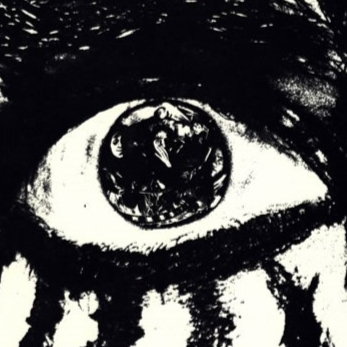
Alice Cooper’s announced Eastman School lecture and first U.S. Billion Dollar Babies tour date, March 5, 1973.


A period newspaper clipping announcing the Eastman lecture, featuring the headline “Alice to Lecture the Classical Heads…,” alongside promotional materials and confirmed setlists from the Rochester concert.
📰 Related Material
• Billion Dollar Babies Tour — Ottawa, March 3, 1973
• Billion Dollar Babies Tour — Hamilton, March 4, 1973
• Alice Cooper — Billion Dollar Babies Album Release (Feb 1973)
📰 Closing Notes
The Rochester appearance stands as a rare convergence of academia and theatrical rock spectacle. The Eastman announcement — whether realized or not — reveals how deeply Cooper had penetrated cultural discourse by early 1973. The concert that followed cemented the scale and ambition of the Billion Dollar Babies tour, marking the moment the production stepped onto American soil and into rock history.
📰 Sources
• New Musical Express, February 3, 1973 — Lecture announcement
• Collector‑verified gigographies — Rochester concert details
• Setlist confirmations from independent archival sources
📝 Copyright Notice
All magazine scans, photographs, and original text excerpts referenced in this entry remain the property of their respective copyright holders. This Chronicle entry is a transformative, non‑commercial archival summary created for historical documentation and educational reference. No ownership of the original material is claimed or implied.


Comments