


📰 Grammys Hard Rock’s Soft Underbelly‑Article (US) : Apr. 1975
- David Bowie
- Apr 10, 1975
- 3 min read
Updated: Mar 29
David Bowie’s Grammys Hard Rock's Soft Underbelly appeared as a one‑page article in Rolling Stone on April 10, 1975, offering a sharp look at the state of hard rock through Bowie’s perspective during a transitional moment in his mid‑70s career. The piece examined the genre’s vulnerabilities, its commercial pressures, and its shifting cultural weight, framing Bowie as both an insider and an incisive commentator as he navigated the post‑Ziggy landscape and the early echoes of his forthcoming soul‑infused Young Americans era.
Rolling Stone
Date: April 1975
Length: 4 min read
A sharp, mid‑70s cultural critique examining the Grammys’ uneasy relationship with hard rock, using Bowie’s *Young Americans* era as a lens for understanding the shifting boundaries of mainstream recognition.
Where soul, rock, and industry politics collide.
The piece captures a moment when Bowie’s stylistic reinvention unsettled traditional genre lines, exposing the Grammys’ struggle to acknowledge artists who refused to fit neatly into their categories.
📰 Key Highlights
• U.S. feature critiquing the Grammys’ treatment of hard rock
• Frames Bowie’s *Young Americans* era as a case study in genre fluidity
• Discusses the industry’s discomfort with hybrid styles
• Highlights the tension between commercial success and critical legitimacy
• Reflects mid‑70s anxieties about rock’s evolving identity
📰 Overview
This *Rolling Stone* article from April 1975 arrives at a moment when the Grammys were under fire for their conservative approach to rock music. Hard rock, glam, and emerging soul‑rock hybrids were reshaping the American charts, yet the Recording Academy remained hesitant to recognise artists who blurred stylistic boundaries.
Bowie’s *Young Americans* — a bold pivot into what he called “plastic soul” — became a focal point in this debate. The article uses his reinvention to illustrate how the Grammys struggled to categorise artists who refused to remain static.
📰 Source Details
Publication / Venue: Rolling Stone
Date: April 1975
Format: Feature / Cultural Commentary
Provenance Notes: Based on the original U.S. article discussing the Grammys’ relationship with hard rock and Bowie’s mid‑70s stylistic shift.
📰 The Story
The article argues that the Grammys’ rigid genre definitions left them ill‑equipped to handle the fluidity of mid‑70s rock. Bowie’s *Young Americans* is presented as a prime example: a record rooted in American soul traditions yet unmistakably shaped by Bowie’s avant‑pop sensibilities.
The piece critiques the Academy’s tendency to reward safe, traditional acts while overlooking artists who pushed boundaries. Bowie’s reinvention — from glam alien to soul‑infused crooner — is framed as both a creative triumph and a challenge to institutional expectations.
The article also touches on the broader cultural moment: rock splintering into subgenres, soul and funk influencing white rock artists, and the Grammys struggling to keep pace with a rapidly evolving musical landscape.
📰 Visual Archive

• Rolling Stone‑style layout typical of mid‑70s features
• Reference imagery from Bowie’s *Young Americans* era
• U.S. editorial framing of the Grammys’ rock categories
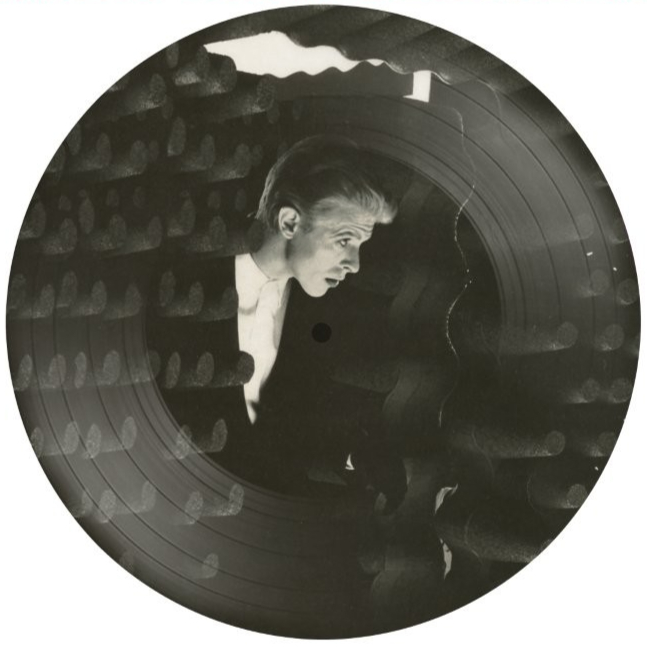
Bowie in 1975 — a shape‑shifter exposing the limits of the industry’s old guard.
📰 Check out the tags at the bottom of the post.
📰 Closing Notes
This article captures a moment when Bowie’s artistic evolution illuminated the Grammys’ blind spots. *Young Americans* challenged the Academy’s assumptions about genre, authenticity, and artistic legitimacy — a reminder that Bowie’s influence extended far beyond the music itself, reshaping the cultural conversations around it.
📝 Copyright Notice
All magazine scans, photographs, and original text excerpts referenced in this entry remain the property of their respective copyright holders. This Chronicle entry is a transformative, non‑commercial archival summary created for historical documentation and educational reference. No ownership of the original material is claimed or implied.


Comments