


📰 Walk And Talk It – Single Review : Aug. 1972
- Lou Reed
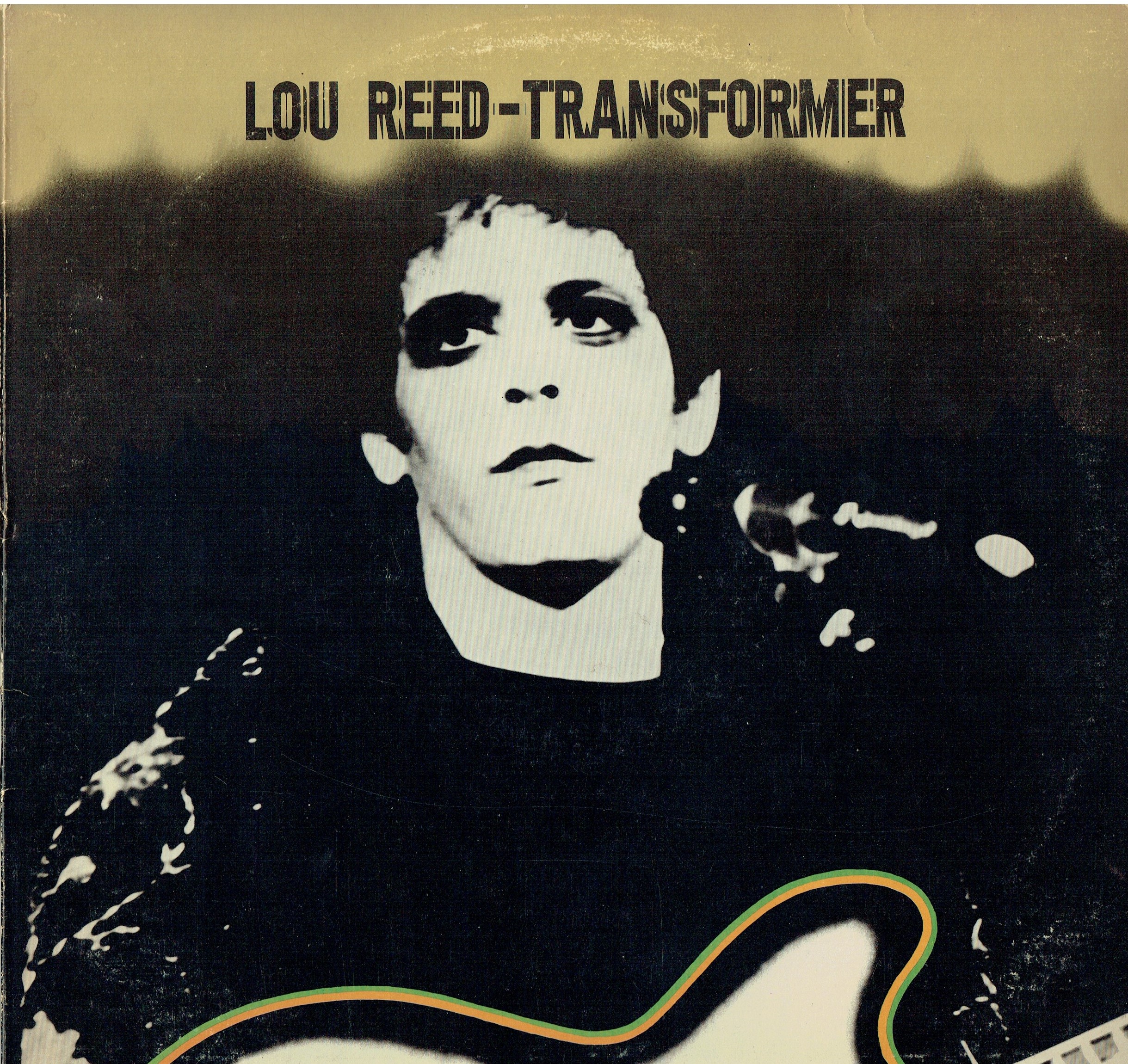
- Aug 5, 1972
- 2 min read
A one‑page New Musical Express review of Lou Reed’s “Walk And Talk It,” delivered with NME’s trademark mix of satire, character‑voice humour and sharp cultural commentary. The piece framed Reed’s early solo work through a playful, mock‑nostalgic anecdote before pivoting into a wry assessment of the track’s Stones‑leaning swagger and Reed’s evolving post‑Velvets persona.
Publication: New Musical Express
Date: August 5, 1972
Format: One‑page single review
Writer: NME
A moment of early‑’70s art‑rock transition, sardonic press tone and Reed’s emergence as a solo figure.
📰 Key Highlights
• Humorous, character‑driven intro parodying Reed’s New York mythology
• Commentary on the song’s resemblance to “Brown Sugar”
• Positioning Reed alongside Bowie and Roxy Music as part of a shifting glam‑adjacent landscape
• Acknowledgement of Reed’s unpredictability and evolving artistic identity
• Review delivered in NME’s irreverent, personality‑heavy house style
📰 Overview
This review captures Lou Reed at a formative moment — newly solo, newly signed to RCA, and still defining his post‑Velvet Underground voice. NME approached “Walk And Talk It” with a blend of affectionate mockery and genuine curiosity, noting the track’s Stones‑like rhythm and Reed’s fascination with ’50s rock tropes. The piece reflects the paper’s early‑’70s tendency to treat emerging art‑rock figures with both scepticism and fascination.
📰 Source Details
Publication / Venue: New Musical Express
Date: August 5, 1972
Format: One‑page single review
Provenance Notes: Based on the original NME review of “Walk And Talk It.”
📰 The Story
The review highlights:
• Reed’s shift from underground icon to RCA‑promoted solo artist
• A playful critique of his stylistic borrowings and influences
• The song’s loose, Stones‑inflected groove
• The press’s uncertainty about Reed’s long‑term direction
• A tone that blends satire, admiration and cultural observation
The tone is irreverent, witty and slightly surreal — classic early‑’70s NME, using humour to frame a serious look at Reed’s emerging solo identity.
📰 Visual Archive

📰 Closing Notes
A sharp, characterful early‑’70s press moment, this NME review stands as a snapshot of Lou Reed’s transition from cult figure to mainstream‑promoted solo artist, filtered through the paper’s unmistakable voice.


Comments