


David Bowie (August 9, 1979) The Incomplete David Bowie – Rolling Stone
- David Bowie
- Aug 9, 1979
- 2 min read
Updated: 4 days ago
A two‑page feature from Rolling Stone reviewing David Bowie’s album *Lodger* and examining his artistic evolution through the 1970s. Written by Greil Marcus, the piece situates Bowie’s work within the broader cultural and aesthetic landscape of the decade.
Writer: Greil Marcus
Artist: David Bowie
Date: August 9 1979
Length: ~10 min read
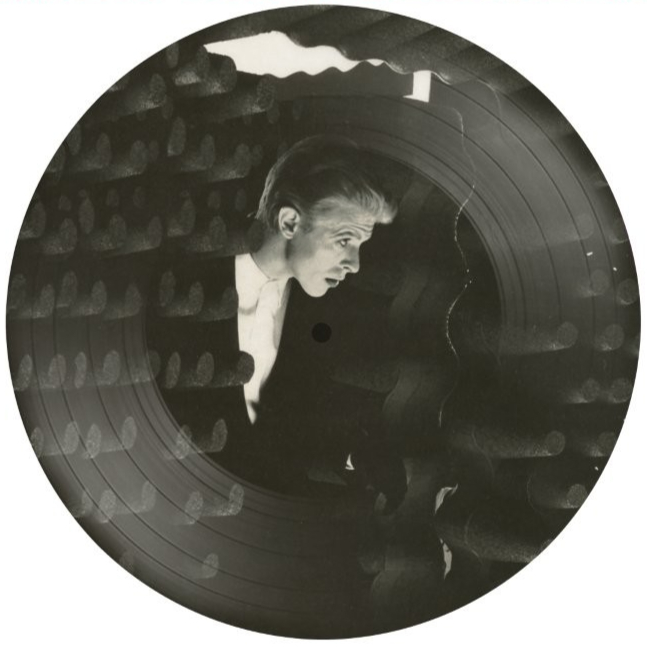
The article opens with a full‑page illustration of Bowie by artist S. Begg, depicting him in a leather jacket against a muted background — a visual echo of the *Lodger* era’s introspective tone. Marcus’s essay, titled “The Incomplete David Bowie,” explores Bowie’s constant reinvention and his refusal to conform to expectations of pop stardom. He traces Bowie’s trajectory from *Hunky Dory* through *Ziggy Stardust*, *Young Americans*, and the Berlin Trilogy (*Low*, *“Heroes”*, *Lodger*), arguing that Bowie’s art is defined by fragmentation, ambiguity, and aesthetic distance. The review positions *Lodger* as both culmination and continuation — a record that resists closure while reaffirming Bowie’s restless creativity.


PUBLICATION
Publication: Rolling Stone
Date: August 9 1979
Country: United States
Section / Pages: Records – pp. 53–54
Title: The Incomplete David Bowie
FEATURE HIGHLIGHTS
Event: Critical review of Bowie’s *Lodger*
Era: 1979 – Berlin Trilogy period
Tone: Analytical and philosophical
Photography: Illustrated portrait by S. Begg
Audience: Rolling Stone readers and music critics
“David Bowie’s albums are not events, though given the aura he insists on, they’re halfheartedly presented as such time and again.”
THE STORY BEHIND IT
By 1979, Bowie had completed his Berlin Trilogy and was preparing to enter a new phase of his career. *Lodger* closed the experimental chapter that began with *Low* and *“Heroes”*, blending avant‑pop with global influences. Greil Marcus’s essay reflects the critical tension surrounding Bowie’s work at the time — admiration for his innovation tempered by questions about his emotional detachment. The piece captures the intellectual climate of late‑’70s rock criticism, where Bowie’s art was viewed as both visionary and elusive.
WHAT THE CLIPPING SHOWS
Event: Rolling Stone review of *Lodger*
Era: 1979
Tone: Reflective and critical
Photography: Full‑page illustration of Bowie
Audience: US music press readers
CONTEXT AND NOTES
Marcus’s writing situates Bowie within a lineage of artists who treat pop as conceptual art. The essay’s title, “The Incomplete David Bowie,” suggests that Bowie’s identity and output remain perpetually unfinished — a theme echoed in his later work. The accompanying illustration reinforces this idea, portraying Bowie as both iconic and enigmatic. The feature stands as one of Rolling Stone’s most intellectually rigorous treatments of Bowie’s music.SECONDARY QUOTE
“Perhaps Bowie has met his match in Berlin.”
“Perhaps Bowie has met his match in Berlin.”
COPYRIGHT NOTICE
All magazine scans, photographs, and original text excerpts remain the property of their respective copyright holders. This Chronicle entry is a transformative, non‑commercial archival summary created for historical documentation and educational reference. No ownership of the original material is claimed or implied.

Comments