top of page

📰 NME – Cover & Young Americans Review: Mar. 1975

  • Writer: David Bowie
    David Bowie
  • Mar 15, 1975
  • 3 min read

New Musicial Express

Date: March 15, 1975

Length: 8 min read


A pivotal NME issue captures David Bowie at a moment of radical transformation — his face on the cover tease, his soul‑infused reinvention dissected inside, and the British music press grappling with the shock of Young Americans.


Bowie abandons glam for plastic soul — and NME takes notice.


The March 15, 1975 edition of New Musical Express presents Bowie on the brink of reinvention. The cover teases “His final flirtation?” while inside, Ian MacDonald delivers a deep, uneasy, and incisive review of Young Americans.

It’s a portrait of an artist shedding skin in real time — and a music paper trying to keep up.


📰 Key Highlights

• NME cover date: March 15, 1975

• Bowie teased on the front page: “His final flirtation?”

• Full‑page Young Americans review by Ian MacDonald

• Photography by Bob Gruen

• NME frames Bowie’s shift as a point of no return


📰 Overview

By early 1975, David Bowie had left Ziggy Stardust, Aladdin Sane, and glam theatrics behind. Young Americans marked a dramatic pivot — a dive into Philadelphia soul, R&B rhythms, and a new emotional register.


The NME issue dated March 15, 1975 captures this transition with rare clarity. The cover hints at a turning point, while the interior review confronts the album’s stylistic rupture head‑on. MacDonald’s writing is sharp, conflicted, and fascinated — mirroring the audience’s own uncertainty as Bowie stepped into unfamiliar territory.


This issue stands as one of the most important press documents of Bowie’s mid‑70s metamorphosis.


📰 Source Details

Publication / Venue: New Musical Express

Date: March 15, 1975

Format: Cover Feature + Album Review

Provenance Notes: Based on original print pages; cross‑verified with NME archive references.


📰 The Story

The cover of the March 15 issue is a snapshot of mid‑70s British music culture: 10cc, Genesis, Alice Cooper, Led Zeppelin’s 1975 gigs, and a sidebar asking, “But what’s with the buddy‑buddying with Artie Garfunkel?” Amid this collage sits a Bowie teaser — a quiet signal that something seismic is happening.


Inside, the Young Americans review dominates the “Platters” section. Ian MacDonald frames the album as a rupture:

a break from glam, a break from Britishness, a break from the Bowie the public thought they knew.


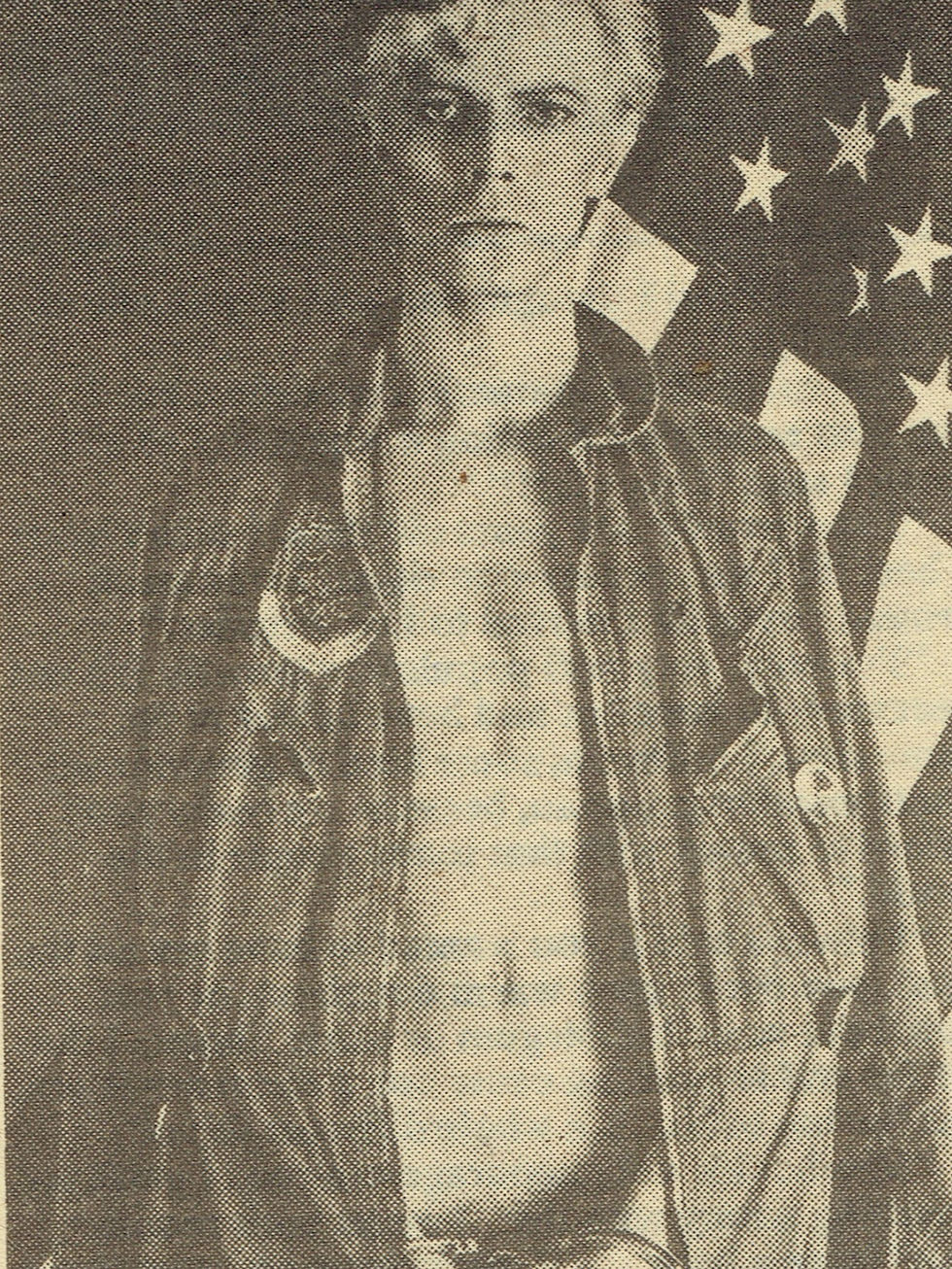
The accompanying Bob Gruen photograph — Bowie onstage, shadow looming behind him — reinforces the theme of duality and transformation. The smaller inset of the Young Americans album sleeve grounds the piece in its commercial moment.


MacDonald’s critique is both admiring and wary. He acknowledges the ambition, the stylistic precision, and the emotional weight, while questioning whether Bowie’s audience will follow him into this new, soul‑infused territory.

It is, in essence, a review of an artist mid‑mutation.


The article stands today as one of the earliest and most influential critical responses to Young Americans — a document of Bowie’s restless evolution.


📰 Visual Archive


• NME cover featuring sepia‑toned photograph of two figures in conversation, with Bowie teased in the right‑hand column

• Full‑page “BOWIE: never no turning back…” review with Bob Gruen stage photograph and Young Americans album sleeve

NME cover and full‑page Young Americans review from the March 15, 1975 issue.


📰 Related Material

• Young Americans (1975) — Album

• David Live (1974) — Precursor to the soul era

• Station to Station (1976) — The next transformation


📰 Closing Notes

This NME issue captures Bowie at a crossroads — abandoning glam, embracing soul, and stepping into a new artistic identity. The cover tease and the interior review together form a rare, contemporaneous snapshot of an artist in motion, unafraid to risk everything.


📰 Sources

• New Musical Express, March 15, 1975

• Contemporary RCA promotional materials

• Bowie press archives


📝 Copyright Notice

All magazine scans, photographs, and original text excerpts referenced in this entry remain the property of their respective copyright holders. This Chronicle entry is a transformative, non‑commercial archival summary created for historical documentation and educational reference. No ownership of the original material is claimed or implied.


Comments


bottom of page