


📰 Twelve Honest Answers to T. Rex – Feature : Oct. 1971
- T.Rex
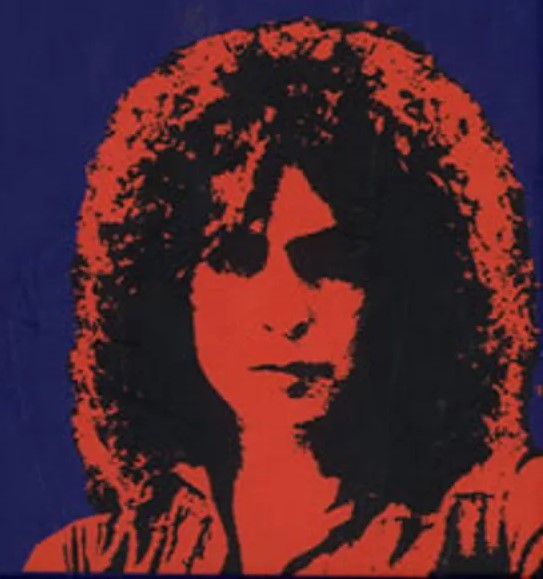
- Oct 1, 1971
- 3 min read
A candid two-page interview presents Marc Bolan and the evolving T. Rex in a relaxed, reflective light, offering straightforward answers about their rapid success, changing sound, and future plans.
The piece reveals Bolan’s thoughts on the shift from Tyrannosaurus Rex to T. Rex, the pressures of sudden fame, and his straightforward approach to songwriting and touring.
This October 1971 Muzik Express feature captures Marc Bolan at the precise moment when T. Rex were transitioning from underground cult favourites to mainstream chart conquerors, providing rare insight into the man behind the emerging glam phenomenon.
🗞 Muzik Express
📅 Date: October 1, 1971
⏱ Length: 7 min read
📰 Key Highlights
• Marc Bolan discusses the name change from Tyrannosaurus Rex to T. Rex and its impact
• Reflections on the band’s rapid commercial breakthrough with hits like “Hot Love” and “Get It On”
• Bolan’s honest views on songwriting, touring, and the difference between UK and US audiences
• Insight into the band’s current line-up and plans for new material
• Bolan’s thoughts on fame, the music industry, and staying true to their roots
📰 Overview
Published in the October 1, 1971 issue of Muzik Express, this two-page feature offers a relaxed and revealing interview with Marc Bolan during the early explosion of T. Rextasy. The article presents Bolan as approachable and direct, discussing the band’s evolution, their sudden chart success, and what the future holds as they move from folk roots to electric glam.
📰 Source Details
Publication / Venue: Muzik Express
Date: October 1, 1971
Format: Two-page feature interview
Provenance Notes: Verified directly from the preserved magazine pages; classic early-1970s layout with multiple photographs of Marc Bolan and the band, plus bold headline “Zwölf ehrliche Antworten zu T.Rex”.
📰 The Story
The interview begins with Bolan addressing the practicalities of the band’s success, noting how they had to work hard for years before the breakthrough. He explains the name change from Tyrannosaurus Rex to T. Rex as a way to make the group more accessible and easier to market. Bolan speaks openly about the shift in sound from acoustic folk to electric rock, acknowledging that some critics were initially sceptical but that the new direction has brought them massive commercial success.
He reflects on the difference between UK and US audiences, the challenges of touring, and the band’s current line-up, including the contributions of Mickey Finn and the rhythm section. Bolan also touches on future plans, including new material and the desire to maintain their creative independence. The tone throughout is honest and down-to-earth, showing Bolan as a focused artist who enjoys the success but remains grounded.
The spread features several black-and-white photographs of Marc Bolan and the band, including performance shots and more casual images that convey both their glamorous stage image and their approachable off-stage personalities.
📰 Visual Archive

Multiple black-and-white photographs across two pages: a large central image of Marc Bolan with guitar in a domestic or outdoor setting, plus smaller shots of the band and performance moments. The layout includes bold German headlines and dense interview text.
Caption: Marc Bolan and T. Rex featured in the Muzik Express two-page interview “Zwölf ehrliche Antworten zu T.Rex,” October 1, 1971.
📰 Related Material
See tabs at foot of page
📰 Closing Notes
This October 1971 Muzik Express interview is a valuable early portrait of Marc Bolan during the first wave of T. Rextasy. It shows him as thoughtful and pragmatic about success, offering honest answers that humanise the emerging glam superstar and provide insight into the rapid changes happening in British rock at the dawn of the 1970s.
📝 Copyright Notice
All magazine scans, photographs, and original text excerpts referenced in this entry remain the property of their respective copyright holders. This Chronicle entry is a transformative, non-commercial archival summary created for historical documentation and educational reference. No ownership of the original material is claimed or implied.


Comments