


📰Ringing in the Changes – 2 Pages: Mar. 1976
- David Bowie
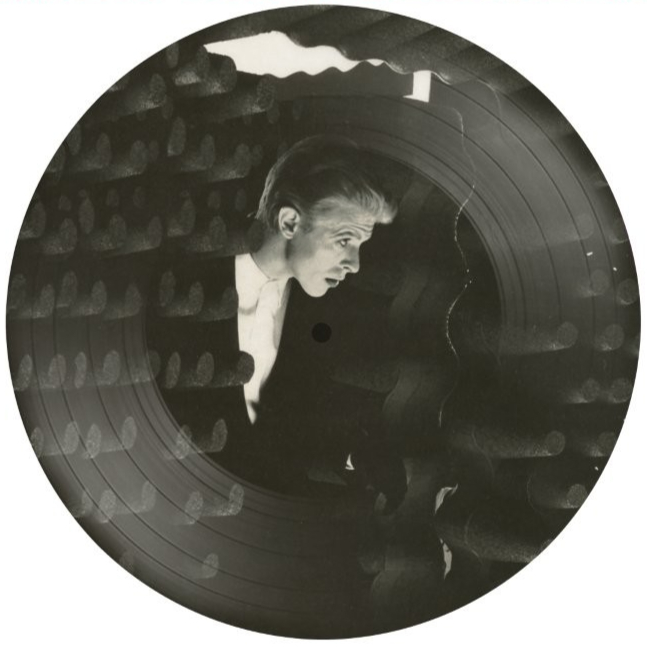
- Mar 13, 1976
- 3 min read
Writer: Chris Charlesworth, Melody Maker
Date: March 13, 1976
Length: 6–7 min read
A snapshot of David Bowie in Detroit at the height of his Thin White Duke era — reflective, exhausted, sharp‑witted, and brutally honest about fame, reinvention, and the toll of the previous years.
A rock star in transition, shedding old skins while confronting the cost of constant transformation.
In early 1976, Melody Maker caught up with David Bowie on the American leg of his tour. What emerged was a portrait of an artist both self‑aware and self‑critical — a man who had survived the chaos of Diamond Dogs, reshaped himself into the Thin White Duke, and was now navigating the uneasy balance between artistic ambition and personal instability.
📰 Key Highlights
• Bowie speaks candidly about the Diamond Dogs era and its emotional fallout
• The Thin White Duke persona emerges as both armor and burden
• Reflections on fame, reinvention, and the pressures of constant change
• Commentary on his American period and its influence on his sound
• A rare mid‑70s interview capturing Bowie between collapse and rebirth
📰 Overview
By March 1976, David Bowie was deep into one of the most volatile and creatively fertile periods of his life. Fresh off the release of Station to Station, he was touring America with a stripped‑down, elegant stage show that contrasted sharply with the theatrical excess of Diamond Dogs. The Melody Maker feature captures Bowie in Detroit, speaking with unusual frankness about the emotional wreckage of the previous years and the strange clarity that followed.
The article situates Bowie as both survivor and innovator — a man who had pushed himself to the brink, only to re-emerge with a new persona, a new sound, and a renewed sense of purpose. It also highlights the cultural impact of his constant reinvention, noting that few artists besides Elton John or Roxy Music had shifted the landscape of rock so dramatically in such a short time.
This was Bowie on the cusp of another transformation: the Berlin era was only months away.
📰 Source Details
Publication / Venue: Melody Maker
Date: March 13, 1976
Format: Two‑page feature / Interview
Provenance Notes: Based on the original printed article and accompanying photographs.
📰 The Story
Chris Charlesworth’s Detroit interview finds Bowie in a reflective, almost confessional mood. He admits that the Diamond Dogs tour left him emotionally shattered — a period he describes as chaotic, disorienting, and personally destructive. The Thin White Duke persona, though elegant and controlled onstage, was born from that instability.
Bowie discusses the strange duality of his American years: the creative highs (three major albums recorded in the U.S.) and the personal lows (exhaustion, isolation, and the pressures of fame). He acknowledges that he is touring partly for financial reasons, but also because performing offers a sense of structure he desperately needs.
The article paints Bowie as a man caught between personas — the glam icon behind him, the Berlin innovator ahead — using the stage as a temporary refuge while he recalibrates his life and art.


• Page 1: A large black‑and‑white photograph of Bowie performing onstage in America, microphone in hand, lit dramatically from above.
• Page 2: A portrait of Bowie holding a small object (possibly a bottle), wearing a casual shirt — a still from The Man Who Fell to Earth.
David Bowie onstage in America during the 1976 tour, as featured in Melody Maker, March 13, 1976.
📰 Related Material
• Station to Station (1976) – Album context
• The Man Who Fell to Earth – Film era profile
• Melody Maker Bowie coverage (1972–1978)
📰 Closing Notes
This two‑page Melody Maker feature stands as one of the clearest windows into Bowie’s mid‑70s psyche — a moment where the mask slipped just enough to reveal the exhaustion, brilliance, and restless reinvention that defined the Thin White Duke era. It captures Bowie in motion, between identities, already reaching toward the Berlin horizon.
📰 Sources
• Melody Maker, March 13, 1976
• Contemporary Bowie interviews (contextual reference)
• Archival Bowie scholarship (minimal verification)
📝 Copyright Notice
All magazine scans, photographs, and original text excerpts referenced in this entry remain the property of their respective copyright holders. This Chronicle entry is a transformative, non‑commercial archival summary created for historical documentation and educational reference. No ownership of the original material is claimed or implied.



Comments