


📰 Alice Cooper: The Triumphant Return – 1 Page: Mar. 1979
- Alice Cooper(solo)
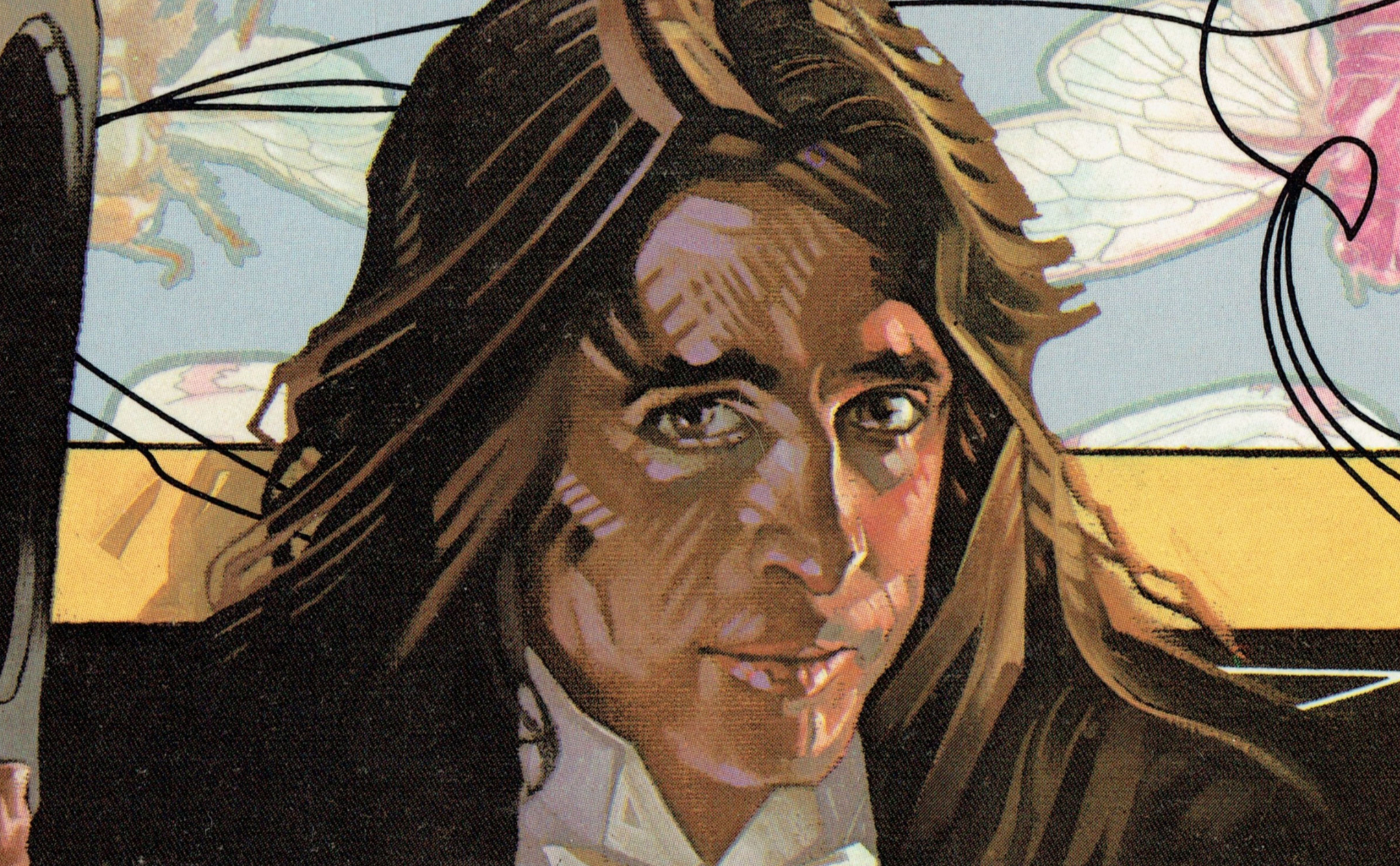
- Mar 19, 1979
- 3 min read
Writer: Toby Goldstein / Grooves Magazine
Date: March 20, 1979 (Spring Issue)
Length: ~7 min read
In an expansive 18‑page Spring Issue feature, Grooves Magazine chronicles Alice Cooper’s rebirth — a theatrical, cultural, and personal resurgence that reasserted his place as rock’s most provocative showman.
The comeback of a legend who never stopped evolving.
Toby Goldstein’s feature reframes Alice Cooper not as a shock‑rock caricature, but as a fully realized artist reclaiming his narrative. Through biography, myth, and reinvention, the piece captures Cooper at a moment of transformation — returning to the spotlight with renewed clarity, theatrical ambition, and a deeper understanding of his own legacy.
📰 Key Highlights
• 18‑page Spring Issue feature documenting Cooper’s 1979 resurgence
• Detailed biography tracing Vincent Furnier’s evolution into Alice Cooper
• Early band history: The Earwigs, The Spiders, Nazz
• Emphasis on Cooper’s fusion of theatre and rock
• Exploration of his Detroit roots and Phoenix upbringing
• Rare behind‑the‑scenes band photography included in the spread
📰 Overview
By 1979, Alice Cooper had already reshaped the landscape of American rock. His blend of vaudeville, horror, satire, and glam had influenced an entire generation of performers, from punk to metal. Yet Grooves Magazine chose this moment — post‑mid‑70s turbulence, post‑solo reinvention — to publish an 18‑page retrospective and forward‑looking profile.
The feature situates Cooper’s return within a broader cultural shift: rock was becoming more theatrical again, and the shock‑rock pioneer was reclaiming the stage he helped build. Goldstein’s writing balances Cooper’s mythic persona with the grounded story of Vincent Furnier, the Detroit‑born preacher’s son who turned rebellion into art.
The article also highlights the original band’s camaraderie, their early Rolling Stones covers, and the formative years that shaped Cooper’s stagecraft.
📰 Source Details
Publication / Venue: Grooves Magazine
Date: March 20, 1979 (Spring Issue)
Format: 18‑Page Feature / Artist Profile
Provenance Notes: Sourced from original print scan; article by Toby Goldstein; includes period photography and band imagery.
📰 The Story
Goldstein opens with Cooper’s unlikely origins: born Vincent Furnier in Detroit, raised in Phoenix, and shaped by a preacher father who never imagined his son would become America’s most notorious rock provocateur. The feature traces his early fascination with performance — first through sports, then through music — and the formation of his earliest bands with Glen Buxton, Michael Bruce, Dennis Dunaway, and Neal Smith.
The article emphasizes Cooper’s dual identity: the athlete who excelled in track and the performer who embraced theatricality long before it became mainstream. Goldstein recounts the band’s early days covering Rolling Stones songs in beat caps and yellow corduroy jackets, a far cry from the gothic spectacle Cooper would later pioneer.
As the feature progresses, it frames 1979 as a moment of renewal. Cooper’s theatrical instincts were sharpening again, his persona evolving, and his influence expanding. The piece positions him not as a relic of early‑70s shock rock, but as a visionary artist entering a new creative phase.








📰 Visual Archive
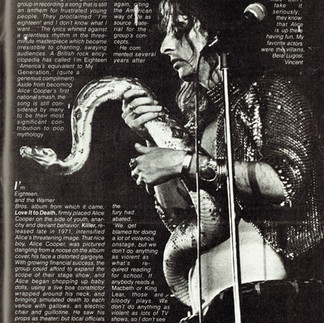
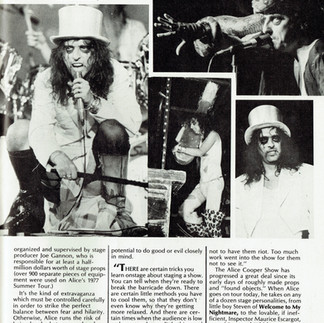
A full‑page Grooves Magazine layout featuring a dramatic portrait of Alice Cooper in top hat and stage makeup, paired with a smaller inset photograph of the original band surrounded by soda cans and backstage clutter — a candid glimpse into their early camaraderie.
Grooves Magazine Spring Issue — “The Alice Cooper Diary,” March 20, 1979.
📰 Related Material
• Alice Cooper – From the Inside (1978)
• The Alice Cooper Group – Early Years Retrospective
• Shock Rock & Theatrical Rock Timeline (1969–1980)
📰 Closing Notes
Grooves Magazine’s 1979 feature stands as one of the most comprehensive portraits of Alice Cooper at a pivotal moment in his career. It captures not only the spectacle but the humanity behind the makeup — a reminder that Cooper’s greatest trick was transforming personal reinvention into cultural revolution.
📰 Sources
• Grooves Magazine, Spring Issue, March 20, 1979
• Toby Goldstein archival writings
• Contemporary Cooper interviews and band histories
📝 Copyright Notice
All magazine scans, photographs, and original text excerpts referenced in this entry remain the property of their respective copyright holders. This Chronicle entry is a transformative, non‑commercial archival summary created for historical documentation and educational reference. No ownership of the original material is claimed or implied.


Comments