


📰 Alice Is Back - Cover Plus: Feb.1979
- Alice Cooper(solo)
- Feb 18, 1979
- 3 min read
Updated: Feb 18
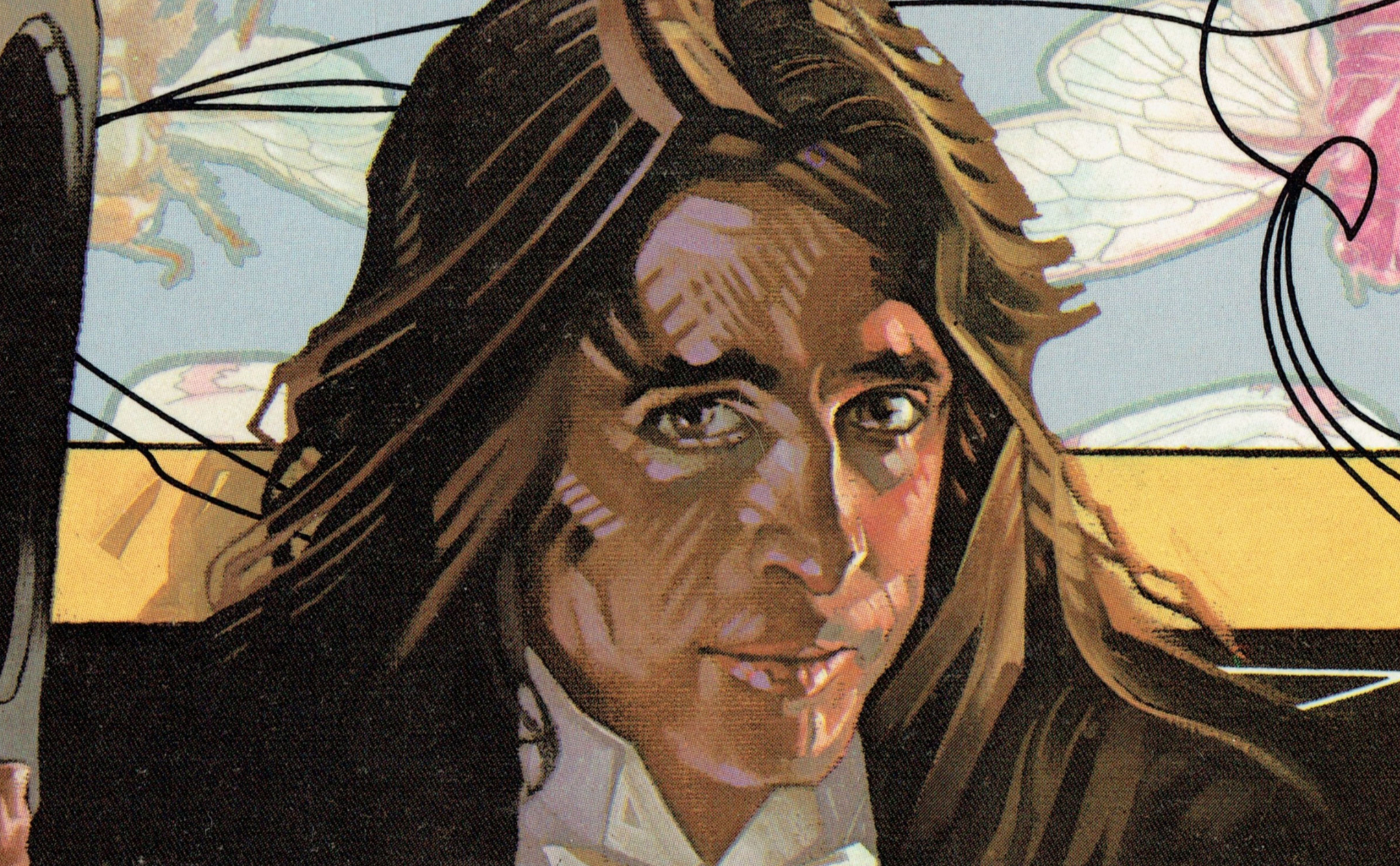
A three‑page Joepie Magazine feature chronicling Alice Cooper’s return from alcoholism, his rebirth through From the Inside, and his evolving identity as rock’s most misunderstood showman.
📰 Key Highlights
• Published in Joepie Magazine, February 18, 1979 (Issue 257)
• Full‑cover headline: “ALICE COOPER TERUG UIT DE HEL” (“Alice Cooper Back From Hell”)
• Three‑page feature including:
– Alice’s recovery from alcoholism
– His return to chart success with “How You Gonna See Me Now”
– The From the Inside album and its psychiatric‑hospital origins
– His collaboration with Bernie Taupin
– A discussion of stage theatrics, horror imagery, and public misconceptions
• Includes rare photo spreads and behind‑the‑scenes commentary
📰 Overview
Joepie’s February 1979 issue captures Alice Cooper at a pivotal moment: newly sober, creatively revitalised, and publicly redefining himself after years of tabloid mythology. The feature blends confession, humour, and theatrical self‑awareness, presenting Alice as both survivor and showman.
📰 Source Details
Publication / Venue: Joepie Magazine (Belgium)
Date: February 18, 1979
Issue: No. 257
Format: Cover + three‑page feature
Provenance Notes: European teen‑pop weekly known for music‑focused profiles and photo spreads.
📰 The Story
⭐ 1. “Back From Hell” – The Cover Narrative
Joepie frames Alice’s return as a resurrection:
“ALICE COOPER TERUG UIT DE HEL”
The headline positions him as a figure emerging from chaos — a dramatic but fitting metaphor for his recovery from severe alcoholism.
The cover promises:
• Alice Cooper
• Suzi Quatro
• The Osmonds
• Jackie Smith
• Jimmy Frey
— placing Alice at the centre of late‑’70s pop‑rock culture.
⭐ 2. The Confessional Feature – Addiction, Collapse, Recovery
The main article is unusually intimate for a teen magazine. Alice speaks openly about:
• spending $500 a week on alcohol
• drinking from morning to blackout
• losing creativity, relationships, and control
• entering a New York psychiatric hospital
• rebuilding his life and career
He describes alcoholism as a “beautiful red veil” — seductive, numbing, and destructive.
The feature emphasises that Alice is now:
• sober
• healthy
• reflective
• creatively reborn
His hit “How You Gonna See Me Now” and the From the Inside album are presented as proof of this new chapter.
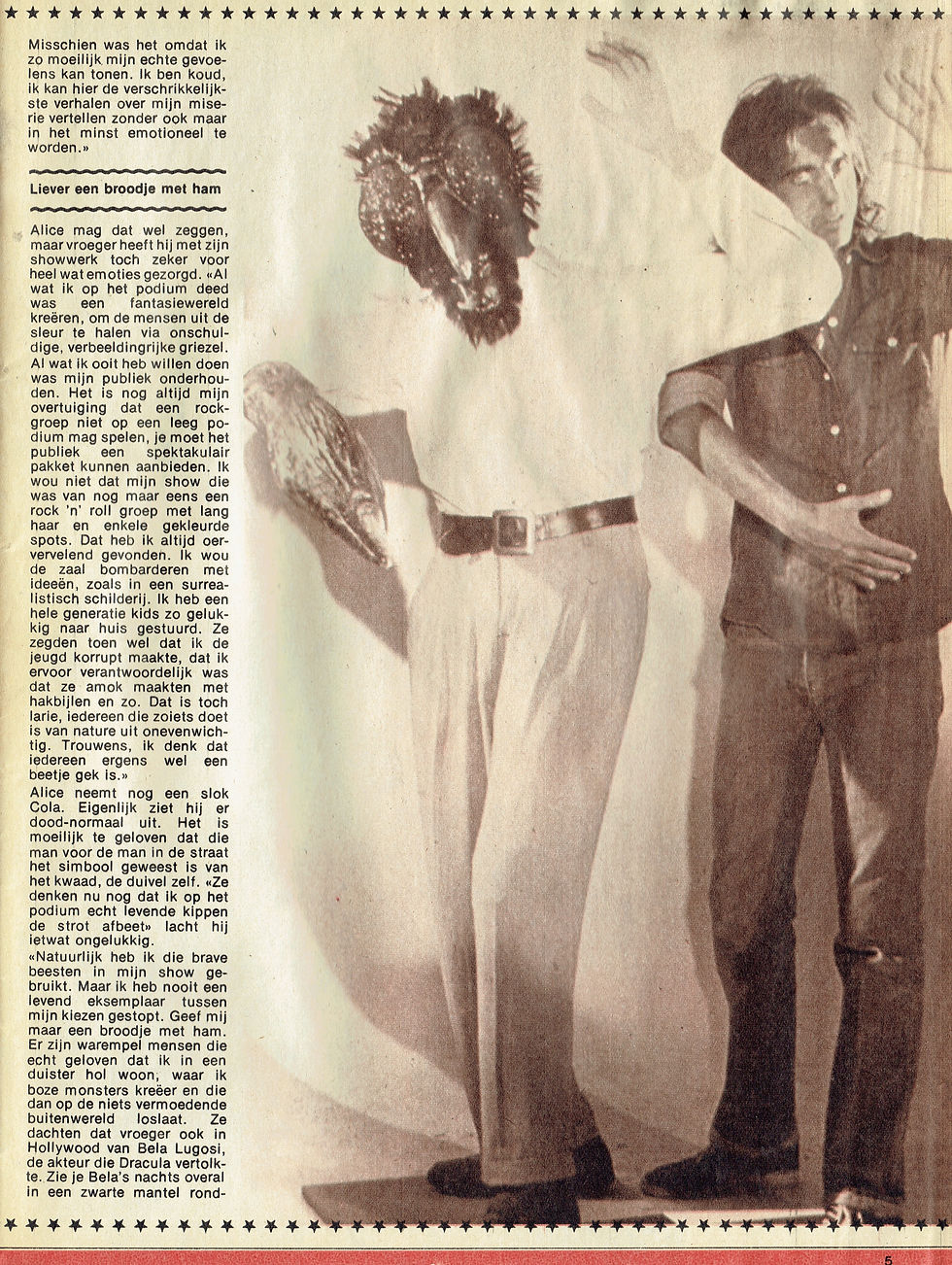
⭐ 3. The Theatrical Spread – The Myth of Alice Cooper
The second page explores Alice’s stage persona:
• the horror imagery
• the shock theatrics
• the infamous “chicken incident”
• the public belief that he was “the devil himself”
Alice dismantles the myths with humour:
“They still think I bite the throats off live chickens on stage.”
He insists the stage character is his Mr. Hyde, not his true self — a fantasy designed to jolt audiences out of their routines.
He jokes:
“Just give me a ham sandwich.”
The photo of Alice posing beside a grotesque fly‑creature costume underscores the contrast between theatrical horror and the gentle, articulate man behind it.
⭐ 4. The Bernie Taupin Page – Creative Rebirth
The final page focuses on Alice’s collaboration with Bernie Taupin, Elton John’s lyricist.
Key points:
• They met on a TV talk show years earlier
• Taupin helped shape the narrative of From the Inside
• Their writing sessions were long, open, and emotionally honest
• The album reflects Alice’s real experiences in psychiatric treatment
• A film adaptation was discussed — “Bambi meets Dracula”
This page positions Alice not as a shock‑rock caricature, but as a serious conceptual artist.
📰 Visual Archive

“Alice Is Back” feature, Joepie Magazine, February 18, 1979.
📰 Related Material
Explore the tags below for connected posts and themes.
📰 Closing Notes
This Joepie feature captures Alice Cooper at a rare moment of vulnerability and reinvention — a man reclaiming his life while redefining his art, bridging the gap between shock‑rock legend and human being.
📝 Copyright Notice
All magazine scans, photographs, and original text excerpts referenced in this entry remain the property of their respective copyright holders. This Chronicle entry is a transformative, non‑commercial archival summary created for historical documentation and educational reference. No ownership of the original material is claimed or implied.




Comments