


📰 The Idiot – Album Advert: Apr. 1977
- Iggy Pop
- Apr 9, 1977
- 3 min read
Updated: Apr 9
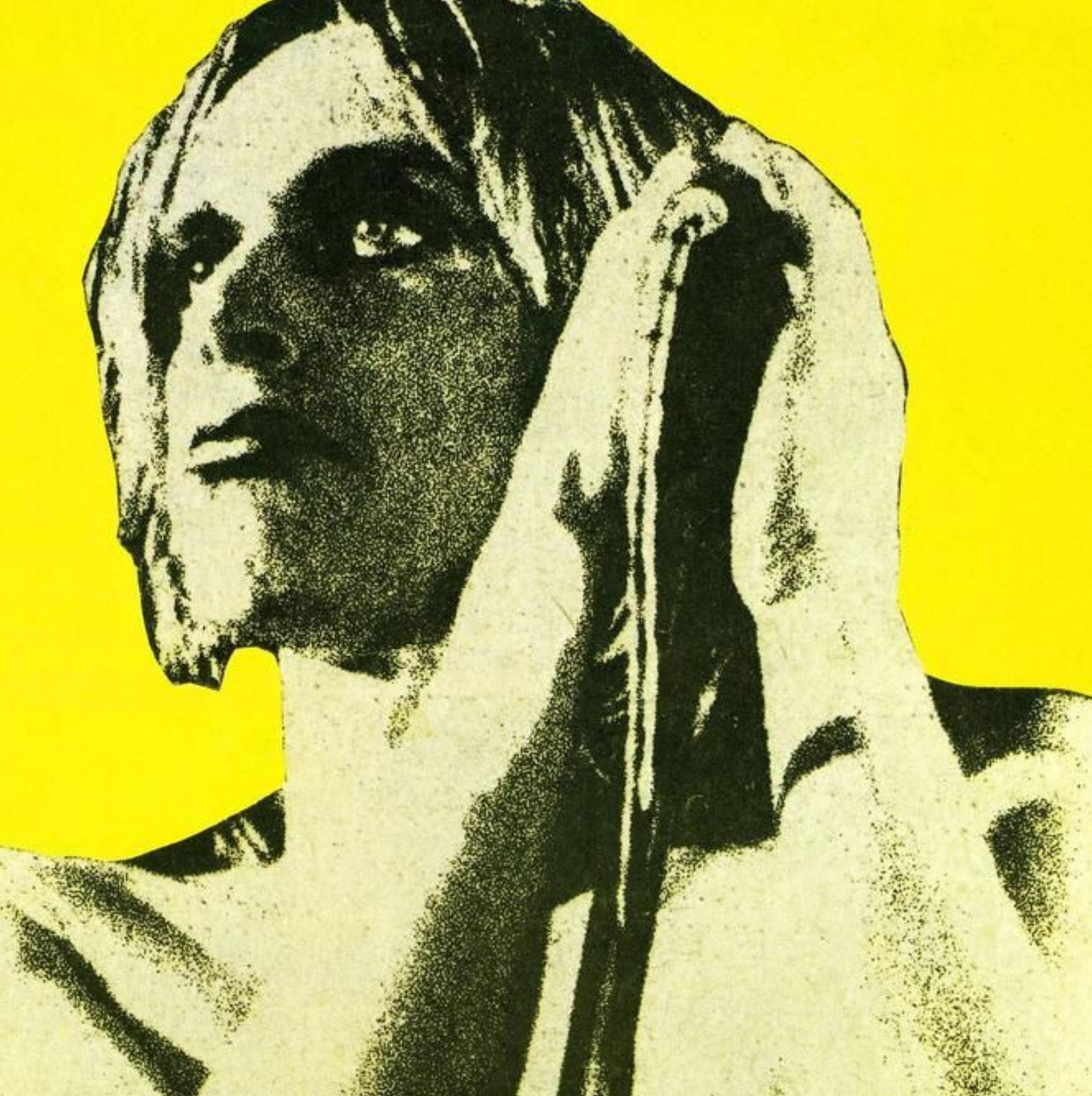
A stark, monochrome advertisement cuts through the pages of Melody Maker, announcing Iggy Pop’s rebirth with a cold, modernist edge.
A single pose, repeated twice, becomes a manifesto of restraint and reinvention.
A moment where punk’s chaos gives way to Berlin’s shadowed precision.
The ad captures the exact point where Iggy Pop steps into a new artistic identity, shaped in collaboration with David Bowie.
🗞 Melody Maker
📅 April 9, 1977
⏱ Length: 1–2 min read
📰 Key Highlights
• Full‑page RCA advertisement for The Idiot
• Credits Iggy Pop and David Bowie as writers/producers
• Features album artwork and a stark monochrome portrait
• Promotes the album as a charting success
• Reflects the emerging Berlin‑era aesthetic
📰 Overview
In early 1977, Iggy Pop was undergoing a dramatic transformation. After years of volatility with The Stooges, he re‑emerged with The Idiot, a record shaped by the Berlin sessions he shared with David Bowie. Melody Maker’s advertisement reflects this shift with striking simplicity: monochrome, minimal, and industrial, mirroring the album’s cold electronic textures and introspective tone.
The placement of this advert in Melody Maker — one of the UK’s most influential music papers — signalled RCA’s intention to reposition Iggy Pop not as a punk survivor, but as a serious avant‑garde artist. The stark design and minimal copy echo the album’s aesthetic: detached, modernist, and quietly confrontational.
📰 Source Details
Publication / Venue: Melody Maker
Date: April 9, 1977
Format: Advertisement (Album Promotion)
Provenance Notes: Verified via page header, typographic layout, and RCA catalogue number PL12275 consistent with first‑press promotional materials.
📰 The Story
By spring 1977, Iggy Pop was stepping into a new phase of his career. After the collapse of The Stooges and a period of instability, he entered the studio with David Bowie to craft The Idiot, an album that would redefine his artistic identity. Drawing from the same creative well that produced Bowie’s Low, the record fused cold synths, jagged guitars, and stark rhythms — a sound far removed from the feral proto‑punk of his past.
The Melody Maker advertisement captures this transformation with deliberate restraint. Rather than relying on sensational imagery, the ad presents Iggy as a figure of modernist control. The repeated pose — first on the album cover, then in the larger photograph — reinforces the album’s themes of alienation, tension, and self‑reconstruction.
For UK readers encountering this ad in 1977, it signalled that Iggy Pop was no longer merely the wild man of American rock. He was now aligned with Bowie’s experimental Berlin period, stepping into a new role as a boundary‑pushing artist whose work would influence post‑punk, industrial, and alternative music for decades.
📰 Visual Archive

A monochrome full‑page advertisement featuring:
• The album cover of The Idiot with Iggy Pop’s angular, mannequin‑like pose
• A larger photograph of Iggy in the same stance
• Bold headline text announcing the chart success
• RCA branding and catalogue details
Caption: RCA promotional advertisement for Iggy Pop’s The Idiot, Melody Maker, April 9, 1977.
📰 Related Material
• Bowie – Low (1977) UK promotional coverage
• Iggy Pop – Lust for Life (1977) early press adverts
• The Stooges – post‑breakup UK press mentions (1975–1977)
📰 Closing Notes
This Melody Maker advertisement stands as a snapshot of Iggy Pop’s rebirth — a moment where he stepped out of the wreckage of his past and into a new, disciplined, avant‑garde future. Its stark design and Bowie‑linked pedigree mark it as a key artifact of the Berlin era, capturing the precise moment Iggy Pop became something entirely new.
📝 Copyright Notice
All magazine scans, photographs, and original text excerpts referenced in this entry remain the property of their
respective copyright holders. This Chronicle entry is a transformative, non‑commercial archival summary created for historical documentation and educational reference. No ownership of the original material is claimed or implied.


Comments